
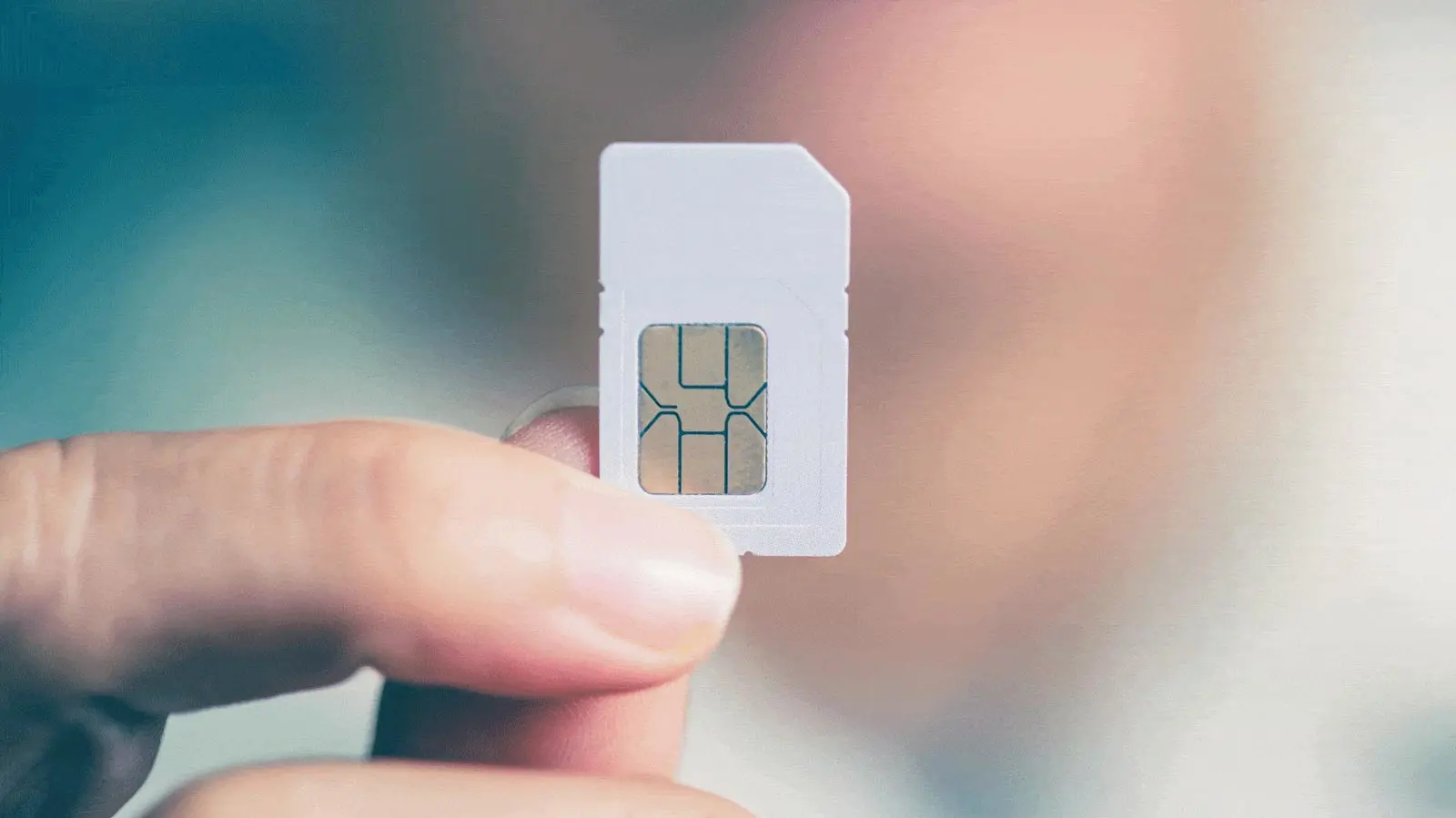
As of mid-December 2025, Iran continues to grapple with severe internet restrictions, marking one of the most repressive digital environments globally. Recent reports highlight widespread slowdowns, throttling, and partial outages affecting millions, compounded by tariff hikes and a controversial “white SIM card” system that grants uncensored access to regime loyalists. These measures reflect a long-standing pattern of using internet controls to suppress dissent, amid economic pressures and sporadic protests.
Historical Context: A Timeline of Internet Shutdowns and Censorship
Iran’s internet censorship dates back to the early 2000s, but it intensified after the 2009 Green Movement protests, when authorities began systematically blocking social media and news sites. The regime has developed sophisticated tools, including deep packet inspection (DPI) and a centralized filtering system, to monitor and restrict traffic.
Key historical events include:
- November 2019 Blackout: During nationwide fuel price protests, Iran imposed a near-total internet shutdown lasting nearly a week. Connectivity dropped to 4-5% of normal levels, described by NetBlocks as the “most severe disconnection tracked in any country” for its technical complexity. This blackout coincided with a deadly crackdown, hiding the killing of over 300 protesters, according to Amnesty International.
- 2022 Mahsa Amini Protests: Following the death of Mahsa Amini in custody, protests erupted nationwide. Authorities imposed repeated disruptions, including nightly mobile curfews and blocks on platforms like Instagram and WhatsApp. From September to October 2022, multiple shutdowns isolated users, contributing to economic losses estimated at billions.
- June 2025 Iran-Israel Conflict: Amid a 12-day war, Iran enacted a “stealth blackout” starting June 17-18, reducing connectivity by 97%. Unlike prior crude disconnections, this preserved outward routing while throttling domestic access via DPI and protocol whitelisting. NetBlocks and Cloudflare confirmed near-total isolation, justified as protection against cyberattacks but criticized as repression.
These shutdowns follow a pattern: imposed during unrest or crises to prevent coordination and information flow. Globally, Access Now tracked over 244 shutdowns in 2025 alone, with Iran among the most frequent offenders.
Statistics on Censorship and Access
Iran ranks among the world’s worst for internet freedom:
- Freedom House Freedom on the Net 2025: Iran scored 13/100 (Not Free), improving slightly from prior years due to fewer severe disruptions in the reporting period (June 2024-May 2025). However, a major shutdown occurred just after, in June 2025. Iran trails only Myanmar and China in repressiveness.
- Starlink Usage: By 2025, over 100,000 illegal Starlink terminals operated in Iran, bypassing restrictions—though the regime banned them in June 2025, with penalties up to execution.
- Economic Impact: Prolonged restrictions, including 17 months of bans post-2022 protests, cost over $1.6 billion. Shutdowns disrupt banking, education, and commerce.
- User Penetration: Despite ~90 million population, pervasive filtering pushes users to VPNs (increasingly blocked) or domestic platforms under heavy surveillance.
Recent Developments in December 2025
This week (as of December 14, 2025), users report “unprecedented” slowdowns and throttling outside major crises. No full blackout like June 2025, but disruptions affect daily life:
- Tariff Hikes: In early December, mobile internet prices rose up to 20-34%, while speeds were reduced. Fixed-line tariffs also increased, exacerbating access for low-income users amid 50% inflation.
- White SIM Card Scandal: A tiered system provides uncensored, high-speed access to ~16,000 loyalists (officials, journalists, IRGC). Exposed via X’s location features in November-December 2025, it revealed “digital apartheid.” The regime ordered deactivation for some, but the system persists, fueling resentment.
- Ongoing Controls: Platforms remain blocked; VPNs targeted. Post-war throttling and GPS jamming continue, with fears of greater surveillance.
These align with efforts to force users onto the National Information Network (NIN), a censored intranet.
Implications and Broader Pattern
Iran’s controls—combining shutdowns, throttling, and privilege—violate rights to information and assembly. They hinder economic growth, education, and emergency response while enabling propaganda. As satellite options like Starlink grow, the regime escalates bans.
In a world of rising digital authoritarianism, Iran’s model—sophisticated, stealthy, and unequal—sets a dangerous precedent. Citizens increasingly rely on circumvention tools, but at great risk and cost.
For real-time updates, monitor NetBlocks or independent Iranian sources (where accessible). The struggle for open internet in Iran underscores broader fights for digital rights worldwide.