
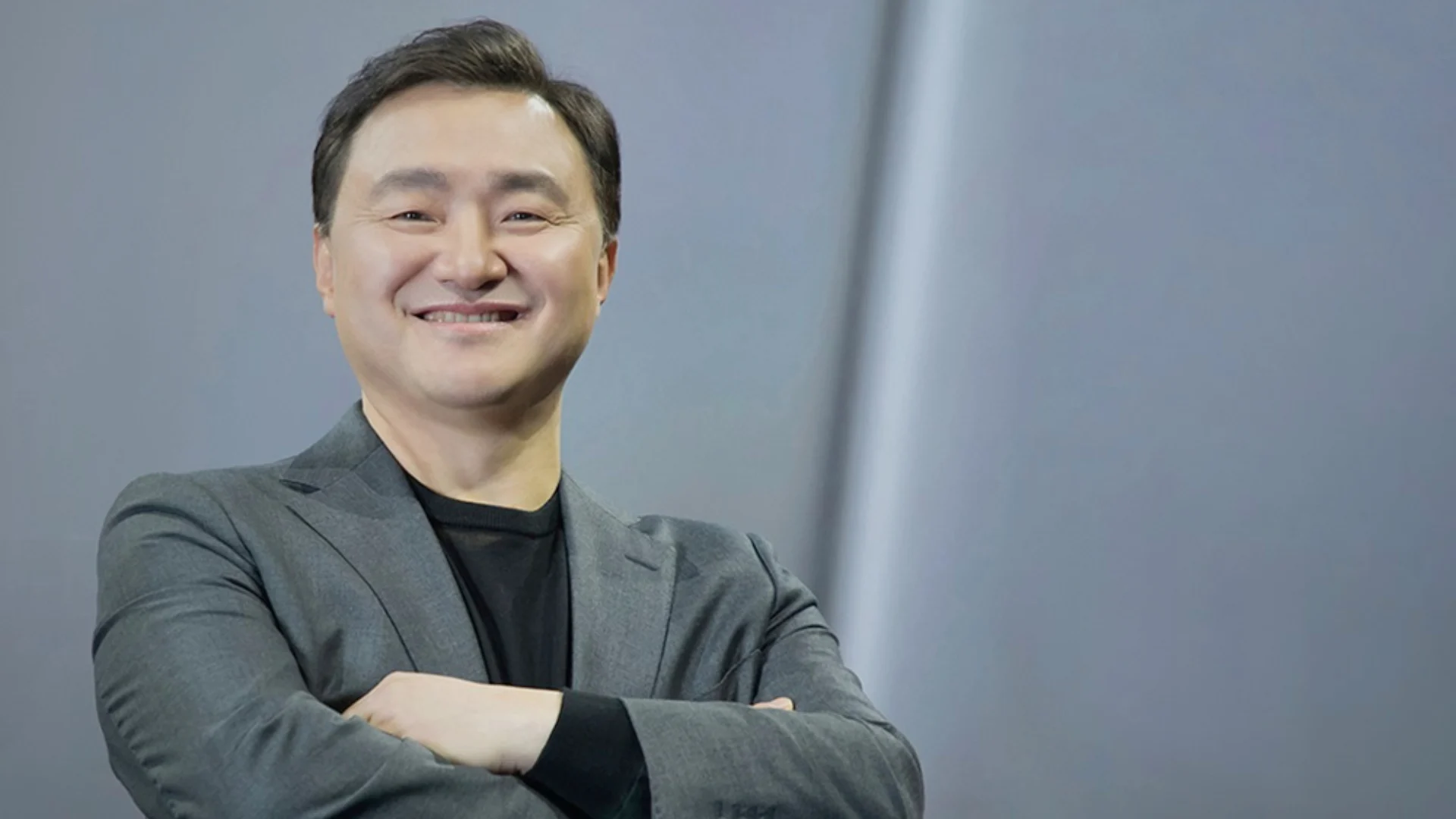
TM Roh, co-CEO of Samsung Electronics and head of its mobile division, has issued a stark warning about the ongoing global memory chip shortage.
In an exclusive interview with Reuters today, Roh described the situation as “unprecedented” and “severe”, stating that “no company is immune to its impact.” He emphasized that surging memory prices will “inevitably” pass through to consumers, driving up costs for smartphones, TVs, home appliances, and other devices.
The AI Boom Fueling the Crisis
The root cause traces directly to explosive demand for artificial intelligence technologies. High-bandwidth memory (HBM) — specialized chips critical for training and running large AI models — has seen orders skyrocket from tech giants building massive data centers.
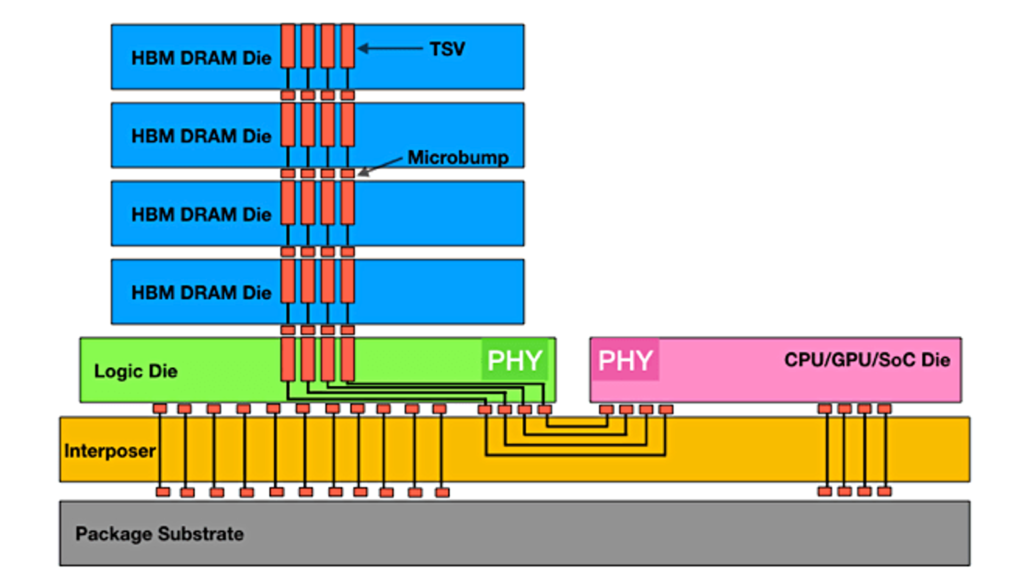
A high-bandwidth memory (HBM) stack, like the one shown above, enables the extreme performance needed for AI accelerators.
Major suppliers including Samsung, SK Hynix, and Micron have reallocated production capacity to prioritize HBM over conventional memory types such as DDR5 DRAM and NAND flash, which are essential for consumer electronics.
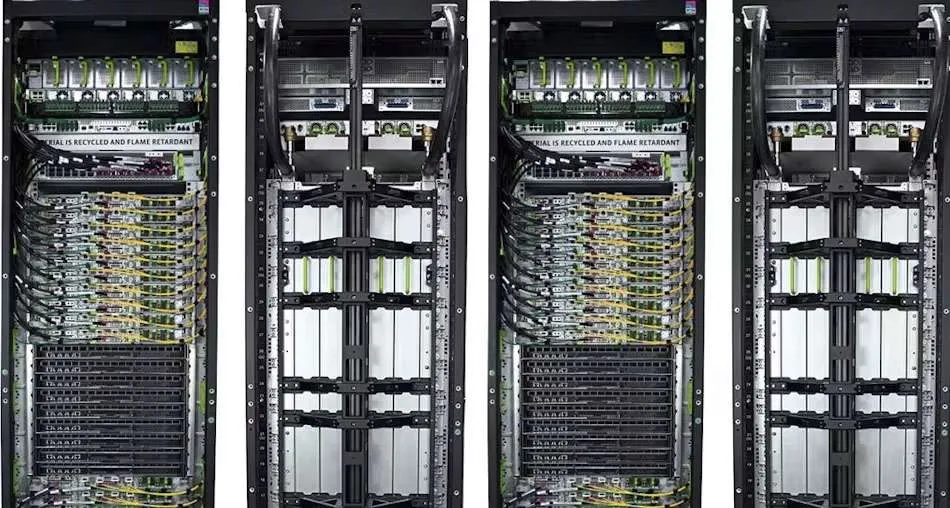
AI-driven data centers packed with server racks are consuming vast quantities of advanced memory chips.
This shift has created acute shortages in the consumer memory market. Reports indicate DRAM prices have already surged dramatically — with some contract prices rising up to 60% in late 2025 — and analysts predict the tightness will extend well into 2026 or beyond.
Higher Costs Coming to Your Next Phone
For consumers, the most visible impact will likely appear in smartphone pricing. Industry forecasts suggest the global smartphone market could contract in 2026 as manufacturers pass on higher component costs.
Devices like Samsung’s Galaxy smartphones may see noticeable price increases as a result.
Standard memory modules used in phones and other gadgets are in particularly short supply.
DDR5 DRAM modules — the type affected by production shifts toward AI-focused chips.
A Double-Edged Sword for Samsung
Samsung finds itself in a unique position: its semiconductor division, one of the world’s largest memory producers, is enjoying record profits from high-margin HBM sales. However, these gains come at the expense of its mobile and consumer electronics businesses, where rising memory costs are squeezing margins.
Despite the challenges, Roh remains optimistic about Samsung’s AI strategy. The company plans to expand its Galaxy AI features — powered by Google Gemini — to reach 800 million devices in 2026, doubling current adoption.
The memory shortage underscores a broader industry reality: the AI revolution is reshaping supply chains in ways that will be felt by everyday consumers for years to come. While innovation accelerates in data centers, buyers of smartphones and laptops may need to prepare for a more expensive 2026.