
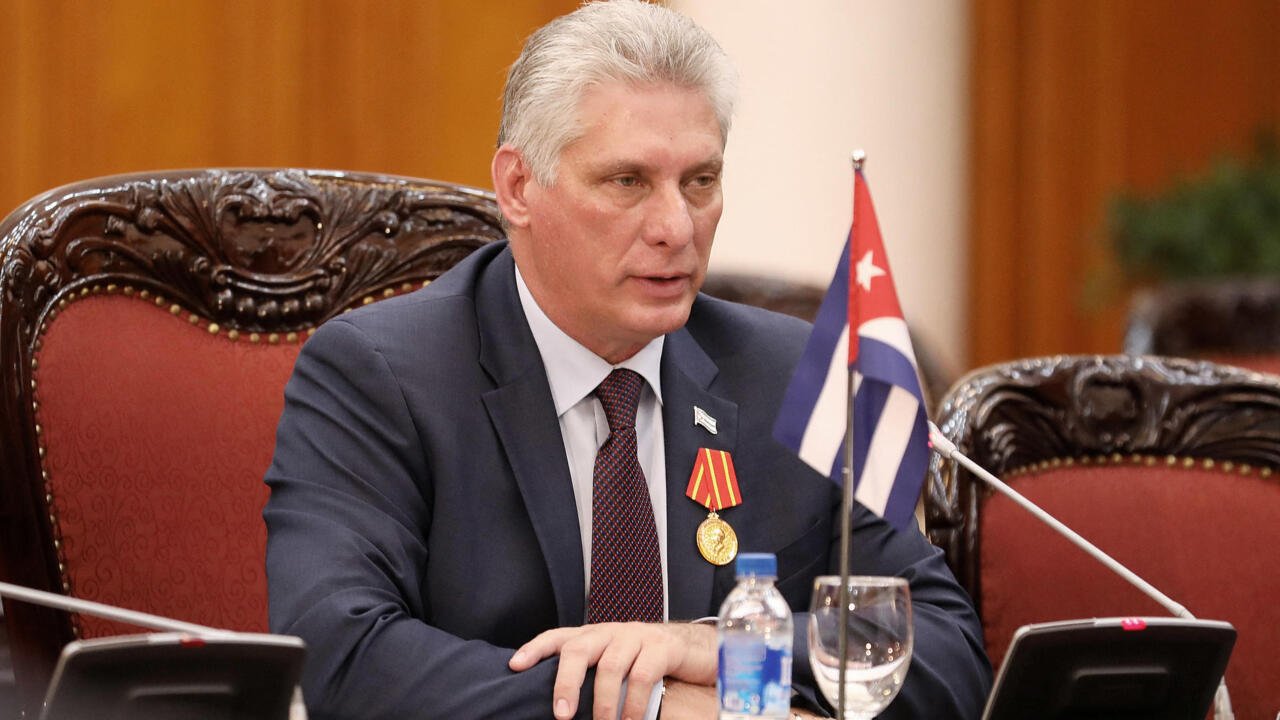
Cuban President Miguel Díaz-Canel declared on February 5, 2026, that his country remains open to dialogue with the United States on any topic, but only “without pressure or preconditions” and with full respect for Cuba’s sovereignty.
In a televised address, Díaz-Canel emphasized that negotiations must occur on equal terms, rejecting any interference in Cuba’s internal affairs. He denied reports of active talks, though some channels for message exchanges reportedly exist. This statement comes amid escalating U.S. pressure under President Donald Trump, who has tightened restrictions on Venezuelan oil exports—a vital lifeline for Cuba—following political shifts in Venezuela.
The measures have deepened Cuba’s already severe energy crisis. Fuel shortages have triggered widespread power outages lasting up to 20 hours daily in many areas, leaving streets dark and disrupting daily life.
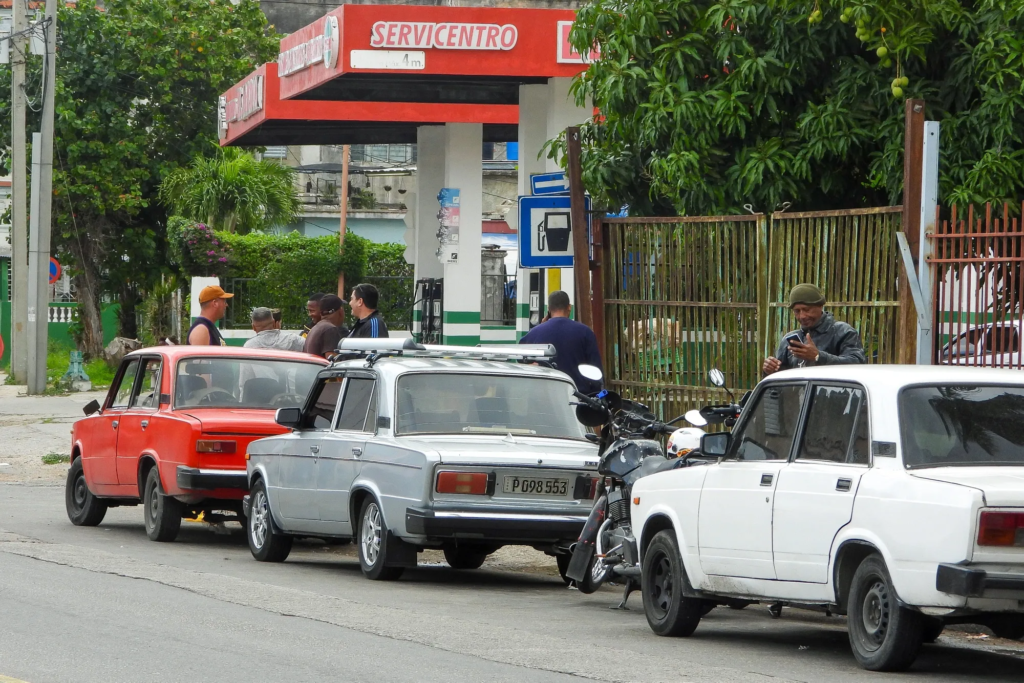
Long lines at gas stations have become commonplace, with drivers waiting hours or days for limited supplies. The government announced plans to introduce fuel rationing and other emergency measures in the coming days to mitigate the impact.
The White House has signaled openness to diplomacy, but Trump administration officials have described Cuba as economically vulnerable and continued threats of tariffs on nations assisting Havana. Analysts see Díaz-Canel’s remarks as a strategic olive branch, aimed at easing sanctions while maintaining a firm stance against concessions.
As blackouts persist and economic hardships mount, the prospect of renewed Cuba-US engagement hangs in the balance. Any talks would likely focus on easing the embargo, energy supplies, and broader bilateral relations—issues that have strained ties for decades.
Cuba’s leadership insists on mutual respect, while the U.S. pushes for changes in Havana’s policies. Whether this opens a path to negotiation remains uncertain, but the island’s worsening crisis underscores the urgency.