
The phrase “pay for slay” refers to a controversial Palestinian Authority (PA) policy of providing financial stipends to Palestinians imprisoned in Israel for security offenses, including terrorism, and to families of those killed or designated as “martyrs.” Critics use the term to argue that the payments incentivize violence against Israelis, while the PA and supporters describe them as essential social welfare for families impacted by occupation and detention.
The program traces back to the 1960s but formalized under the PA after the Oslo Accords. Through mechanisms like the Martyrs Fund and prisoner allowances, the PA distributed monthly payments scaled by factors such as sentence length—longer terms for deadlier attacks often meant higher stipends—and family needs. Amounts ranged from several hundred to over $3,000 monthly, far exceeding average Palestinian wages. At its peak, these expenditures consumed about 7% of the PA’s budget, totaling over $300 million annually in some years.
Critics, including Israel, the United States, and monitoring groups like Palestinian Media Watch (PMW), contend that the structure rewarded terrorism. Payments increased with the severity of crimes, effectively providing a financial incentive for attacks like stabbings, bombings, or shootings. High-profile cases included stipends to families of suicide bombers or convicted murderers. This led to international backlash: the U.S. passed the Taylor Force Act in 2018, conditioning aid on ending the policy, and Israel began deducting equivalent sums from tax revenues it collects on behalf of the PA.
From the Palestinian perspective, these payments are not rewards but a humanitarian necessity. Israel has detained over a million Palestinians since 1967, affecting a significant portion of families in the West Bank and Gaza. Detentions often involve administrative measures without trial, home demolitions, and economic hardship. The PA frames the stipends as social support akin to veterans’ benefits or welfare in other countries, compensating for losses under occupation. Public support among Palestinians remains overwhelmingly high, viewed as resistance to Israeli policies rather than incitement.
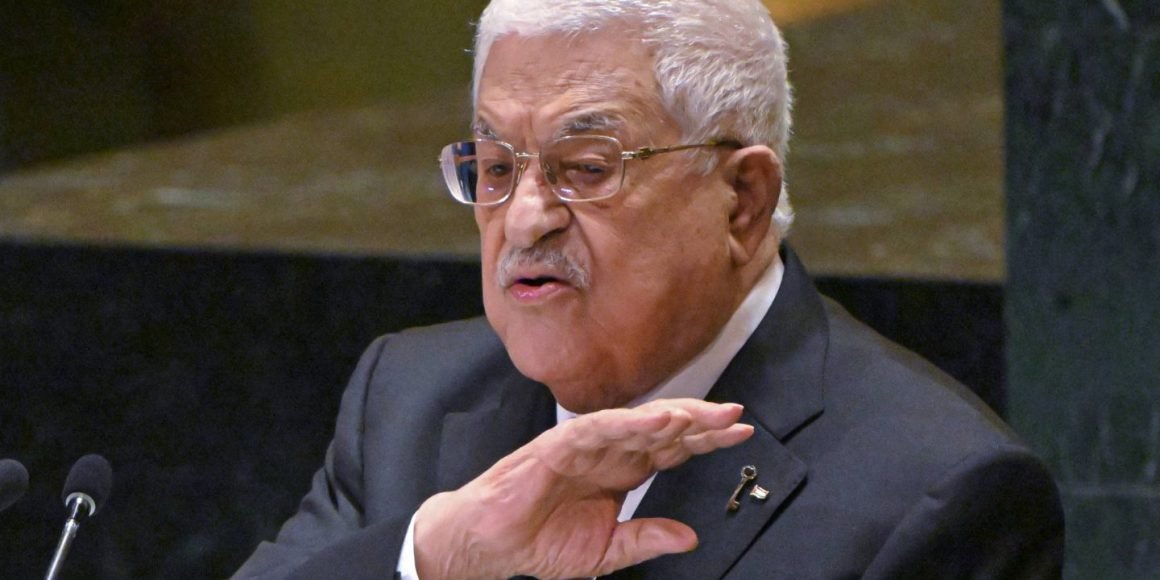
A major shift occurred in February 2025 when PA President Mahmoud Abbas issued a decree-law revoking the old system. The controversial laws governing prisoner and martyr payments were repealed, replaced by a needs-based social protection program. This reform aimed to delink assistance from imprisonment status or attack severity, focusing instead on poverty and family circumstances. Programs like Tamkeen were introduced to aid struggling households, including those previously reliant on the stipends. The move was welcomed by some international actors, including the European Commission and pro-peace groups, as a step toward accountability and potential resumption of unrestricted aid.
However, as of early 2026, the reform’s effectiveness remains hotly disputed. Critics allege the PA has simply restructured the payments to evade scrutiny. Reports from PMW and others claim stipends continue through disguised channels: integration into civil service salaries, security force payments, pensions for released prisoners, or other budgetary lines. Estimates suggest at least $200–315 million was disbursed in 2025 to similar recipients, including thousands of released prisoners now receiving “hidden” allowances. The U.S. State Department reportedly confirmed ongoing payments to Congress, and a Times Square billboard campaign in February 2026 highlighted demands to end the practice.
Israel continues withholding portions of PA tax revenues, exacerbating the authority’s fiscal crisis amid withheld funds and economic pressures. Palestinian sources report backlash over reduced support, with protests from affected families. A draft PA constitution circulated in early 2026 still references funding for martyrs’ families, fueling skepticism about genuine change.
The issue underscores deeper tensions in the Israeli-Palestinian conflict. For critics, ending “pay for slay” is non-negotiable for peace, as it allegedly perpetuates violence. Supporters see reforms as concessions under pressure, while core needs persist amid occupation. As of February 2026, while the official policy has changed, allegations of continuation keep the controversy alive, complicating international aid and diplomatic efforts.