
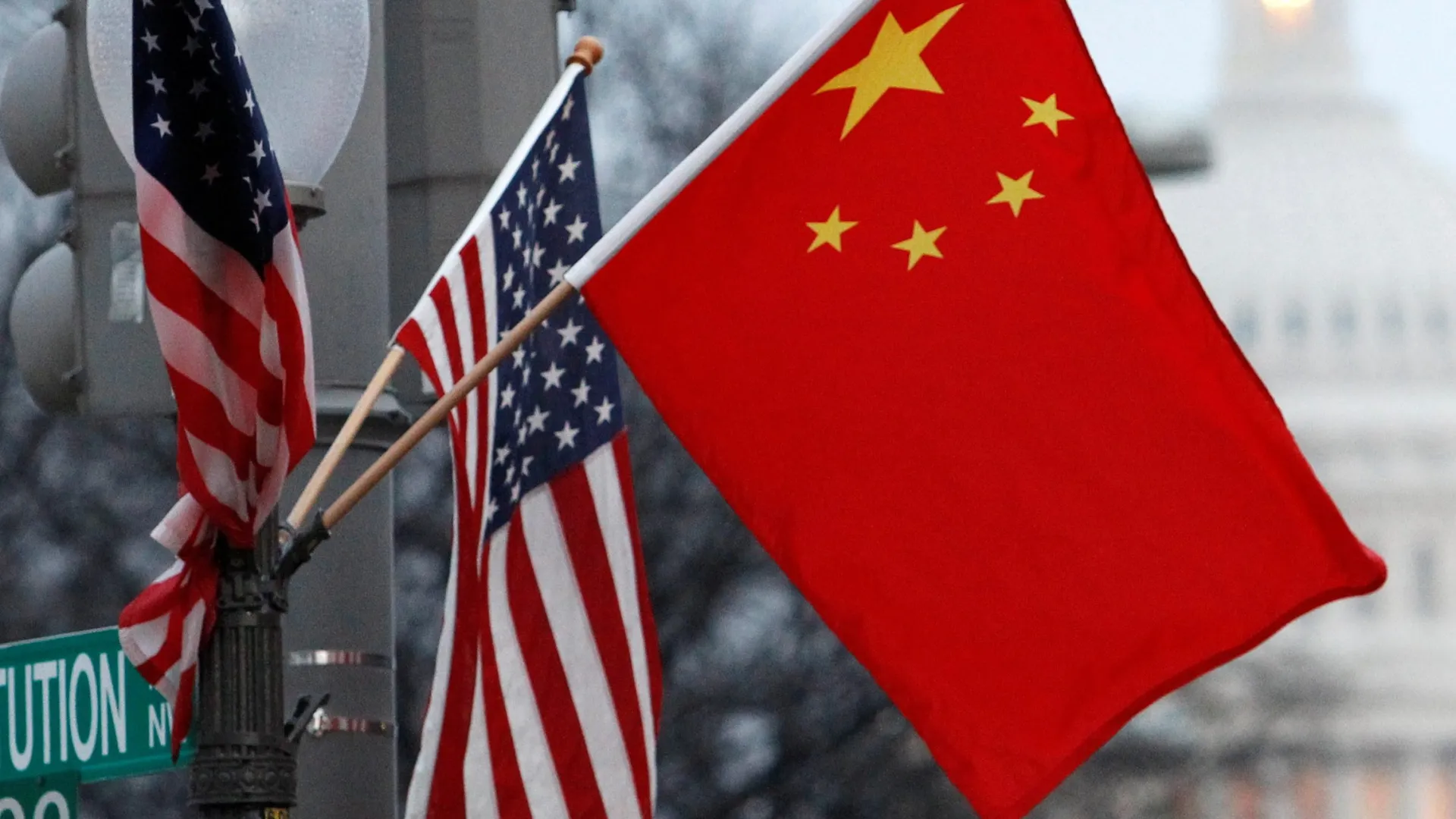
Beijing announced sanctions on Friday targeting 20 American defense-related companies and 10 senior executives in retaliation for the United States’ approval of a massive $11.1 billion arms sales package to Taiwan—the largest such deal in history. The measures, described by analysts as largely symbolic, underscore escalating tensions over the Taiwan Strait, a perennial flashpoint in U.S.-China relations.
The Trigger: A Historic U.S. Arms Package
The sanctions come in direct response to the Trump administration’s announcement on December 17-18, 2025, of arms sales valued at over $11 billion (some reports cite $11.15 billion). This package, if approved by Congress, would surpass previous records and includes advanced systems designed to bolster Taiwan’s defense capabilities amid increasing Chinese military pressure.
Key components of the deal include:
- 82 High Mobility Artillery Rocket Systems (HIMARS)
- 420 Army Tactical Missile Systems (ATACMS) – medium-range missiles similar to those supplied to Ukraine
- Howitzers
- Javelin anti-tank missiles
- Altius loitering munition drones
- Spare parts and support for existing equipment
Taiwan’s Defense Ministry expressed gratitude, stating the weapons would enhance “sufficient self-defense capabilities” and deter potential conflict. The U.S. State Department emphasized that the sales support American national security interests by helping Taiwan modernize its forces under the Taiwan Relations Act, which obligates Washington to provide defensive arms to the island.
China’s Response: Asset Freezes and Business Bans
China’s Foreign Ministry declared the U.S. actions a “serious violation” of the one-China principle and the three joint U.S.-China communiqués, accusing Washington of interfering in its internal affairs and undermining sovereignty.
The sanctions include:
- Freezing any movable or immovable assets the targeted companies and individuals hold in mainland China.
- Prohibiting Chinese organizations and individuals from conducting transactions, cooperation, or other activities with them.
- For the 10 executives: Additional bans on entry into mainland China, Hong Kong, and Macau.
Notable targets:
- Companies: Boeing’s St. Louis operations, Northrop Grumman Systems Corp., L3Harris Maritime Services, Vantor (formerly Maxar Intelligence), and others involved in the arms production or supply chain.
- Individuals: Anduril Industries founder Palmer Luckey, Vantor CEO Dan Smoot, and eight other senior executives from the sanctioned firms.
Anduril, known for AI-driven defense technologies and joint projects with Taiwan (such as the Barracuda 500 cruise missile), has been highlighted in the sanctions—likely due to its growing role in U.S.-Taiwan defense cooperation.
Symbolic Gesture with Limited Bite
Experts widely view the sanctions as symbolic. Most U.S. defense contractors have minimal exposure to the Chinese market due to longstanding export controls, security concerns, and prior restrictions. Many already operate with little to no business in China, rendering asset freezes and transaction bans ineffective in practice.
This fits a recurring pattern: China has imposed similar countermeasures in response to previous U.S. arms sales to Taiwan, targeting firms like Lockheed Martin, Raytheon, and General Dynamics in earlier rounds (e.g., in 2024 and early 2025).
Broader Context: The Taiwan Flashpoint
Taiwan, a democratically governed island of 23 million, is claimed by Beijing as its territory and must eventually unify—by force if necessary. Taipei rejects these claims and maintains its de facto independence.
The Taiwan Strait remains one of the world’s most dangerous potential conflict zones.
U.S. policy adheres to “strategic ambiguity”—acknowledging the one-China policy while committing to Taiwan’s defense. Recent years have seen heightened Chinese military activity, including near-daily incursions into Taiwan’s air defense zone.
The latest developments occur amid broader U.S.-China frictions over trade, technology, and global influence. While avoiding direct escalation, Beijing’s move signals firm opposition, urging the U.S. to halt “dangerous arming of Taiwan.”
As 2025 closes, this episode highlights the fragile balance in cross-strait relations, with analysts warning that miscalculations could spark broader conflict between the world’s two largest economies.