
As of January 1, 2026, China’s Ministry of Commerce (MOFCOM) has implemented a new policy requiring government licenses for all exports of silver, alongside tungsten and antimony. This state-trading management system, detailed in MOFCOM Announcement No. 68 of 2025 and effective through 2027, is officially aimed at protecting resources and the environment. However, it introduces significant restrictions by limiting licenses primarily to large, state-certified enterprises—those capable of producing at least 80 tons of silver annually and meeting high credit and past export volume thresholds. This effectively creates a de facto quota system, favoring state-aligned players and potentially reducing export volumes sharply.
While not an outright ban, the policy is expected to tighten global silver supply substantially, exacerbating an already deficit-prone market. With the current date being December 27, 2025—just days before implementation—this move has already fueled intense speculation, contributing to silver’s dramatic price rally throughout 2025.
The Global Silver Market: Key Statistics and Context
Silver is unique among precious metals due to its dual role as both an investment asset and a critical industrial commodity. Approximately 50-60% of annual demand comes from industrial applications, including solar photovoltaics (PV), electronics, electric vehicles (EVs), and medical devices.
Production Statistics (2024-2025 Estimates)
Global silver mine production in 2024 reached approximately 819.7 million ounces (Moz), or about 25,500 metric tons, according to the Silver Institute’s World Silver Survey 2025. This marked a modest 0.9% increase from prior years, driven by recoveries in Mexico and Australia.
Top producers in 2024-2025:
- Mexico: ~202-203 Moz (24-25% of global total), the world’s leading producer.
- China: ~109-110 Moz (13%), second-largest miner but dominant in refining.
- Peru: ~107-110 Moz (13%).
- Chile and Bolivia: Combined ~80-90 Moz.
Total global production hovered around 820-830 Moz in 2025 projections, with recycling adding another ~194 Moz, bringing total supply to roughly 1.01-1.05 billion ounces.
China plays an outsized role not just in mining but in refining and processing. It imports vast quantities of silver ore and concentrates—accounting for ~89% of global imports in 2024, primarily from Peru, Mexico, and Bolivia—and refines them into bullion. This dominance means China effectively controls a significant portion of the world’s tradable refined silver supply, often estimated at 60-70% by market analysts.
Demand and Deficit Statistics
Global silver demand in 2024 was around 1.16-1.20 billion ounces, creating a structural deficit of 100-200 Moz—the fourth or fifth consecutive year of shortfall.
- Industrial demand: ~665-700 Moz in 2025 projections, with solar PV alone consuming over 25% of supply amid the green energy boom.
- Investment demand: Physical bars/coins and ETFs saw massive inflows, with ETF holdings surging in 2025.
- Jewelry and silverware: ~200-250 Moz, concentrated in India and Thailand.
The Silver Institute forecasts persistent deficits through 2026, potentially widening to 115-180 Moz annually, as industrial growth outpaces stagnant mine supply.
China’s domestic consumption is massive, driven by its leadership in solar panel manufacturing (80%+ of global capacity), EVs, and electronics. Estimates suggest China consumes far more silver than it mines domestically, relying on imports and retained refined output.
Trade Statistics: China’s Export Role
In 2024, China exported ~4,244 metric tons (~136 Moz) of refined silver, up 4.35% year-over-year. This represents a critical slice of global tradable supply outside primary mining regions.
Pre-2026 exports flowed relatively freely, supporting Western industries. However, the new licensing criteria—requiring minimum 80-ton annual production and state certification—exclude smaller exporters, concentrating control in a handful of large entities.
Anticipated Effects of the Licensing Requirement
1. Supply Tightening and Market Deficit Amplification
Analysts widely expect a sharp drop in Chinese silver exports, potentially by 50-70% or more, depending on license issuance. This could remove 2,000-4,000+ tons from global markets annually—equivalent to doubling the existing deficit (previously ~2,500-3,660 tons).
- Global shortage projections post-2026: Some sources warn of deficits exceeding 5,000 tons/year.
- Supply chain reshoring: Western nations and industries (e.g., U.S. solar manufacturers) face urgent diversification needs, turning to Mexico, Peru, or increased recycling.
2. Price Impacts
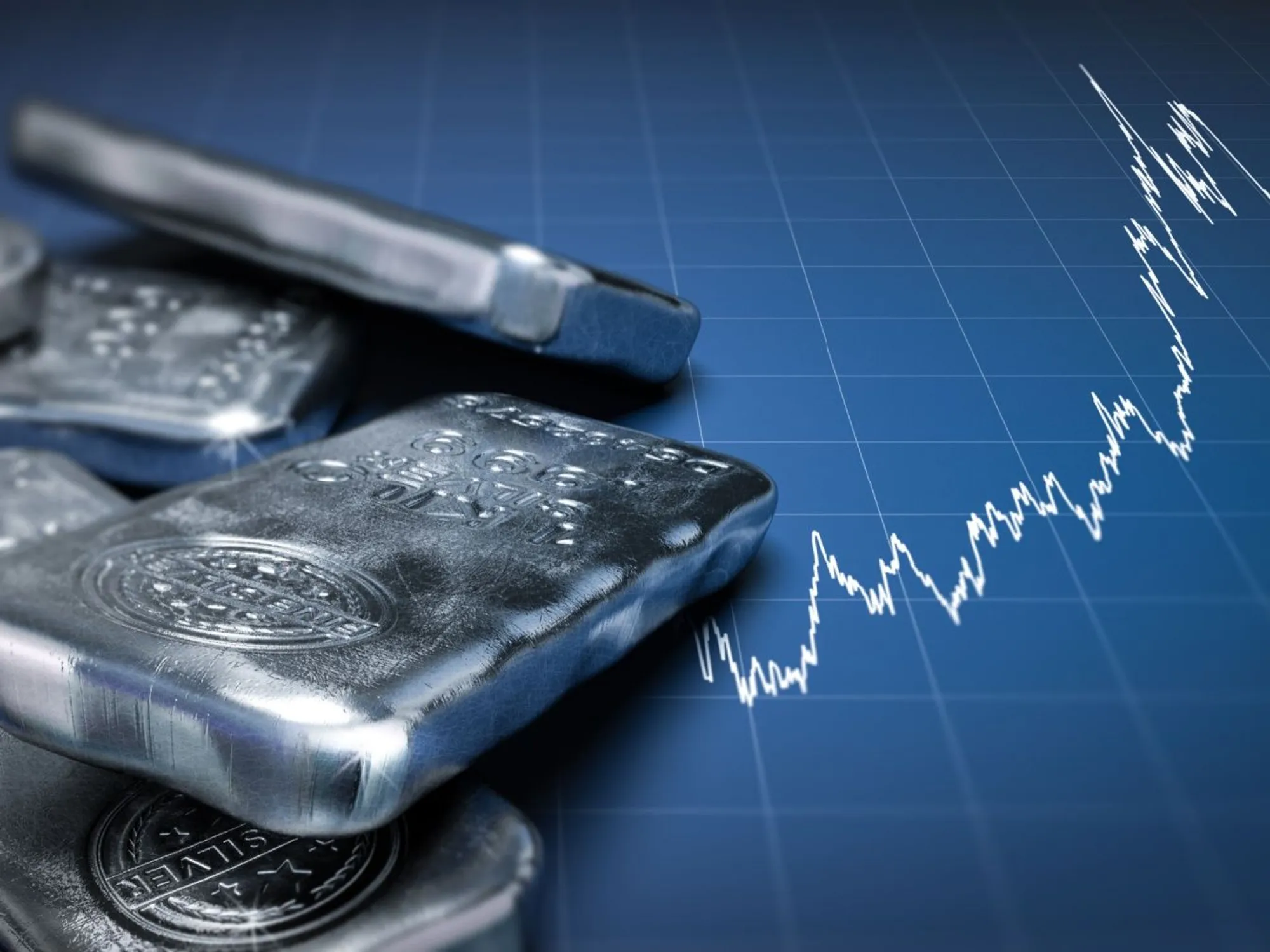
Silver prices surged over 127% in 2025, reaching all-time highs above $67/oz amid anticipation of these controls. The rally was fueled by physical squeezes, ETF inflows (projected ~200 Moz in 2025), and industrial buying.
Post-implementation effects:
- Analysts from Kotak Securities, Emkay Global, and others forecast further 20%+ upside in Q1 2026, potentially pushing prices to $70-80/oz or higher.
- Longer-term: Structural deficits and green tech demand could drive prices toward $100/oz by late 2026-2027, per some bullish scenarios.
- Volatility: Initial disruptions may cause short-term spikes, followed by adjustments as new supply sources emerge (though slowly, given silver’s byproduct nature).
3. Industrial and Sector-Specific Impacts
- Solar PV: China dominates production; retained silver prioritizes domestic panels, raising costs for global competitors by 15-30%.
- Electronics and EVs: Higher silver costs could inflate prices for semiconductors, batteries, and devices.
- Investment Market: Increased safe-haven buying amid geopolitical tensions (e.g., U.S.-China trade frictions) and monetary uncertainty.
India, a major importer, stockpiled aggressively in late 2025 (e.g., 1,700-2,600 tons in October-November), highlighting global hoarding trends.
4. Geopolitical and Strategic Implications
This policy fits China’s pattern of resource nationalism, similar to past controls on rare earths, gallium, and germanium. It enhances leverage in trade negotiations while securing supplies for domestic green tech dominance.
For the West, it underscores supply chain vulnerabilities, accelerating efforts to develop non-Chinese sources—though new mines take 10+ years.
Outlook and Uncertainties
The exact impact hinges on how liberally licenses are granted. If restrictive, 2026 could mark a “bifurcated” silver market: ample supply within China, scarcity elsewhere.
Forecasts from the Silver Institute and Metals Focus point to ongoing deficits, supporting higher prices. However, increased recycling, byproduct output from copper/zinc mines, or policy relaxations could mitigate extremes.
In summary, China’s silver export licensing requirement is poised to reshape the global market profoundly. With structural deficits already entrenched and industrial demand accelerating, the policy amplifies upward pressure on prices while highlighting silver’s critical role in the energy transition. Investors and industries alike should monitor early 2026 developments closely, as the full effects unfold in the coming months.