
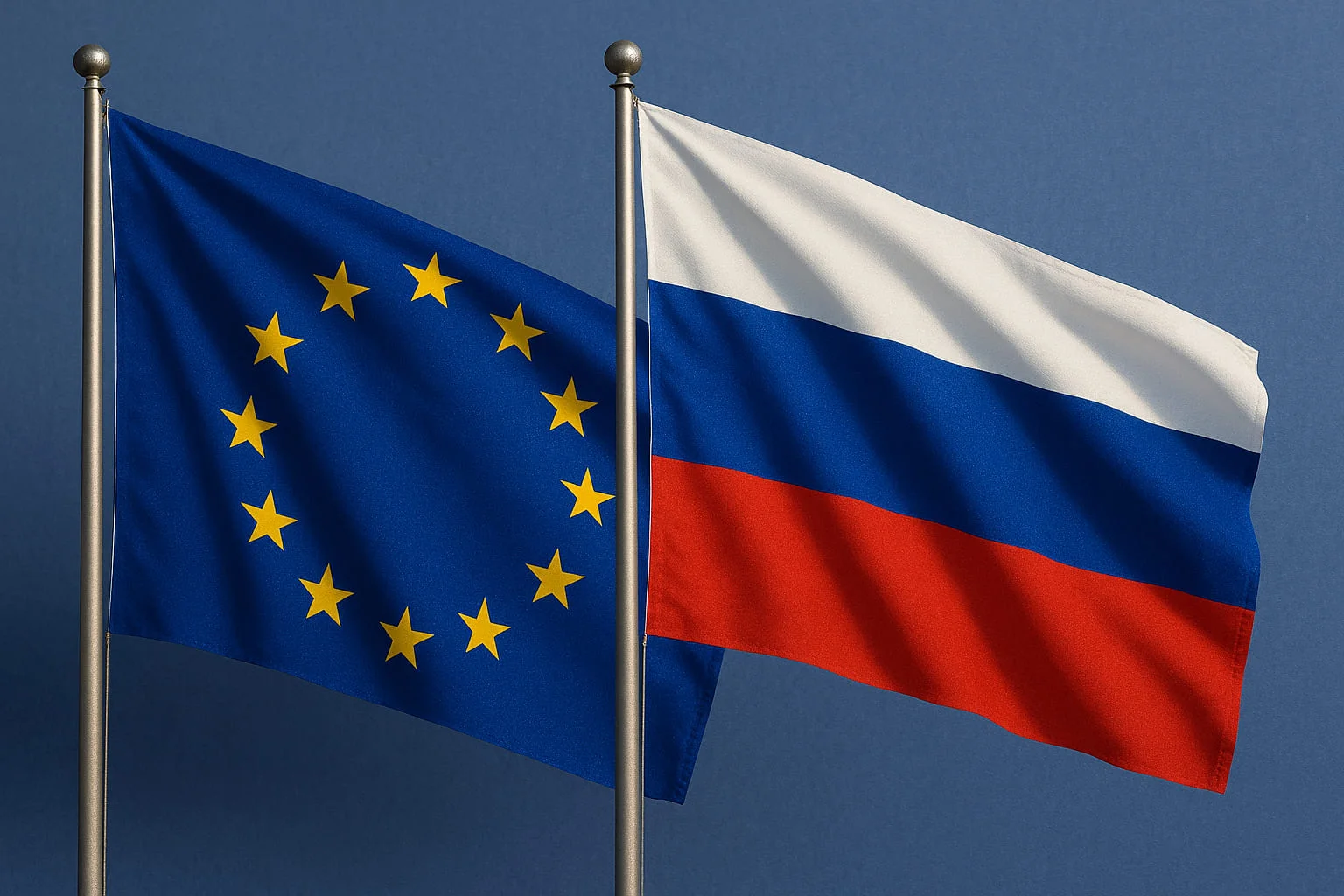
In a significant escalation of financial pressure on Moscow, the European Union has officially added Russia to its list of high-risk third countries with strategic deficiencies in anti-money laundering and counter-terrorist financing (AML/CFT) regimes. The change took effect today, following the adoption of Delegated Regulation (EU) 2026/46 by the European Commission in December 2025.
Russia now joins Bolivia and the British Virgin Islands on the updated list, while several countries—including Burkina Faso, Mali, Mozambique, Nigeria, and South Africa—have been removed. The EU’s high-risk list, maintained under the Fourth Anti-Money Laundering Directive, identifies jurisdictions posing elevated threats to the integrity of the EU financial system.
For EU-based banks, payment providers, crypto-asset firms, lawyers, real estate agents, and other “obliged entities,” the listing triggers mandatory enhanced customer due diligence (EDD) measures. These include stricter verification of the source of funds and wealth, intensified ongoing monitoring, and potential restrictions or outright refusals of transactions involving Russian customers, entities, or beneficial owners—even if routed indirectly through third countries.
The Commission’s decision reflects longstanding concerns over weaknesses in Russia’s AML/CFT framework. Key risks highlighted include the potential for sanctions evasion, illicit finance flows supporting prohibited activities, and inadequate controls over high-risk sectors. EU High Representative for Foreign Affairs Kaja Kallas emphasized the measure’s intent, stating that Russia has been using opaque financial channels to fund its ongoing war in Ukraine.
This EU action operates independently of the global Financial Action Task Force (FATF), the international standard-setter for AML/CFT. Although the FATF suspended Russia’s membership in 2023 following its full-scale invasion of Ukraine, it has not placed Russia on its grey or black lists due to procedural hurdles and opposition from certain members.
The blacklisting is expected to amplify Russia’s financial isolation, building on existing EU sanctions that have already restricted access to SWIFT, frozen central bank assets, and curtailed energy trade. International banks outside the EU may also adopt precautionary “de-risking” measures to avoid secondary compliance risks, potentially limiting Russian entities’ access to correspondent banking relationships worldwide.
Critics argue the move could disproportionately affect legitimate cross-border trade and humanitarian transactions, while proponents view it as essential for protecting the global financial system from abuse. As geopolitical tensions persist, this development underscores the EU’s willingness to leverage financial regulatory tools in pursuit of broader foreign policy objectives.
The full list of high-risk third countries is available on the European Commission’s website, and obliged entities are advised to update their compliance programs accordingly.