
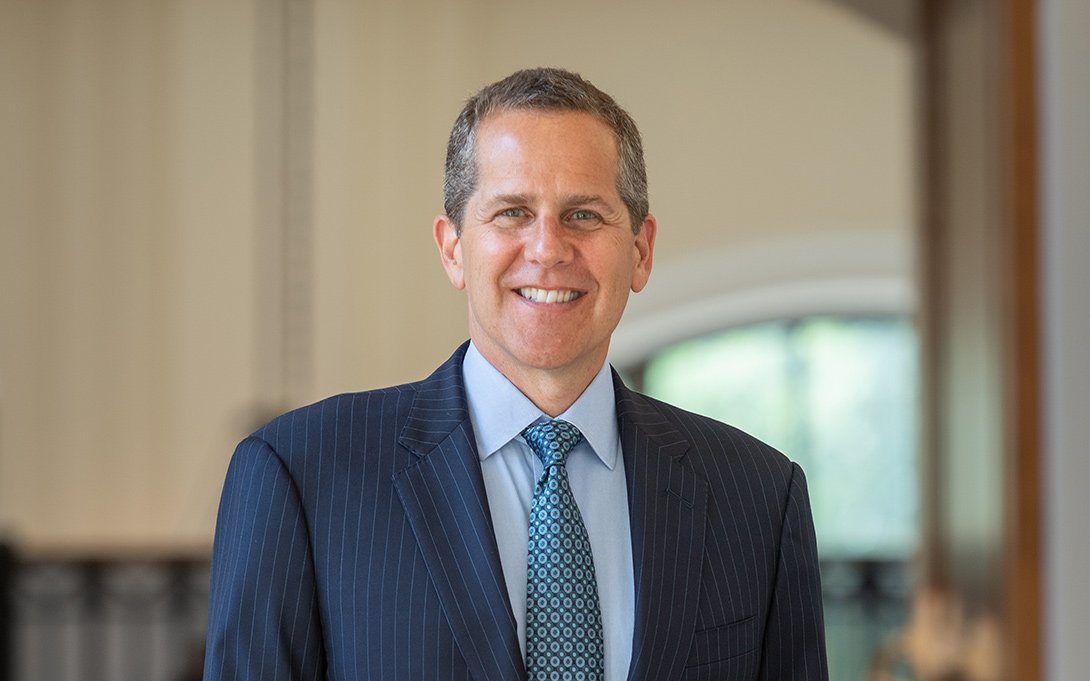
Federal Reserve Governor Michael S. Barr indicated Tuesday that the U.S. central bank is likely to keep interest rates unchanged for the foreseeable future as it awaits more convincing signs that inflation is easing.
In prepared remarks delivered at the New York Association for Business Economics on February 17, 2026, Barr emphasized patience in monetary policy. “Based on current conditions and the data in hand, it will likely be appropriate to hold rates steady for some time as we assess incoming data, the evolving outlook, and the balance of risks,” he said.
Barr expressed particular concern over goods price inflation, which has faced upward pressure from tariffs and other factors. He stated he would like to see “evidence that goods price inflation is sustainably retreating” before supporting further reductions in the policy rate, provided labor market conditions remain stable. He noted the risk of inflation staying persistently above the Fed’s 2% target remains “significant.”
The federal funds rate currently sits in the 3.50%–3.75% target range after three quarter-point cuts in late 2025 and a hold at the January FOMC meeting. PCE inflation is still running near 3%.
While the speech focused on artificial intelligence and the labor market, Barr directly addressed rate speculation tied to AI. He argued the AI boom “is unlikely to be a reason for lowering policy rates” in the near term and could even push the neutral rate higher over time through stronger productivity and investment demand.
Barr described the current labor market as stable yet delicate, with low job creation and separation rates making it vulnerable to shocks.
This cautious signal from Barr reinforces the Fed’s strictly data-dependent approach. With the next FOMC meeting set for March 17-18, investors have trimmed expectations for near-term cuts. Borrowing costs for mortgages, loans, and corporate debt are likely to stay elevated longer than many hoped, supporting a measured economic outlook for 2026.