
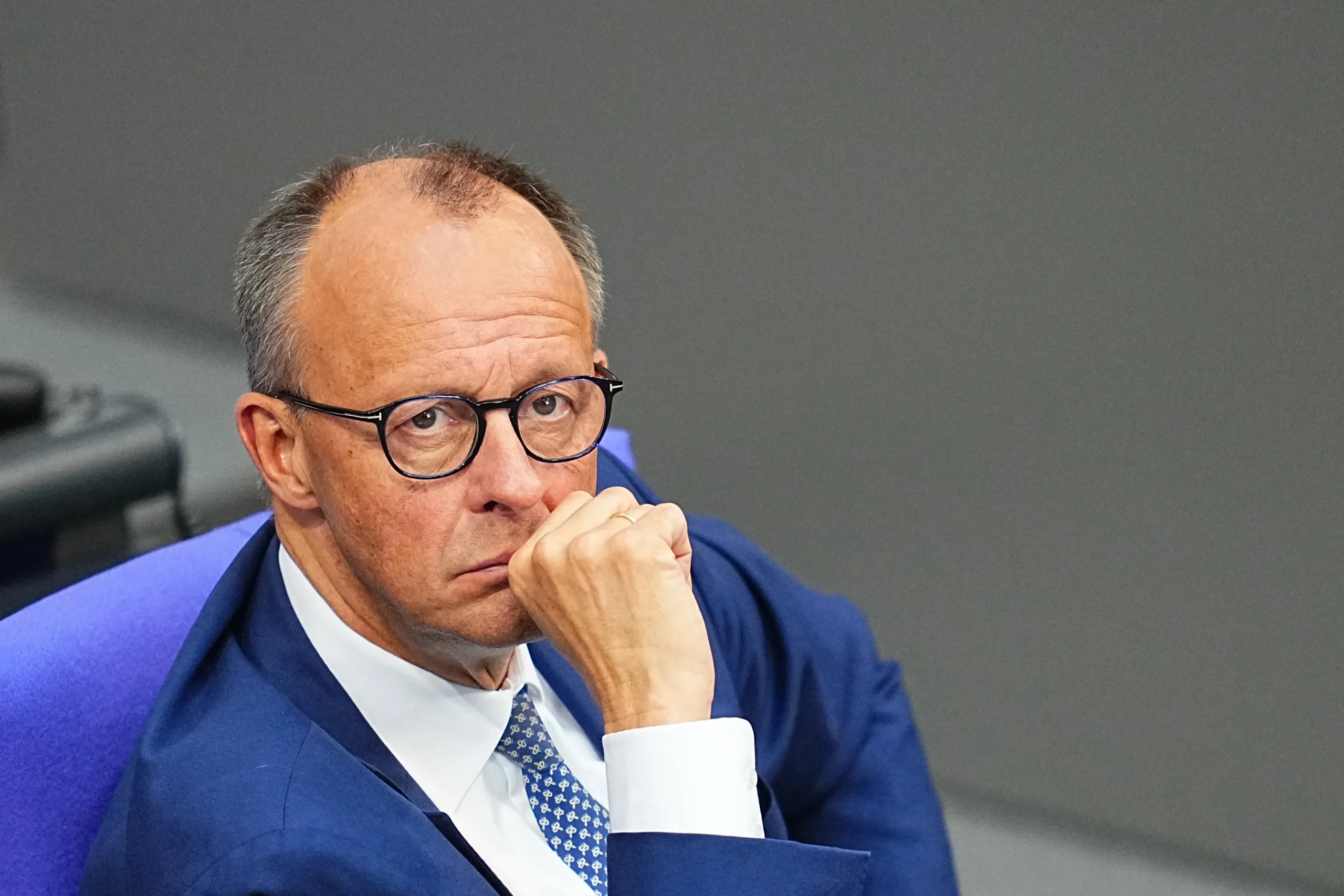
Berlin, January 28, 2026 – In a stark condemnation, German Chancellor Friedrich Merz declared that the Iranian government’s “days are numbered,” citing its reliance on “sheer violence and terror” to suppress widespread protests. The remarks, made during a joint press conference with Romanian Prime Minister Ilie Bolojan at the Chancellery, underscore growing international pressure on Tehran as domestic unrest intensifies alongside U.S. military threats.
“A regime that can only hold onto power through sheer violence and terror against its own population: its days are numbered,” Merz stated. He went further, suggesting the regime’s collapse “could be a matter of weeks,” and stressed that it “has no legitimacy to govern the country.” The chancellor highlighted a brutal crackdown on demonstrators, noting that the “mullahs’ regime can apparently only cling to power through sheer terror.”
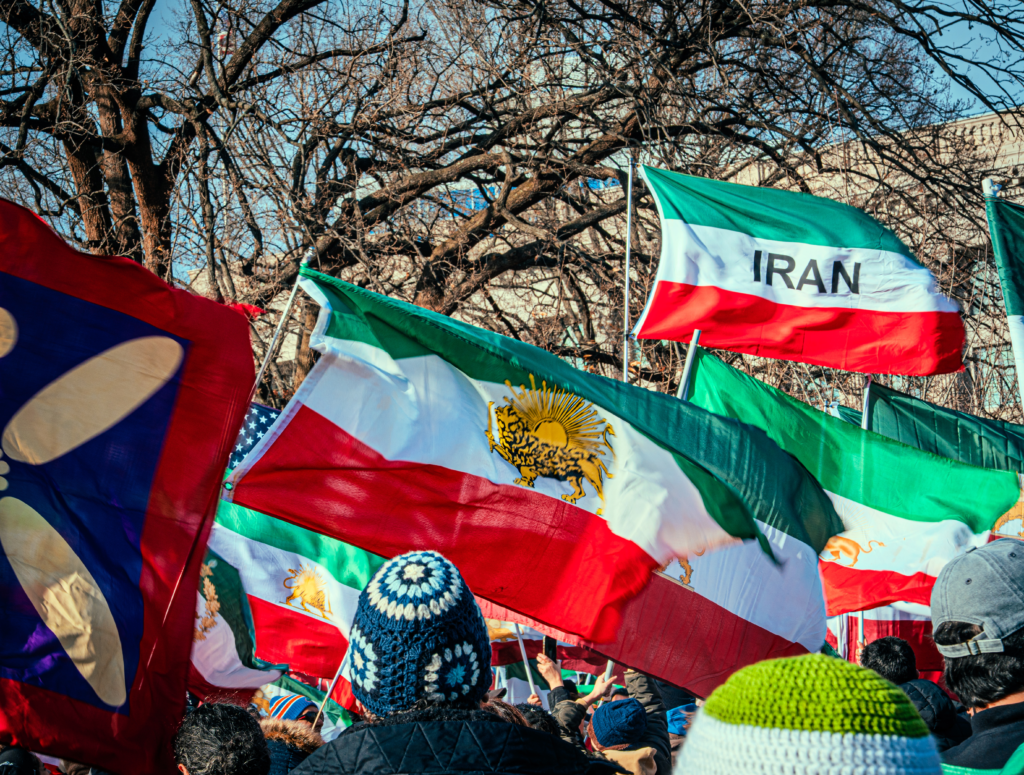
The protests in Iran erupted in late December 2025, initially sparked by economic grievances, but have evolved into a broader challenge to the clerical leadership established after the 1979 revolution. According to the U.S.-based Human Rights Activists News Agency (HRANA), over 6,200 deaths have been verified, mostly protesters killed by security forces, with violence peaking on January 8-9, 2026. An ongoing internet shutdown has complicated independent verification, and activists claim the true toll could be far higher.
Merz’s comments coincide with heightened U.S. rhetoric under President Donald Trump, who has deployed a “massive armada” toward the region and warned of devastating strikes if Iran refuses a new nuclear deal. Trump referenced prior U.S. actions, including “Operation Midnight Hammer,” as demonstrations of capability.
The German leader also endorsed Italy’s efforts to persuade the European Union to designate Iran’s Islamic Revolutionary Guard Corps (IRGC) as a terrorist organization. “I very much regret that there are still one or two countries in the European Union that are not yet prepared” to back the move, Merz said, signaling frustration with holdouts among EU members.
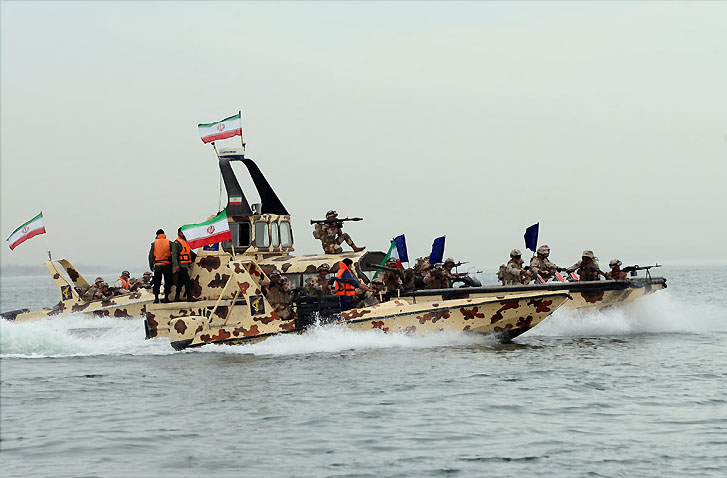
Iran has responded with defiance. Its UN mission expressed openness to dialogue based on “mutual respect” but vowed to “respond like never before” if attacked. Deputy Foreign Minister Kazem Gharibabadi emphasized that defense readiness is Iran’s top priority, with negotiations secondary.
Merz, who assumed the chancellorship in May 2025 following a CDU-led victory, has adopted a tougher stance on Iran compared to predecessors. His statements reflect a potential shift toward greater transatlantic alignment on Middle East policy, as Europe grapples with the implications of instability in Tehran.
As protests continue and military posturing escalates, Merz’s prediction adds to speculation about the regime’s longevity, though outcomes remain uncertain amid Iran’s history of resilience.