
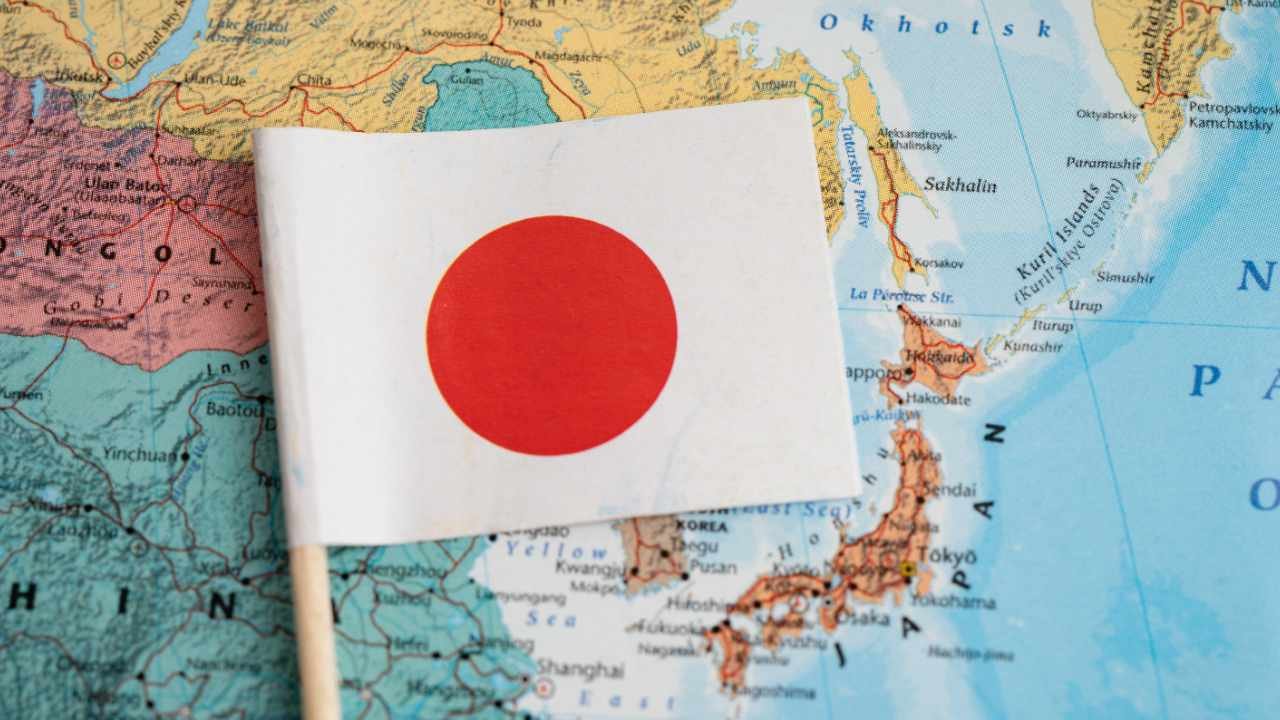
In a move that could ignite a resurgence in its domestic cryptocurrency market, Japan is advancing plans to impose a flat 20% tax on crypto profits, aligning digital assets with traditional investments like stocks and mutual funds. This proposal, first floated by the Financial Services Agency (FSA) in November and now backed by the government and ruling coalition, marks a pivotal moment for a nation long seen as a crypto pioneer but hampered by punitive tax rules. If enacted, the change could take effect as early as 2026, potentially drawing back investors who fled high tax burdens and positioning Japan as a more competitive hub in the global digital asset landscape.
From Punitive Rates to Parity: The Current Tax Landscape
Under Japan’s existing framework, cryptocurrency gains are classified as “miscellaneous income,” lumped together with other personal earnings like freelance work or gambling winnings. This subjects them to progressive income tax rates that escalate from 5% to 45%, plus an additional 10% local inhabitant tax for high earners—pushing the effective top rate to a staggering 55%. For comparison, profits from equities and investment trusts enjoy a separate taxation category with a straightforward 20% flat rate, split between 15% national income tax and 5% resident tax.
This disparity has long frustrated Japanese crypto enthusiasts. High taxes have driven trading volumes offshore, with many investors routing activity through foreign exchanges to avoid the steep levies. As of early 2025, Japan boasted over 12 million registered crypto accounts—a testament to strong domestic interest—but the tax regime stifled growth, contributing to sluggish adoption compared to peers like South Korea or Singapore.
The Proposal: A Flat 20% Levy and Regulatory Overhaul
The new plan, detailed in reports from Nikkei Asia and covered widely by outlets like CoinDesk and Cointelegraph, would reclassify major cryptocurrencies—such as Bitcoin and Ethereum— as financial products under the Financial Instruments and Exchange Act (FIEA). This shift would subject crypto to the same insider trading prohibitions and disclosure requirements as stocks, while capping taxes at 20% regardless of profit size or the investor’s overall income.
Key elements of the proposal include:
- Separate Taxation Framework: Crypto gains would be isolated from wage or business income, preventing them from inflating overall tax brackets.
- Uniform Rate Application: A flat 20% across all gains, eliminating the progressive escalation that currently penalizes successful traders.
- Broader Regulatory Alignment: The FSA aims to cover nearly 100 tokens, fostering a more mature ecosystem with protections against market abuse.
The reform is slated for inclusion in Japan’s 2026 tax policy outline, with legislative discussions expected in the National Diet early next year. This follows a November push by the FSA to treat crypto as a legitimate asset class, amid rising institutional interest, including collaborations on yen-pegged stablecoins by major banks like MUFG and Mizuho.
Why Now? Japan’s Crypto Ambitions in a Global Context
Japan’s pivot reflects a strategic recalibration. As the world’s third-largest economy, the country has historically led in crypto regulation—introducing licensing for exchanges as early as 2017—but its tax policies lagged behind. Officials cite the need to “foster the domestic market” as a core driver, aiming to recapture trading activity and bolster innovation in blockchain and Web3 technologies.
Globally, the 20% rate would place Japan competitively. The U.S. taxes crypto as property with rates from 0% to 37% based on holding periods, while the UK’s capital gains tax hovers at 20%-28%. By matching its own stock market levies, Japan signals that crypto is no longer a fringe gamble but a viable investment avenue. This comes at a time when Bitcoin’s price has hovered around recent lows, yet analysts see the policy as a “silent bull” for long-term adoption.
Critics, however, warn of overreach. Some investors argue that even a 20% flat tax—while a relief—maintains “strict fiscal supervision” that could stifle grassroots innovation, especially for smaller projects or meme tokens like Shiba Inu, which recently gained limited exchange approvals. Others question why crypto can’t enjoy tax-free thresholds available to minors in equity investments.
Implications for Investors and the Market
For everyday traders, the change could be transformative. A high-income professional facing 55% taxes on a ¥10 million crypto windfall would save ¥3.5 million under the new regime—enough to reinvest or diversify. Exchanges like bitFlyer and Coincheck, already dominant in Japan, could see volume spikes, while the reclassification might attract foreign capital wary of regulatory ambiguity.
Broader economic ripple effects include:
- Boosted Adoption: With taxes aligned, Japan could accelerate its stablecoin ecosystem, including the October launch of JPYC, its first regulated yen-backed token.
- Institutional Inflows: Banks and funds may deepen crypto offerings, mirroring global trends.
- Global Competitiveness: Lower barriers could position Tokyo as Asia’s crypto gateway, challenging Hong Kong’s edge.
Yet, implementation hurdles remain. The FSA must finalize which assets qualify, and parliamentary approval isn’t guaranteed amid fiscal debates.
Looking Ahead: A Crypto Renaissance in the Land of the Rising Sun?
Japan’s proposed 20% flat tax isn’t just a policy tweak—it’s a declaration that digital assets belong in the mainstream financial fold. By slashing rates and imposing guardrails, Tokyo aims to balance innovation with stability, potentially unlocking billions in suppressed economic activity. As the 2026 rollout looms, all eyes will be on whether this reform delivers the bull run Japan—and its investors—have long awaited.
For now, the market’s reaction has been muted, but whispers of optimism are growing. In a year defined by regulatory flux worldwide, Japan’s steady hand could prove to be the steadying force crypto needs. Stay tuned: the Diet’s decisions next year may well echo across global exchanges.