
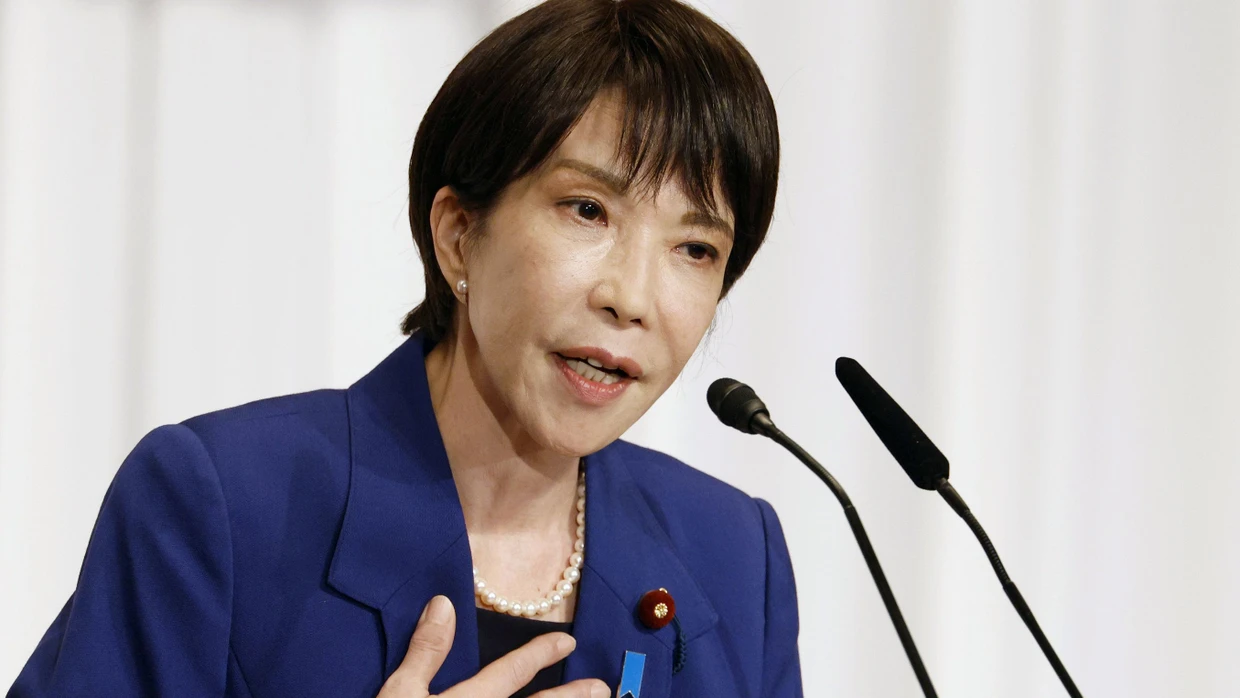
Japan heads to the polls this Sunday, February 8, 2026, in a snap general election called by Prime Minister Sanae Takaichi, the country’s first female leader. Just months after taking office in October 2025, Takaichi dissolved the lower house to capitalize on her surging popularity and secure a stronger mandate for her conservative agenda.
Takaichi, a longtime Liberal Democratic Party (LDP) lawmaker known for her hawkish stance on national security, won the party leadership last year and quickly rose to the premiership. Her decision to call an early vote has paid off in polls, with the LDP and its coalition partner Komeito projected to win a decisive majority—or even a landslide—in the 465-seat House of Representatives.
Recent surveys show Takaichi maintaining strong approval ratings, particularly among younger voters drawn to her promises of economic revitalization and building a “strong Japanese economy.” Her campaign has emphasized recovery from lingering post-pandemic challenges, bolstering defense capabilities amid regional tensions, and implementing political reforms following recent scandals.
Opposition parties, including the Constitutional Democratic Party (CDP), have struggled to gain traction. They criticize the LDP’s decades-long dominance but face an uphill battle in current polling. The short, intense campaign has filled streets with colorful candidate posters and seen heavy use of social media to reach voters.
Other key issues include addressing Japan’s aging population, social security sustainability, and debates over immigration and xenophobia. Takaichi has pledged proactive measures while promoting national pride.
A strong LDP victory would solidify Takaichi’s position and enable bolder policies on foreign relations, economic security, and domestic reform. Whatever the outcome, this historic election—featuring Japan’s first female prime minister seeking voter endorsement—marks a pivotal moment in the nation’s politics.