
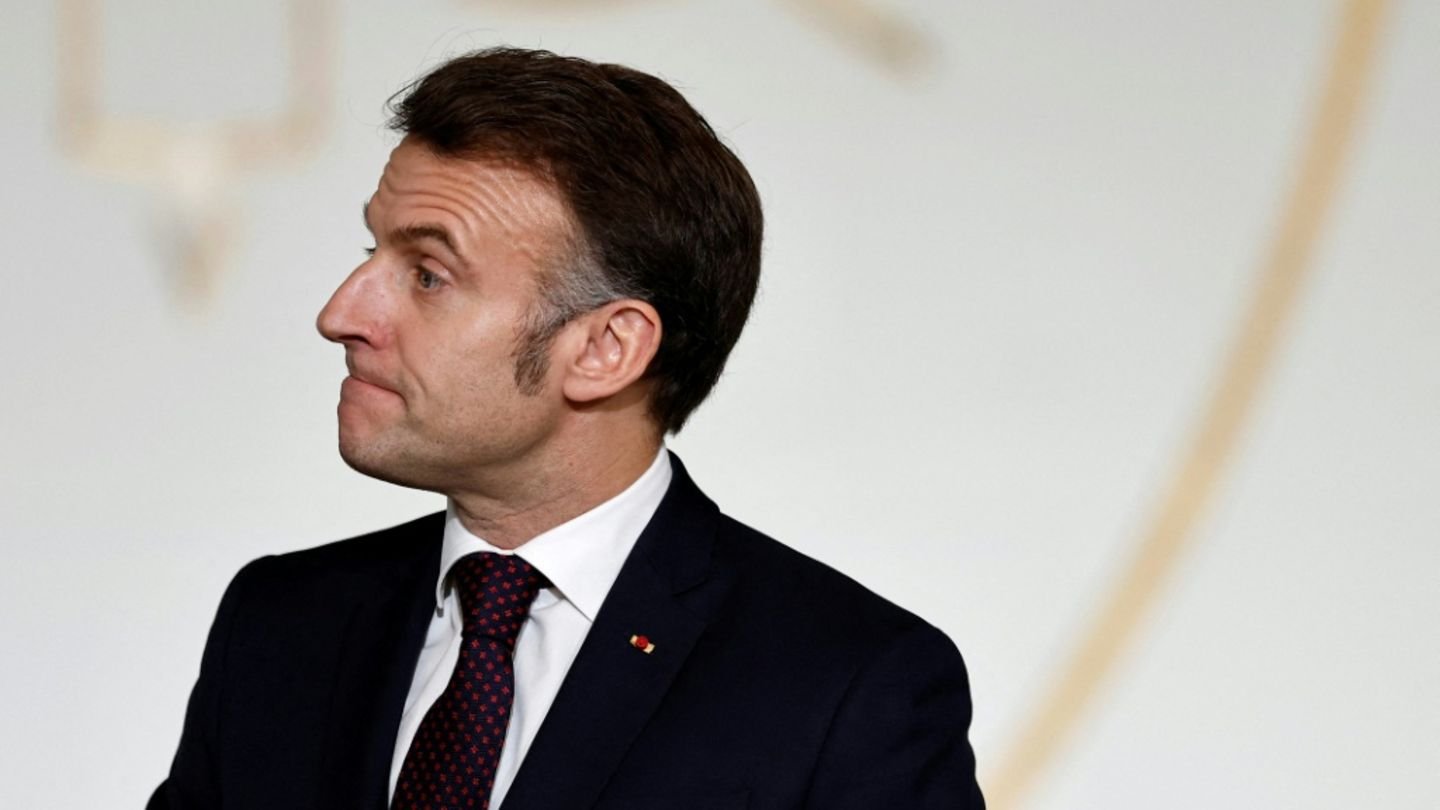
French President Emmanuel Macron sparked a transatlantic spat on February 11, 2026, by calling Elon Musk one of the world’s most heavily subsidized entrepreneurs, using the Tesla and SpaceX CEO’s Starlink project as a key example in his plea for greater European industrial support.
Speaking at the European Industry Summit in Antwerp, Belgium, Macron urged the EU to adopt aggressive measures—including a “Buy European” policy, increased public investment, and joint borrowing—to compete with economic superpowers like the United States and China.
“Everybody is fascinated by Starlink. I’m super happy,” Macron said. “But if you are lucid, Mr. Musk is probably one of the guys in the world who has had in his pockets the most billions of dollars of the American taxpayers in order to be subsidised.”
While praising the innovative outcomes of America’s state-backed model, Macron argued Europe must match such large-scale support for its own champions in tech, space, and green energy sectors.
Elon Musk swiftly fired back on X, rejecting the characterisation. “Actually, that’s our competitors, especially in Europe,” he posted in response to a clip of Macron’s remarks.
Musk has long maintained that government contracts and incentives for Tesla and SpaceX represent only about 1% of the companies’ combined market value—far less proportionately than the support received by traditional aerospace giants like Boeing or Lockheed Martin in the US, or Airbus in Europe, where state aid often exceeds 100% of company value in some cases.
The exchange highlights deepening tensions over industrial policy. Europe’s leaders have grown wary of US subsidies under measures like the Inflation Reduction Act, which have lured European firms across the Atlantic. Meanwhile, Starlink’s rapid expansion has raised concerns about reliance on American technology for critical infrastructure, including potential defence applications.
Macron’s comments reflect broader EU efforts to build strategic autonomy and foster homegrown innovators. As competition intensifies in satellite internet, electric vehicles, and beyond, this clash underscores the delicate balance between free-market innovation and state intervention in the global economy.