
Imagine this: It’s the 1630s in the Netherlands. Tulips, those flashy flowers freshly imported from the Ottoman Empire, are the hottest thing since sliced bread (which hadn’t been invented yet). People are trading houses, livestock, and life savings for a single bulb. One rare bulb reportedly goes for the price of a fancy canal house in Amsterdam. Everyone’s convinced prices will only go up forever. Then—poof!—in February 1637, the market crashes harder than a drunk sailor off a ship. Bulbs that cost a fortune yesterday are suddenly worth less than an onion. Fortunes evaporate overnight.
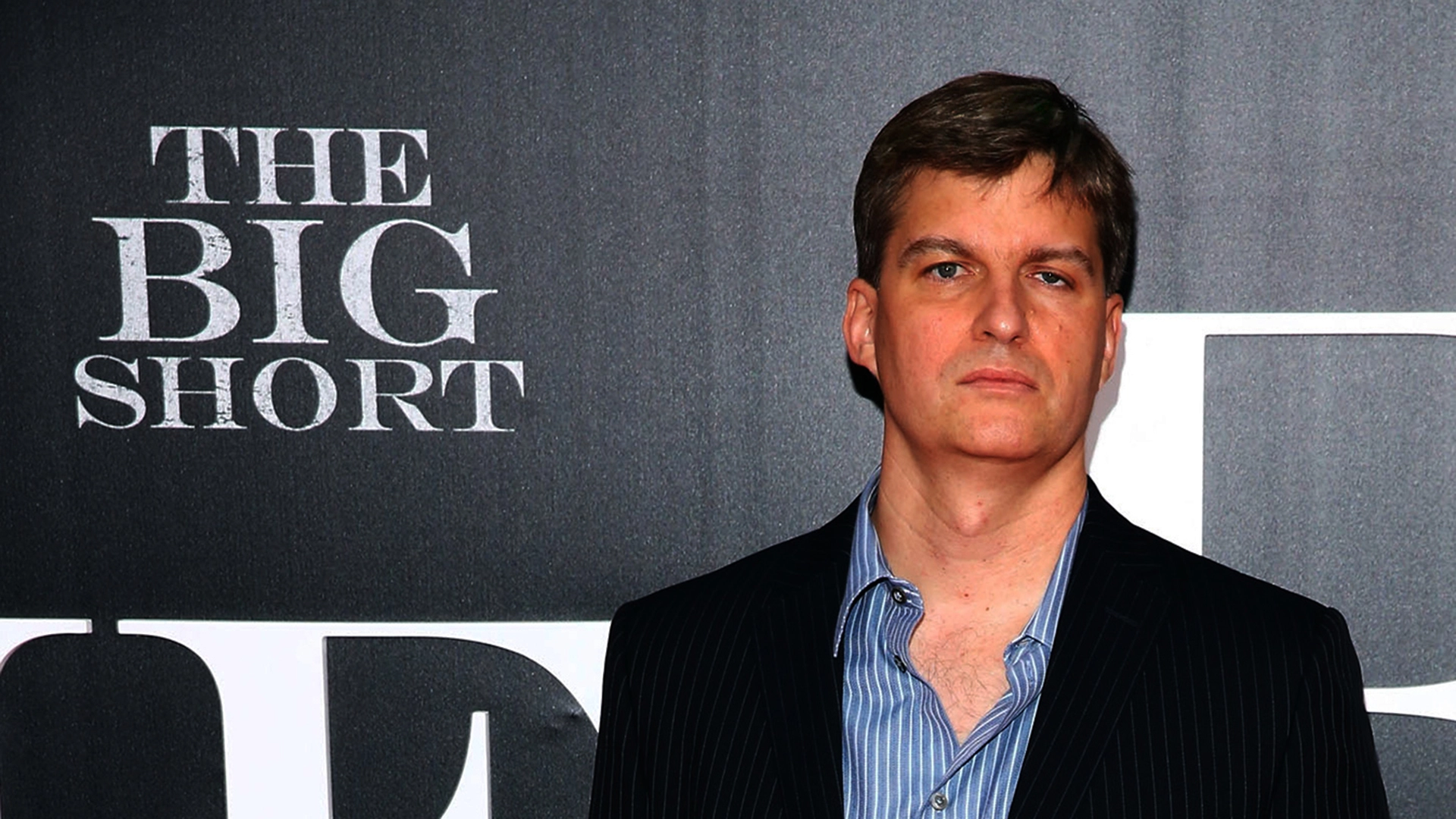
Fast-forward almost 400 years to December 2025. Bitcoin is hovering around the six-figure mark after wild swings, ETFs are mainstream, and everyone’s talking about it like it’s the new gold. Enter Michael Burry, the quirky genius who saw the 2008 housing crash coming when everyone else was partying like it was 1999. In a rare podcast interview with Michael Lewis (the guy who wrote The Big Short), Burry drops a mic: “It’s not worth anything. Everybody’s accepted it. It’s the tulip bulb of our time.”
And just to twist the knife: “It’s worse than a tulip bulb, because this has enabled so much criminal activity to go deep under.”
Ouch. The man who bet against subprime mortgages and made billions is now eyeing Bitcoin like it’s a ticking time bomb wrapped in hype. But why? Let’s dive into Burry’s brain, unpack the tulip analogy, and explore what makes this comparison so spicy—and so controversial.
Who Is This Guy, Anyway? The Burry Backstory
If you’ve seen The Big Short (the movie with Christian Bale rocking an eye patch and blasting heavy metal in his office), you know the vibe. Michael Burry is the real-life eccentric investor who runs Scion Capital. He’s got Asperger’s, a glass eye from childhood cancer, and an uncanny knack for spotting when everyone’s drinking the Kool-Aid.
In the mid-2000s, while Wall Street was handing out mortgages like candy, Burry dug into the fine print and realized the whole housing market was built on sand—subprime loans bundled into toxic securities. He invented credit default swaps to bet against it, endured mockery from peers, and cashed in huge when the bubble burst in 2008.
Burry’s not just a one-hit wonder. He’s been vocal about bubbles ever since: meme stocks, AI hype, overvalued tech giants like Nvidia and Palantir (he’s shorted both). He’s a classic contrarian—quiet for years, then emerges from his cave with warnings that sound crazy until… maybe they’re not.
So when Burry speaks, people listen. Even if they hate what he says.
Tulip Mania: The OG Bubble That Still Haunts Us
To get Burry’s jab, we need a quick history lesson on tulip mania—the granddaddy of all financial frenzies.
Tulips arrived in Europe in the 1550s, but by the 1630s in wealthy Holland (peak Dutch Golden Age), they were status symbols. Rare varieties, streaked with viruses that created wild flame-like patterns, were the rarest Pokémon cards of their day.
Speculation went nuclear. People weren’t even buying the flowers—they were trading futures contracts on bulbs still in the ground. Prices exploded: A single Viceroy bulb reportedly sold for 3,000–4,200 guilders (enough for a luxury house or 12 years’ wages for a skilled worker).
Then, in one week in 1637, panic selling hit. Prices plummeted 99%. Contracts became worthless. The fallout? Ruined merchants, lawsuits, and a lasting moral tale about greed and folly.
(Modern historians debate how “manic” it really was—maybe not the whole economy crashed, just a niche market of rich speculators. But the story stuck as the ultimate cautionary tale.)
Burry’s Beef: Bitcoin Has No Intrinsic Value
At the heart of Burry’s critique is this: Bitcoin is worth zilch fundamentally.
Tulips? At least you can plant them and get pretty flowers. Bitcoin? It’s digital code on a blockchain. No cash flows, no dividends, no utility beyond what people agree it’s worth.
In the podcast, Burry marveled (sarcastically) at TV pundits casually discussing Bitcoin at $100,000 like it’s normal: “Sane people are sitting on TV talking about Bitcoin… ‘it’s 100,000, it’s down now, it’s 98,000.’ It’s not worth anything.”
Burry sees pure speculation: Prices driven by FOMO (fear of missing out), hype, and greater-fool theory—you buy high hoping someone dumber buys higher.
He’s been skeptical since 2021, calling it a “speculative bubble” with more risk than reward, fueled by leverage. Fast-forward to 2025, and with institutional adoption and ETFs, the hype has only normalized what he sees as absurdity.
Unlike gold (which Burry has held physically since 2005 as a real hedge against inflation and chaos), Bitcoin isn’t “digital gold” in his eyes. Gold has industrial uses, jewelry, millennia of history as money. Bitcoin? Just narrative.
The Dark Side: Worse Than Tulips Because of Crime
Here’s where Burry goes nuclear: Tulips didn’t fund cartels.
Bitcoin’s pseudonymity and borderless nature have made it a darling for ransomware, dark web markets, sanctions evasion, and money laundering. Burry argues this “enables so much criminal activity to go deep under,” making it morally and systemically worse than a harmless flower frenzy.
Tulips bankrupted speculators, sure—but they didn’t supercharge global crime. Bitcoin’s ledger is public, but mixing services and privacy coins obscure trails, letting bad actors thrive.
The Counterarguments: Has Bitcoin Outgrown the Tulip Label?
Bitcoin bulls love to dunk on the tulip comparison. Tulip mania lasted months; Bitcoin’s been “dying” for 15+ years, surviving multiple 80%+ crashes, yet hitting new highs.
It’s not just speculation anymore: Nation-states (El Salvador), corporations (MicroStrategy), and pensions hold it. Spot ETFs brought billions in inflows. Scarcity (21 million cap), decentralization, and network effects give it value tulips never had.
And crime? Sure, early days were Wild West, but most Bitcoin activity is now legit, with regulators cracking down.
Burry’s track record is stellar, but he’s been early (or wrong) before. His 2021 bubble call came before Bitcoin more than doubled.
Final Thoughts: Bubble or Revolution?
Michael Burry isn’t shorting Bitcoin (that we know of)—he’s just sounding the alarm like he did in 2008. To him, the emperor has no clothes: A asset priced at insane levels on pure belief, normalized by media, with dark undercurrents.
Is he the Cassandra foreseeing doom, or a boomer missing the boat on the future of money? History will judge—but tulip bulbs are still pretty in gardens, while Bitcoin… well, it’s either the greatest innovation since the internet or the biggest fool’s gold ever mined.
One thing’s for sure: When Burry talks bubbles, it’s fun to listen. Just don’t bet the farm on tulips—or Bitcoin—without thinking twice.