
Nvidia’s much-anticipated investment in OpenAI, once touted as potentially reaching $100 billion, now appears significantly smaller, delivering another jolt to an already nervous technology market.
The story began in September 2025 when Nvidia announced a non-binding memorandum of understanding to invest up to $100 billion in OpenAI. The capital was intended to fund massive data-center buildouts—at least 10 gigawatts of computing power—all equipped with Nvidia GPUs, ensuring OpenAI’s continued dominance in the generative AI race.
That vision has since cooled. A January 31 Wall Street Journal report revealed the deal had stalled amid internal Nvidia concerns over OpenAI’s operational discipline and intensifying competition from Google, Anthropic, and other well-funded rivals.
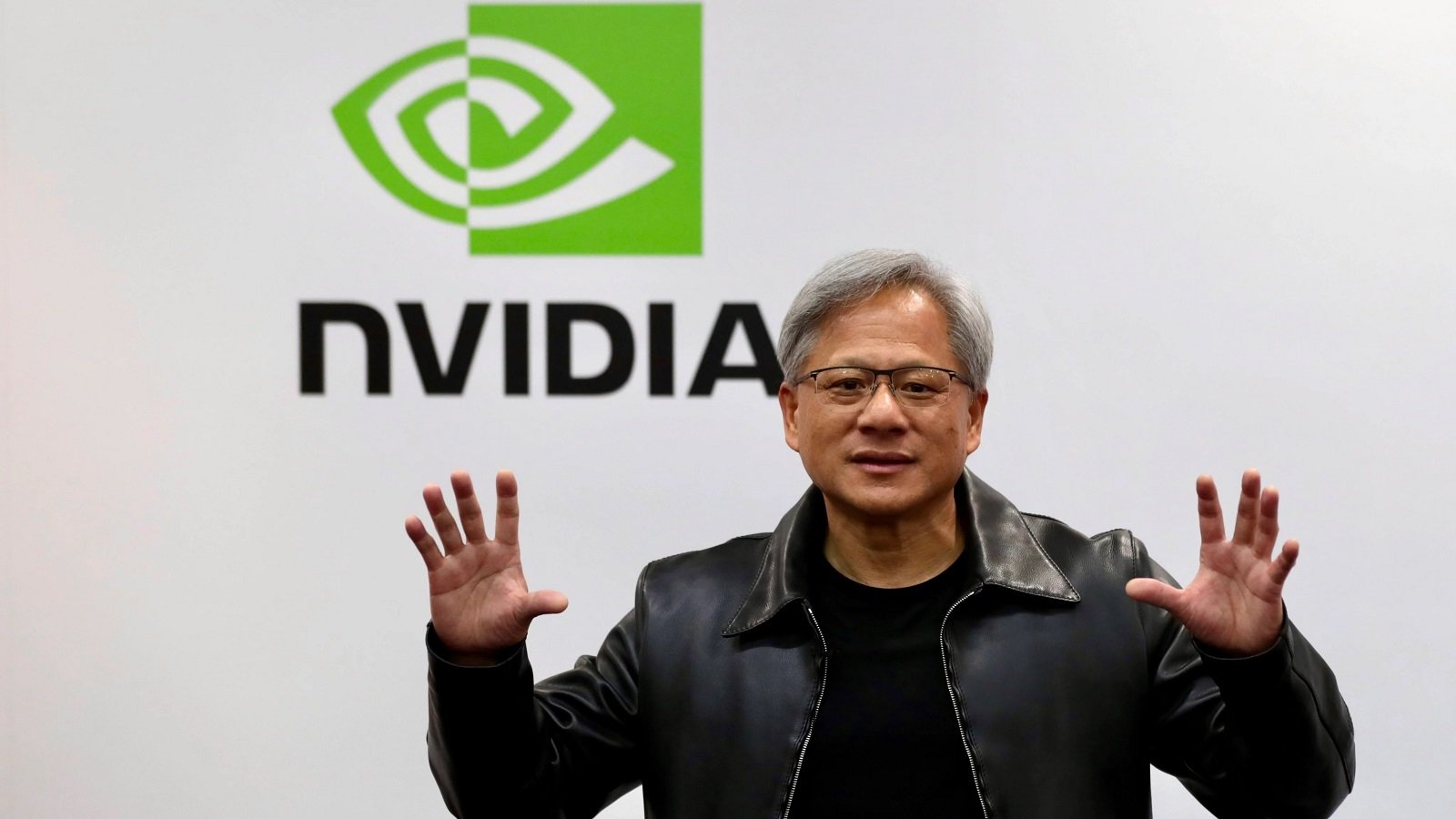
Nvidia CEO Jensen Huang quickly pushed back on the narrative of a fractured relationship. He described the original $100 billion figure as “never a commitment” and reaffirmed Nvidia’s intent to participate in OpenAI’s current funding round, which could raise up to $100 billion overall for the AI leader. Nvidia’s own contribution, Huang said, will be “huge”—likely the company’s largest single investment ever—but will fall well short of $100 billion, landing instead in the tens of billions in equity.
Huang stressed that the partnership remains strong, calling OpenAI “one of the most important companies in the world” and a vital customer.
The tempered expectations have amplified broader investor anxiety about the AI ecosystem’s interlocking investments. Chipmakers like Nvidia funding their biggest customers creates a circular dynamic that markets increasingly view as risky, especially as valuations remain stretched and competition accelerates.
The news contributed to recent volatility in Nvidia shares and helped keep the broader tech trade on edge. With AI capital expenditures still running at historic levels, investors are watching closely to see whether these high-stakes partnerships will deliver sustainable returns—or signal the first cracks in the AI boom.