
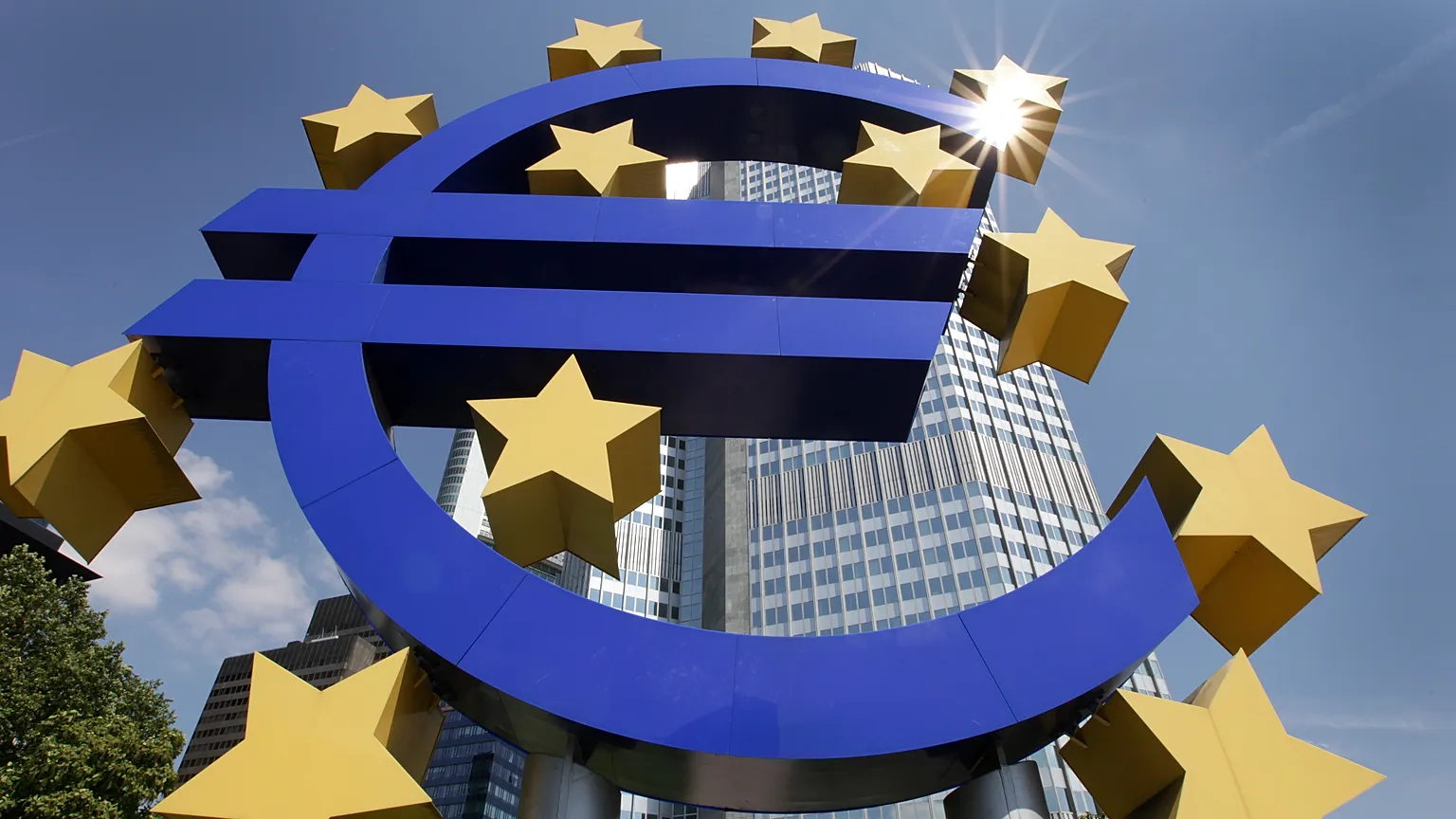
The Council of the European Union reached a historic milestone by agreeing on its negotiating position for the legal framework of a digital euro. This central bank digital currency (CBDC), issued by the European Central Bank (ECB), would complement physical cash and feature both online and offline functionality, ensuring accessibility anytime and anywhere in the euro area.
This decision, announced amid growing digital payment trends and geopolitical concerns over monetary sovereignty, paves the way for trilogue negotiations with the European Parliament. If successful, legislation could be adopted in 2026, with potential issuance around 2029.
Background: The Evolution of the Digital Euro Project
The digital euro concept emerged as cash usage declined and digital payments—often dominated by non-European providers—rose sharply. The ECB launched its investigation phase in 2021, followed by a two-year preparation phase from November 2023 to October 2025. During this period, the ECB finalized a draft rulebook, selected providers for platform components (including offline solutions), conducted experiments, and engaged stakeholders.
In October 2025, the ECB concluded the preparation phase and advanced to the next stage, focusing on technical readiness. ECB President Christine Lagarde and other officials emphasized the need for a public digital payment option to maintain trust in central bank money.
The European Commission proposed the legislative package in June 2023, including regulations for the digital euro’s establishment and strengthening cash’s legal tender status. Euro area leaders, at summits in March and October 2025, urged accelerated progress, highlighting its role in Europe’s strategic autonomy.
The Council’s Position: Key Features and Innovations
The Council’s mandate explicitly supports a digital euro with both online and offline functionality. This diverges from some European Parliament suggestions favoring an offline-only model for maximum privacy. Offline payments would enable transactions without internet, offering resilience during outages and cash-like anonymity for everyday use.
Core elements include:
- Complement to Cash: The digital euro would not replace physical euros but coexist with them, preserving cash access and acceptance. Member states must monitor cash availability and take remedial actions if needed.
- High Privacy Standards: Offline transactions would mimic cash privacy, with no tracking of individual payments. Online use would balance privacy with anti-money laundering requirements.
- Holding Limits: To safeguard financial stability and prevent bank deposit flight, the ECB would set (and periodically review) limits on individual holdings.
- Free Basic Services: Basic digital euro wallets and services would be free, distributed via banks and other intermediaries. Value-added features could incur fees.
- Pan-European Accessibility: Usable across the euro area, fostering inclusion and competition with private payment apps.
Danish Economy Minister Stephanie Lose, holding the Council presidency, stated: “The digital euro is an important step toward a more robust and competitive European payment system, contributing to Europe’s strategic autonomy and economic security.”
Implications for Privacy, Financial Stability, and Innovation
Privacy remains central. The Council prioritized safeguards against surveillance concerns, ensuring offline mode offers cash-equivalent anonymity. This addresses public fears of a “Big Brother” currency while complying with financial crime rules.
For banks, holding limits and free distribution obligations mitigate disintermediation risks, though implementation costs (estimated at over €5 billion over four years) have drawn industry pushback.
Innovation potential is significant: A digital euro could enable programmable payments, conditional transactions, and seamless integration with European schemes, reducing fragmentation and boosting fintech competitiveness.
Challenges and Criticisms
Progress has been cautious due to banking sector resistance and privacy debates. The Parliament’s rapporteur advocated offline-only for stronger protections, setting up potential compromises in trilogues.
Geopolitically, the digital euro counters dominance by U.S.-linked stablecoins and non-EU payment giants, enhancing the euro’s international role.
Critics worry about adoption if it lacks compelling advantages over existing apps, or if holding limits deter users.
Next Steps and Timeline
With the Council’s position adopted, negotiations with the Parliament begin in early 2026. Adoption could follow mid-year, allowing ECB preparations—including pilots in 2027—for potential launch by 2029.
The ECB stresses that final issuance depends on legislation and its assessment of readiness.
Conclusion: A Digital Future for Europe’s Currency
The EU Council’s December 19, 2025, agreement marks a pivotal advancement toward a digital euro that modernizes public money while upholding privacy, inclusion, and resilience. By embracing both online and offline capabilities, the EU positions itself at the forefront of digital finance, ensuring the euro remains relevant in an increasingly cashless world.
As Danish Minister Morten Bødskov noted: “The digital euro would complement cash and be available… anytime and anywhere.” This vision promises a more secure, autonomous, and innovative payment landscape for Europe’s 340 million euro users.