
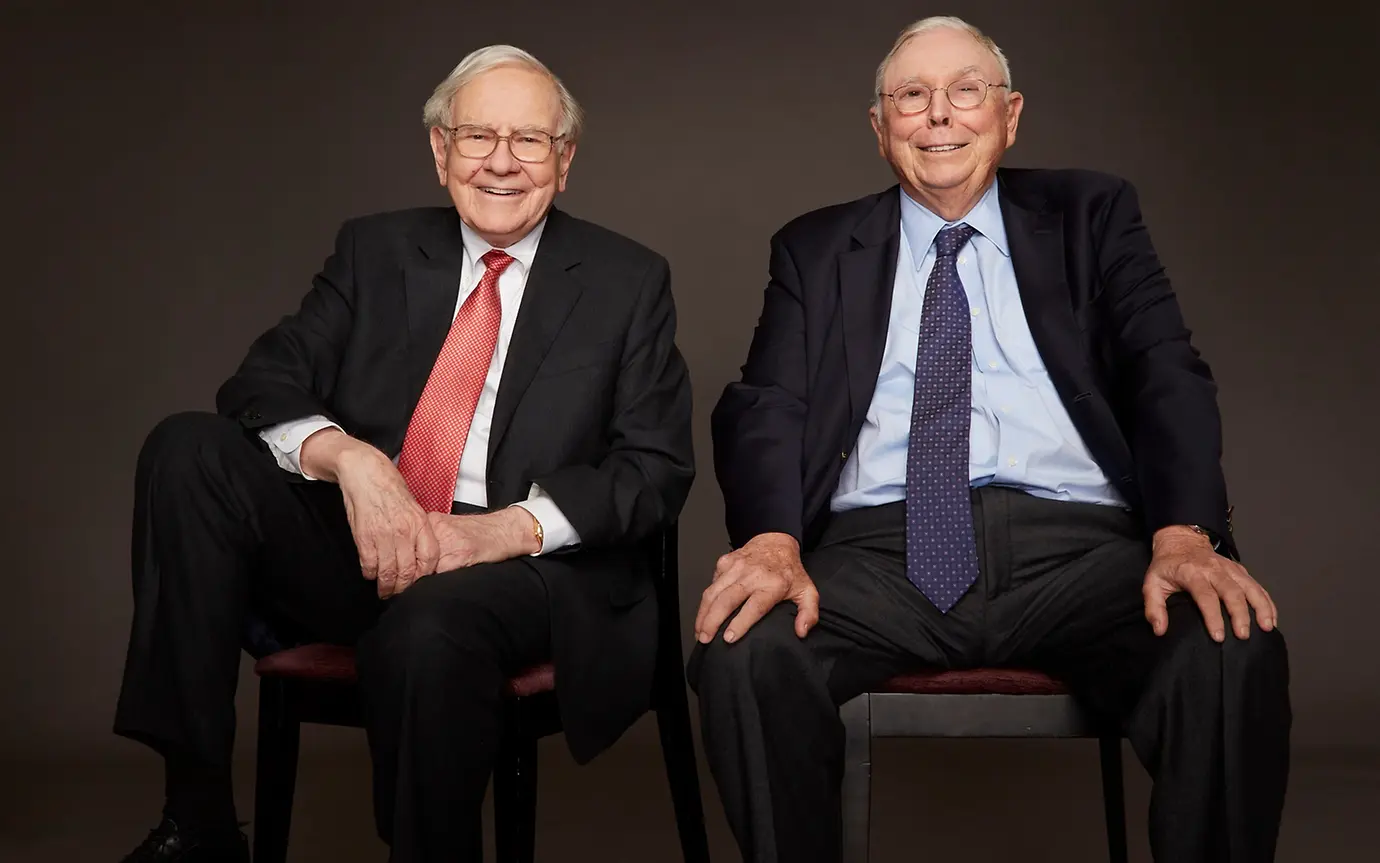
Today marks the final day of Warren Buffett’s remarkable tenure as CEO of Berkshire Hathaway. At 95, the “Oracle of Omaha” officially steps down from the role he has held for over six decades, passing day-to-day leadership to Greg Abel effective January 1, 2026. Buffett will remain as chairman, ensuring continuity while allowing his trusted successor to guide the company forward. This carefully planned transition—announced earlier this year at Berkshire’s annual shareholder meeting—closes one of the most influential chapters in American business history.
Buffett’s journey began in Omaha, Nebraska, where he was born in 1930. A precocious investor, he bought his first stock at age 11 and built small businesses as a teenager. Guided by Benjamin Graham’s principles of value investing—seeking undervalued companies with strong fundamentals and a “margin of safety”—Buffett developed a disciplined approach focused on long-term compounding rather than short-term speculation.
In 1965, he took control of Berkshire Hathaway, then a struggling textile manufacturer. He shifted its focus to insurance, leveraging “float” from premiums as low-cost capital for investments and acquisitions. The transformation was extraordinary: Berkshire grew into a conglomerate with a market capitalization exceeding $1 trillion, owning iconic businesses like GEICO, BNSF Railway, and holdings in companies such as Apple, Coca-Cola, and American Express.
Under Buffett’s leadership, Berkshire’s per-share book value compounded at an extraordinary rate, far outpacing the S&P 500 over decades. His strategy emphasized buying wonderful businesses at fair prices, maintaining decentralized management, and prioritizing integrity.
Buffett’s influence extended far beyond finance. His annual shareholder letters—witty, accessible, and profound—educated millions on investing and business. Quotes like “Be fearful when others are greedy, and greedy when others are fearful” became guiding principles for investors worldwide.
His partnership with the late Charlie Munger, Berkshire’s vice chairman until his passing in 2023, added intellectual depth and humor. Together, they turned the annual meeting in Omaha into “Woodstock for Capitalists,” attracting tens of thousands.
Buffett embodied Midwestern humility: still living in the modest Omaha home he bought in 1958 for $31,500, enjoying Cherry Coke and See’s Candies, and running Berkshire from a simple office in Kiewit Plaza—far from Wall Street’s glamour.
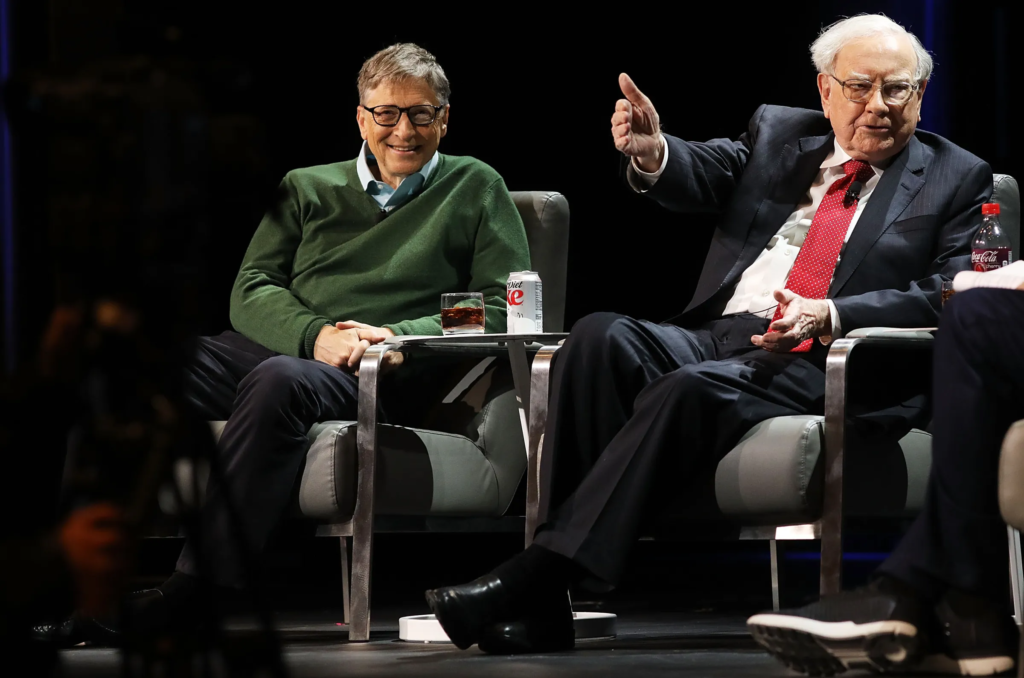
Perhaps Buffett’s most enduring contribution is his approach to wealth. In 2010, he co-founded the Giving Pledge with Bill and Melinda Gates, committing to donate over 99% of his fortune—now exceeding $150 billion. He has already given tens of billions, primarily to the Gates Foundation and family charities, redefining billionaire philanthropy and inspiring hundreds to follow.
As Greg Abel assumes the CEO role, Berkshire sits on a massive cash reserve—around $380 billion—amid market uncertainties. Abel, a seasoned executive with deep operational expertise from Berkshire’s energy businesses, has earned Buffett’s full confidence. While some note a “succession discount” in the stock price, the company’s fundamentals remain strong.
Buffett’s legacy is timeless: proof that patient, principled capitalism yields extraordinary results. He demonstrated that success stems from understanding businesses deeply, acting with integrity, and giving back generously.
In an age of rapid trading and speculation, Buffett reminded us that true wealth builds through knowledge, discipline, and humanity. As he steps back from daily leadership, his lessons will continue to shape investors and leaders for generations.
Thank you, Mr. Buffett, for a lifetime of wisdom and inspiration.