
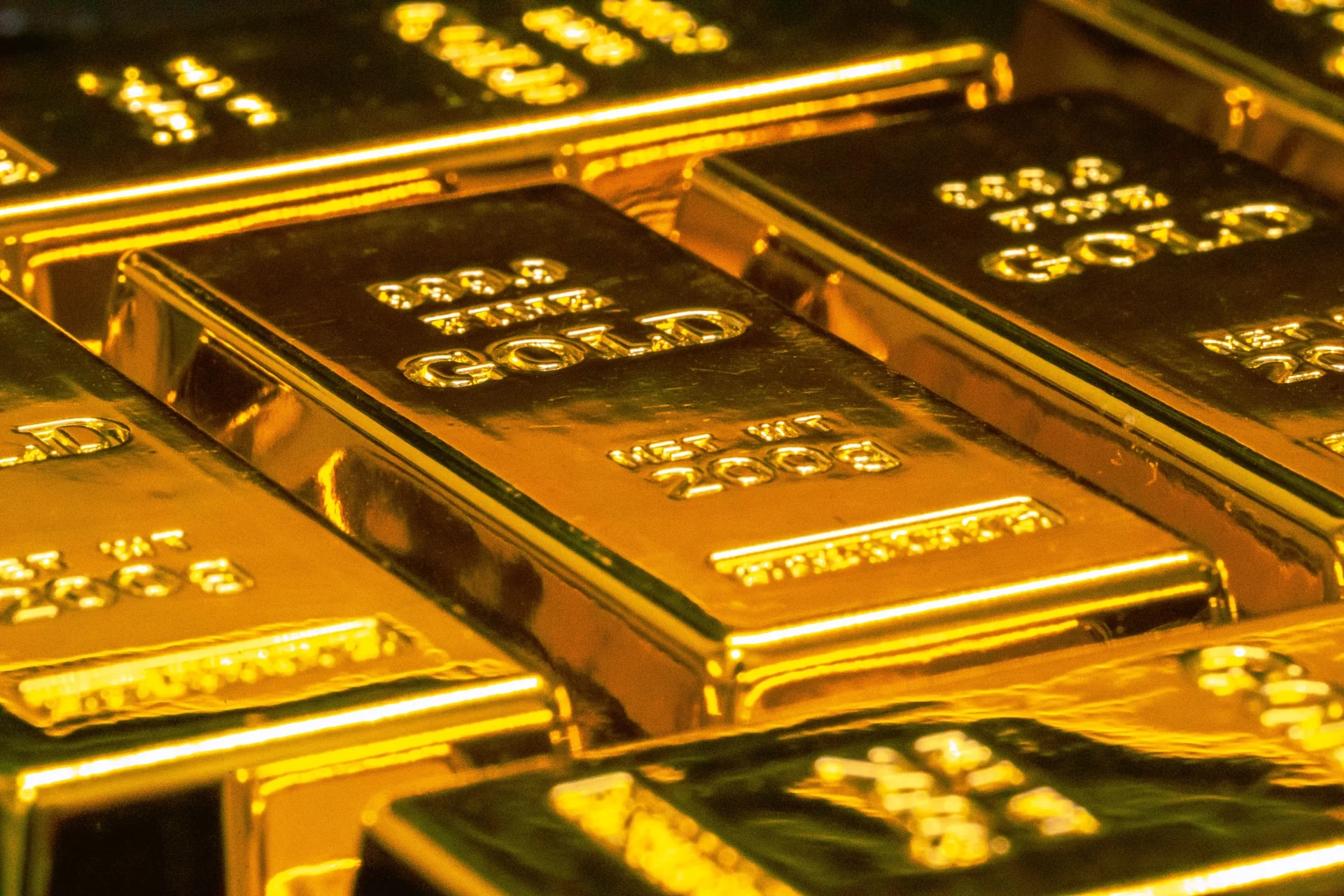
As of December 12, 2025, the price of gold has shattered records, trading at approximately $4,300–$4,340 per troy ounce, with intraday highs pushing toward $4,340.48—a daily gain of up to 1.41%. This marks a staggering year-to-date increase of over 63.96%, transforming gold from a traditional safe-haven asset into one of the top-performing investments of the year. In local markets, such as India, 24K gold prices have climbed to around ₹1,33,200–₹1,33,560 per 10 grams, reflecting both global trends and currency fluctuations.
What began as a steady climb in early 2025 has accelerated into a full-blown bull market, with gold setting over 50 all-time highs this year alone. This performance has outpaced major equities and even cryptocurrencies during risk-off periods, underscoring gold’s enduring role as “digital gold” in an era of fiat currency debasement and geopolitical volatility.
A Banner Year: Key Statistics from 2025
Gold’s 2025 rally has been nothing short of extraordinary. Starting the year around $2,263 per ounce, the metal has delivered returns exceeding 60% by November’s end, making it one of the strongest assets globally. According to the World Gold Council, gold has outperformed benchmarks like the S&P 500 over multiple horizons, driven by a balanced mix of macroeconomic factors.
- Year-to-Date Gain: +63.96% (as of December 12, 2025).
- All-Time Highs: Over 50 new records set in 2025.
- Weekly Performance: On track for a +2.7% gain in the week ending December 12.
- Global ETF Holdings: Reached a record 3,932 tonnes by November, with assets under management surpassing previous peaks.
- Trading Volumes: Surged to record highs, with daily averages hitting $561 billion in October.
Physical demand, while tempered in price-sensitive markets like India (where festive sales dropped 35% YoY due to high prices), has been offset by robust institutional and central bank buying.
Drivers Behind the Surge
The 2025 gold boom is fueled by a confluence of factors, creating a “perfect storm” for the precious metal:
- Monetary Policy and Liquidity: The Federal Reserve’s rate cuts, including a 25-basis-point reduction earlier in the year and projections for limited further easing, have weakened the U.S. dollar and lowered yields. Additionally, the Fed’s $40 billion Treasury bill purchases to ease money market strains have injected liquidity, capping short-term rates and supporting non-yielding assets like gold.
- Geopolitical Tensions: Ongoing conflicts, including U.S. actions near Venezuela and stalled Russia-Ukraine talks, have amplified safe-haven demand. Emerging markets view gold as a hedge against sanctions and currency risks.
- Central Bank Accumulation: Central banks have been voracious buyers, adding net purchases of over 254 tonnes year-to-date through October. This is part of a multi-year trend, with over 1,000 tonnes purchased annually in recent years—well above pre-2022 averages of 500–600 tonnes. Key buyers include Poland, China, and others diversifying from U.S. dollar assets.
- Investor Inflows: Gold ETFs saw record inflows, with holdings climbing to all-time highs. Western and Asian investors alike have piled in amid equity market frothiness and bond yield concerns.
- Inflation and Debasement: Persistent inflation and fiscal deficits have eroded faith in fiat currencies, pushing investors toward hard assets.
These drivers have created structural support, with central bank demand acting as a “price floor” even during pullbacks.
Market Sentiment and Challenges
Despite the rally, high prices have curbed physical demand in Asia, leading to overbought technical indicators like elevated RSI levels. Volatility remains high, with daily ranges exceeding $65. On platforms like X (formerly Twitter), sentiment is predominantly bullish, with traders viewing dips as buying opportunities. However, some warn of short-term corrections before the next leg up.
Outlook: More Upside Ahead?
Analysts are overwhelmingly optimistic for 2026, with forecasts ranging from $4,600–$5,000 per ounce, and some institutions like J.P. Morgan and Goldman Sachs eyeing $4,800–$5,300. Key catalysts include further rate cuts, escalating geopolitics, and sustained central bank buying (projected at 750–900 tonnes annually).
In a world of uncertainty—stagflation risks, trade tensions, and policy shifts—gold’s appeal as a diversifier and store of value has never been stronger. For investors, the 2025 surge is not an anomaly but the continuation of a structural bull market. As one expert noted, “Gold was built for the shifting trends currently unfolding in the global economy: inflation, war, uncertainty, and growing financial instability.”
Whether you’re a long-term holder or considering entry on pullbacks, the yellow metal’s story in 2025 is one of resilience and renewal—a timeless asset thriving in modern chaos.