
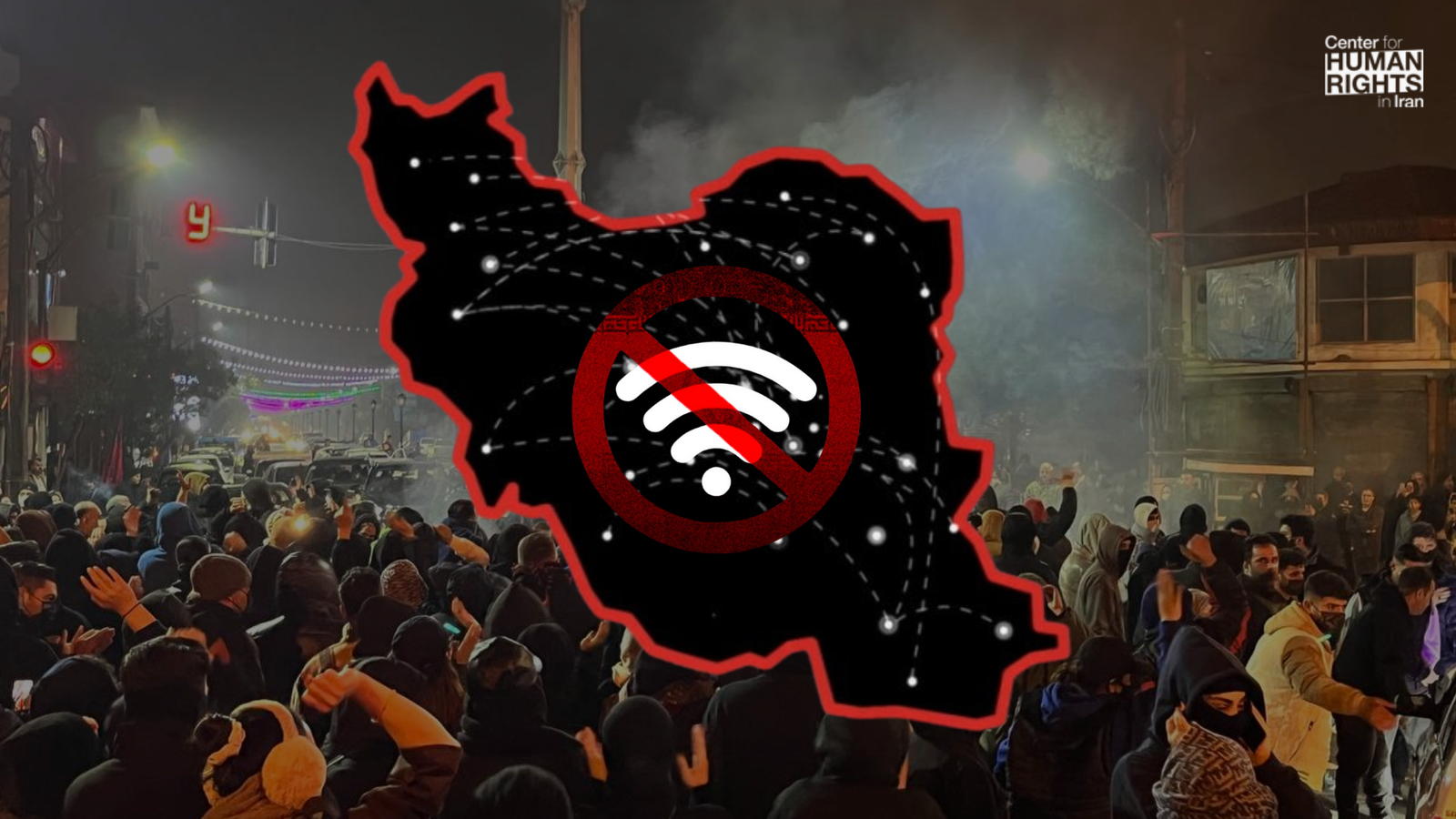
In the early days of 2026, Iran plunged into a digital abyss. On January 8, amid escalating nationwide protests sparked by economic grievances and political unrest, the Iranian government imposed a near-total internet blackout. This draconian measure, now stretching into its third week as of January 23, 2026, has severed the country’s connection to the global web, leaving only a fragmented domestic intranet operational for limited services. What began as a tool to suppress dissent has morphed into a self-inflicted wound, crippling the economy, isolating families, and fueling widespread despair. This article delves into the origins, impacts, and potential ramifications of Iran’s latest internet shutdown, drawing on economic data, personal testimonies, and expert analyses.
Historical Context: A Pattern of Digital Repression
Internet shutdowns are not new to Iran. The regime has long wielded network disruptions as a weapon against protests, a tactic honed over years of internal strife. In 2019, during fuel price demonstrations, a week-long blackout cost the economy an estimated $1.5 billion and drew international condemnation. The 2022 protests, triggered by the death of Mahsa Amini, saw intermittent restrictions that tallied up to $1.6 billion in losses, disrupting everything from e-commerce to international trade. More recently, in 2025, targeted disruptions amid smaller-scale unrest amounted to around $215 million in economic damage.
These precedents set the stage for the current crisis. The 2026 shutdown, however, stands out for its severity and duration—the longest in Iran’s history, surpassing even the 2022 events. Authorities justify it as necessary to curb “foreign interference” and protest coordination via social media platforms like X (formerly Twitter), Instagram, and Telegram. Yet, critics argue it’s a desperate bid to silence voices amid a perfect storm of economic woes, including skyrocketing inflation and currency collapse.
The Scope of the Current Blackout
The shutdown has reduced Iran’s internet traffic to a mere 1–10% of normal levels, with mobile data networks throttled, satellite signals jammed, and international gateways blocked. While some state-approved domestic sites and apps remain accessible—such as banking portals and government intranets—the global internet is off-limits for most citizens. Tools like VPNs and proxies offer sporadic breakthroughs, but they are unreliable and often jammed by regime countermeasures.
Smuggled Starlink terminals, provided by SpaceX, have become lifelines for a fortunate few, but even these face interference from signal jammers deployed by authorities. The blackout’s reach extends beyond urban centers like Tehran; rural areas, already underserved, are plunged into even deeper isolation. Monitoring groups like NetBlocks have tracked the outage in real-time, highlighting how it mirrors tactics used in other authoritarian regimes, from Myanmar to Uganda.
Economic Devastation: Billions Lost and Inflation Amplified
Iran’s economy, already battered by years of U.S. sanctions, corruption, and mismanagement, is reeling from the shutdown. Independent estimates from NetBlocks peg the direct daily cost at over $37 million, stemming from halted digital commerce, lost productivity, and disrupted services. Some analyses push this figure to $50–60 million per day, with cumulative losses after 15 days ranging from $550 million to $900 million.
The digital sector, contributing 6–6.5% to Iran’s GDP (approximately $27–29 billion annually), has ground to a halt. Small businesses, e-commerce platforms, and freelancers—many dependent on apps like Snapp (Iran’s Uber equivalent) and online marketplaces—face existential threats. Supply chains are fractured, with factories operating at reduced capacity and exporters unable to access global markets.
Compounding this is Iran’s rampant inflation, which the shutdown has supercharged. As of late 2025, annual headline inflation stood at 48.6%, with point-to-point rates hitting 52.6%. Food inflation soared to 72%, making basics unaffordable for many. The Iranian rial, trading at 1.4–1.5 million per USD in early January 2026, has depreciated 84% year-over-year, inflating import costs by over 60%.
The blackout exacerbates this through a vicious cycle: disrupted payments and logistics lead to shortages, pushing prices higher; reduced productivity weakens the rial further; and lost investment deepens isolation. The IMF projects inflation at 42.4% for 2025, potentially remaining above 40% in 2026, but experts warn of hyperinflation risks if the crisis persists.
| Economic Indicator | Pre-Shutdown (Late 2025) | Projected Impact from Shutdown |
|---|---|---|
| Daily Economic Loss | N/A | $37–60 million |
| Cumulative Loss (15 Days) | N/A | $550–900 million |
| Annual Inflation Rate | 48.6% | Potential rise to 60%+ |
| Food Inflation | 72% | Accelerated due to shortages |
| Rial vs. USD | ~700,000:1 (mid-2025) | 1.4–1.5 million:1 (Jan 2026) |
| Digital Economy Share of GDP | 6–6.5% | Severe contraction expected |
This table illustrates the stark escalation, underscoring how the shutdown turns economic fragility into catastrophe.
Human Stories: Lives Upended in the Darkness
Beyond the numbers, the shutdown’s toll is profoundly personal. Iranians, both inside the country and in the diaspora, have shared harrowing accounts via fleeting connections, painting a picture of a nation frozen in time.
Communication has crumbled, leaving families in anguish. “260 hours of silence. No contact with family, no news, no business, no voice,” one user lamented. Diaspora members report weeks without word from loved ones: “I usually receive a text from students who’ve managed to break through… This time, not a single one.” Inside Iran, people rely on neighbors for rumors, as even domestic apps falter.
Daily life has regressed. Payment systems collapsed initially, rendering ATMs and card machines useless; people hoarded cash or abandoned shopping carts. Ride-hailing, food delivery, and online banking vanished, while pharmacies struggled to restock and schools shuttered. A Tehran software developer described the ordeal: “Over 10 days of blackout… the worst days of my life. Internet is now as essential as air and water.” He couldn’t access tools like GitHub or Docker, leading to lost clients and a sense of “rotting in a corner… watching TV news like a depressed old man.”
The mental health impact is severe, with widespread reports of anxiety, depression, and fear. “Fear and anxiety” grip families abroad, while those inside warn of permanent disconnection: “This might be our last Instagram interaction.” The blackout has amplified isolation, turning modern conveniences into relics and fostering a collective sense of helplessness.
Future Outlook: Unsustainable Isolation or Regime Change?
Experts believe full blackouts are unsustainable for the regime, given the escalating costs and backlash from even non-protesters. Partial restorations may occur, but a pivot to a “national intranet”—isolating Iran like North Korea—could entrench losses in the billions, deter investment, and spike inflation toward hyper levels.
The IMF anticipates modest 1.1% GDP growth in 2026, but this hinges on stability. Prolonged unrest could tip the scales toward regime instability, with the shutdown inadvertently uniting economic neutrals against the government. Globally, Iran’s case underscores the rising cost of digital authoritarianism, serving as a cautionary tale for nations balancing control and connectivity.
In summary, the 2026 internet shutdown in Iran is more than a technical disruption—it’s a humanitarian and economic tragedy. As the world watches, the regime’s grip on information may loosen under the weight of its own isolation, potentially heralding change or deeper entrenchment.