
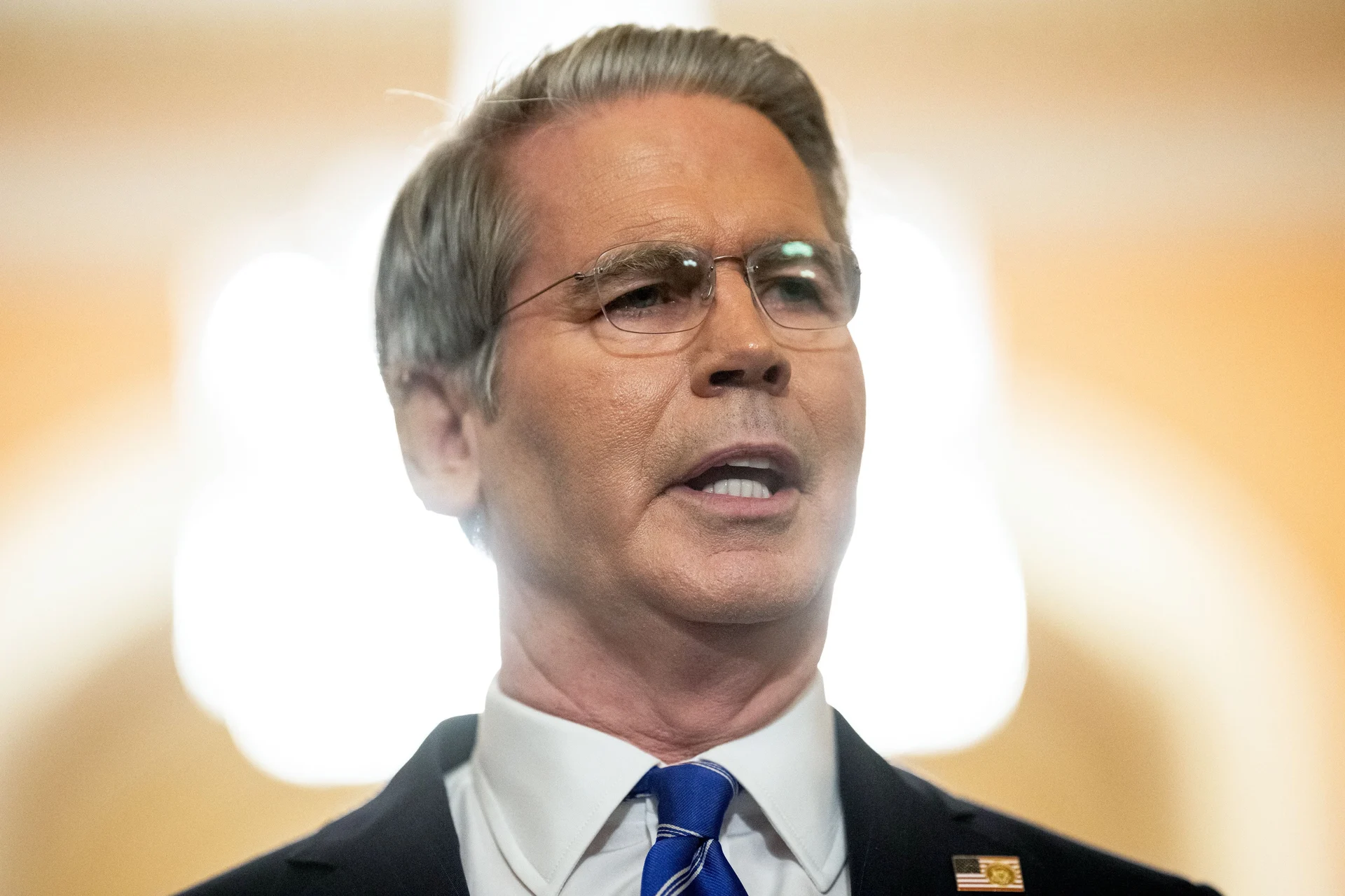
U.S. Treasury Secretary Scott Bessent revealed today that President Donald Trump is nearing a decision on his nominee to succeed Federal Reserve Chair Jerome Powell, stating the announcement could come “in the next week or so.” Bessent, who is leading the search process, described recent discussions with Trump as in-depth and said the president is being deliberate in his choice.
Speaking to CNBC, Bessent noted that he and Trump reviewed candidates extensively during a flight back from a recent rally in Iowa. He praised the remaining contenders, calling the four finalists “great” but declined to identify them publicly in the interview. Multiple reports, however, have consistently named the same shortlist.
Jerome Powell’s term as Fed Chair expires in May 2026. Originally nominated by Trump during his first term, Powell has faced repeated criticism from the president for keeping interest rates too high for too long. Trump has frequently advocated lower rates to support economic growth, and his next pick is widely expected to reflect a preference for more accommodative monetary policy.
The Reported Finalists
The four individuals believed to be under final consideration bring a mix of Fed experience, academic credentials, and private-sector expertise:
- Kevin Warsh, a former Federal Reserve Governor (2006–2011), is a frequent commentator on monetary policy and has been critical of the Fed’s balance-sheet management in the past. Often viewed as a hawk on inflation, Warsh has also expressed openness to rate adjustments aligned with economic conditions.
- Christopher Waller, currently a sitting Fed Governor, was appointed by Trump in 2020. Known for data-driven analysis, Waller has supported gradual rate cuts in recent years and is seen as a continuity candidate with institutional knowledge.
- Rick Rieder, Chief Investment Officer of Global Fixed Income at BlackRock, represents private-sector perspective. Rieder manages trillips of dollars in assets and has advocated for proactive Fed action to support growth, potentially aligning with Trump’s preference for lower borrowing costs.
- Kevin Hassett, former Chairman of the Council of Economic Advisers under Trump’s first administration, brings direct experience with the president’s economic agenda. An academic economist, Hassett is known for his work on tax policy and growth-oriented strategies.
Implications for Markets and Policy
The selection will carry significant weight. Markets have priced in continued rate cuts in 2026, but a nominee perceived as dovish could accelerate expectations for looser policy, while a more orthodox choice might signal steadiness. Today’s Federal Open Market Committee meeting is widely expected to hold rates steady, with attention already shifting to the leadership transition ahead.
Any nominee will require Senate confirmation, which could prove contentious depending on the pick and the composition of the Senate. Trump’s desire for a chair more sympathetic to his economic goals—lower rates, stronger growth, and reduced regulatory burden—has been clear throughout his campaign and second term.
Investors, economists, and policymakers are watching closely. The next Fed Chair will inherit an economy with cooling inflation, resilient labor markets, and lingering uncertainties around trade and fiscal policy. Whoever Trump selects will play a pivotal role in navigating those challenges.
As Bessent emphasized, Trump is taking the decision seriously, aware of the Fed’s profound influence on American households and businesses. With an announcement potentially just days away, speculation will only intensify in the coming week.