
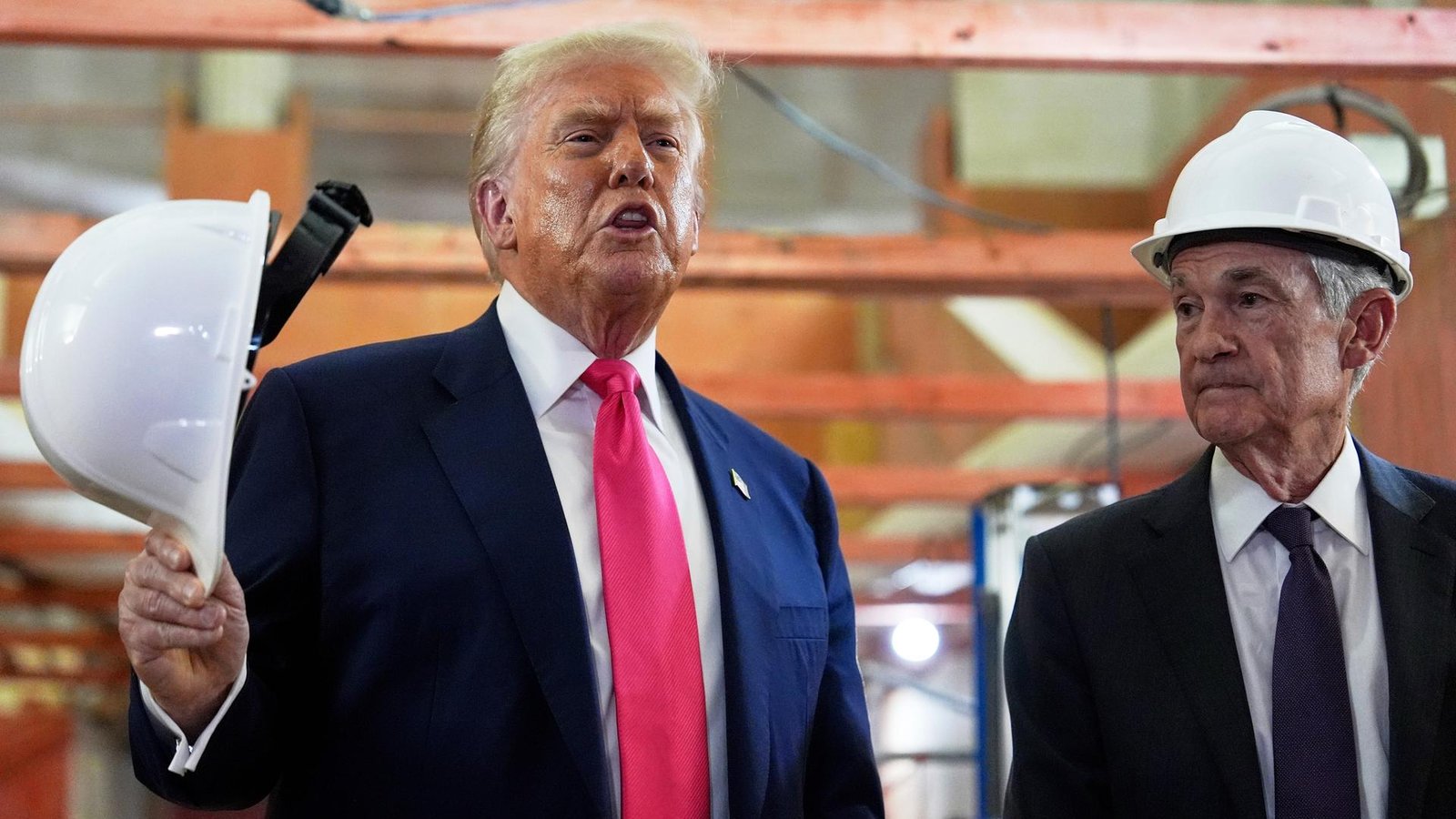
On December 12, 2025, President Donald Trump revealed in an exclusive interview with The Wall Street Journal that his leading contenders to succeed Jerome Powell as Federal Reserve Chair are former Fed Governor Kevin Warsh and current National Economic Council Director Kevin Hassett. Affectionately dubbing them “the two Kevins,” Trump signaled a narrowing of the field as Powell’s term approaches its end in May 2026.
This announcement has sent ripples through financial markets, prediction platforms, and policy circles, raising fresh questions about the future direction of U.S. monetary policy—and the enduring debate over Federal Reserve independence.
The Announcement and Trump’s Vision
In the WSJ interview, Trump indicated that Warsh has surged to the forefront after a recent meeting, with the president noting Warsh’s advocacy for lower interest rates—a view that aligns closely with Trump’s long-standing criticism of the Fed’s current stance.
“Yes, I think he is,” Trump replied when asked if Warsh was now leading the pack. He added, “I think you have Kevin and Kevin. They’re both — I think the two Kevins are great.”
Trump went further, stating he expects the next Fed Chair to consult with him on interest rate decisions. This remark reignited concerns about potential erosion of the central bank’s traditional independence, a principle long held to shield monetary policy from short-term political pressures.
The president has repeatedly expressed frustration with Powell, whom he appointed in his first term but later criticized for not cutting rates aggressively enough. Following the Fed’s recent 25-basis-point cut bringing the benchmark rate to 3.5%-3.75%, Trump called for rates to drop to “1% and maybe lower than that.”
Who Are the Contenders?
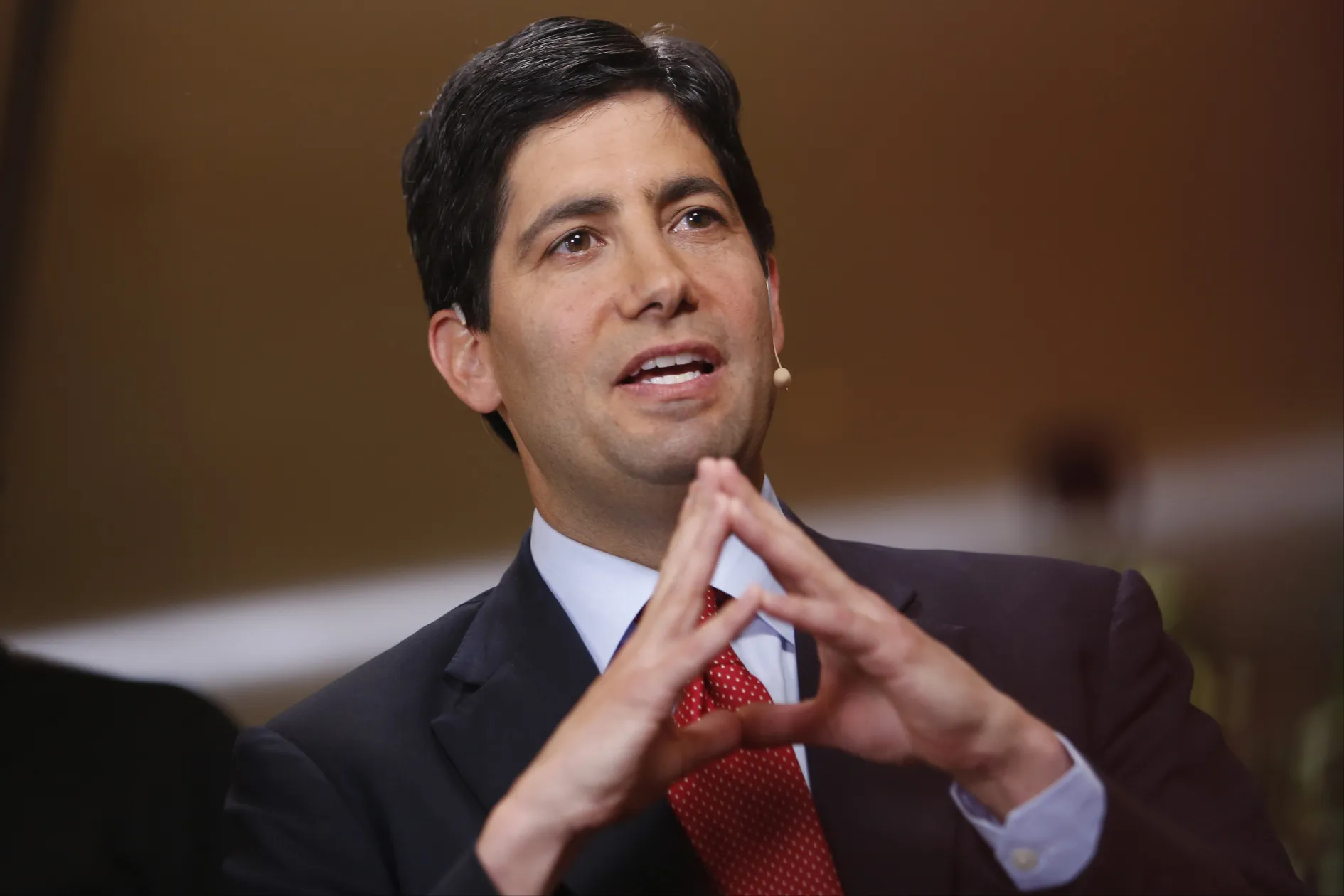
Kevin Warsh: The Former Insider with Hawkish Roots
Kevin Warsh served as a Federal Reserve Governor from 2006 to 2011, making him one of the youngest ever appointed to the Board at age 35. A former Morgan Stanley executive, Warsh played a key role during the 2008 financial crisis under Chair Ben Bernanke.
Known for his intellectual rigor and occasional dissent on policy (he was often more hawkish on inflation), Warsh has in recent years critiqued the Fed’s prolonged easy-money policies. He has argued that rates remain too high given cooling inflation risks and has called for a reevaluation of the Fed’s massive balance sheet.
Trump highlighted Warsh’s view that “borrowing costs should be lower,” a stance that resonated during their Wednesday meeting prior to the interview.
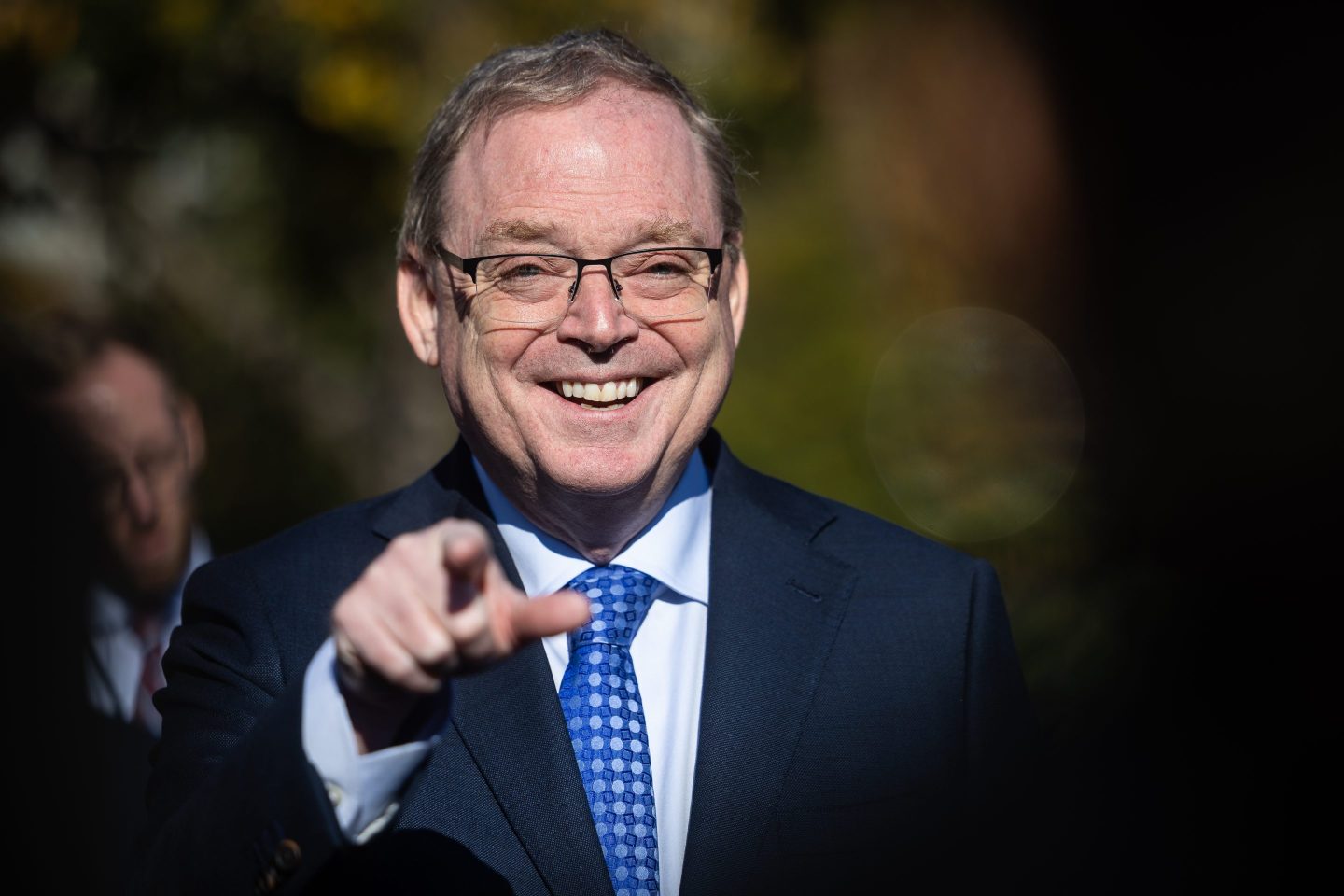
Kevin Hassett: The Loyal Economist and Trump Ally
Kevin Hassett, currently directing the National Economic Council, has deep ties to Trump. He served as Chairman of the Council of Economic Advisers from 2017 to 2019, returning briefly during the COVID-19 era and rejoining the administration in 2025.
A conservative economist formerly with the American Enterprise Institute, Hassett is best known for co-authoring works on tax policy and defending the 2017 Tax Cuts and Jobs Act. While not a central banker by trade, he has publicly supported Fed independence even amid Trump’s push for rate cuts.
Until recently, Hassett was widely seen as the frontrunner, with prediction markets giving him odds as high as 80%. His long-standing relationship with Trump had fueled speculation that loyalty would tip the scales.
Market Reaction and Shifting Odds
The WSJ interview triggered immediate swings in prediction markets. On Kalshi, Hassett’s probability dipped below 60% (from around 80% earlier), while Warsh’s surged to as high as 40% from about 15%. Similar shifts occurred on Polymarket, reflecting bettors’ reassessment of Trump’s signals.
Other names once in contention—such as Fed Governors Christopher Waller and Michelle Bowman—have faded, with markets assigning them near-zero chances.
Financial markets remained relatively calm, but analysts noted potential volatility ahead depending on the nominee’s perceived dovishness.
Broader Implications: Independence, Rates, and the Economy
Trump’s insistence on consultation with the president challenges a cornerstone of modern central banking: the Fed’s independence, established to prevent politicization of interest rates. Critics, including some Democrats like Sen. Elizabeth Warren, warn of appointing a “sock puppet” to execute presidential whims.
Supporters argue that greater coordination could align monetary policy with fiscal goals, especially amid Trump’s agenda of tariffs, tax cuts, and deregulation.
A more accommodative Fed under either Kevin could accelerate rate cuts, boosting growth but risking renewed inflation. Warsh’s Fed experience might lend credibility, while Hassett’s alignment with Trump could ensure smoother implementation of administration priorities.
JPMorgan CEO Jamie Dimon has reportedly praised Warsh as a strong choice, while noting Hassett might pursue near-term cuts more aggressively.
What’s Next?
Trump suggested a decision could come “in the coming weeks,” with final interviews underway. The nominee will require Senate confirmation, where Republicans hold a majority but moderates may scrutinize views on independence.
As the U.S. economy navigates cooling inflation, resilient growth, and global uncertainties, the choice of Fed Chair will shape policy for years. For now, the race between “the two Kevins” captivates Wall Street and Washington alike.
Sources: The Wall Street Journal (Dec 12, 2025), Bloomberg, CNBC, Fox Business, Fortune, and prediction markets Kalshi/Polymarket as of Dec 13, 2025.