
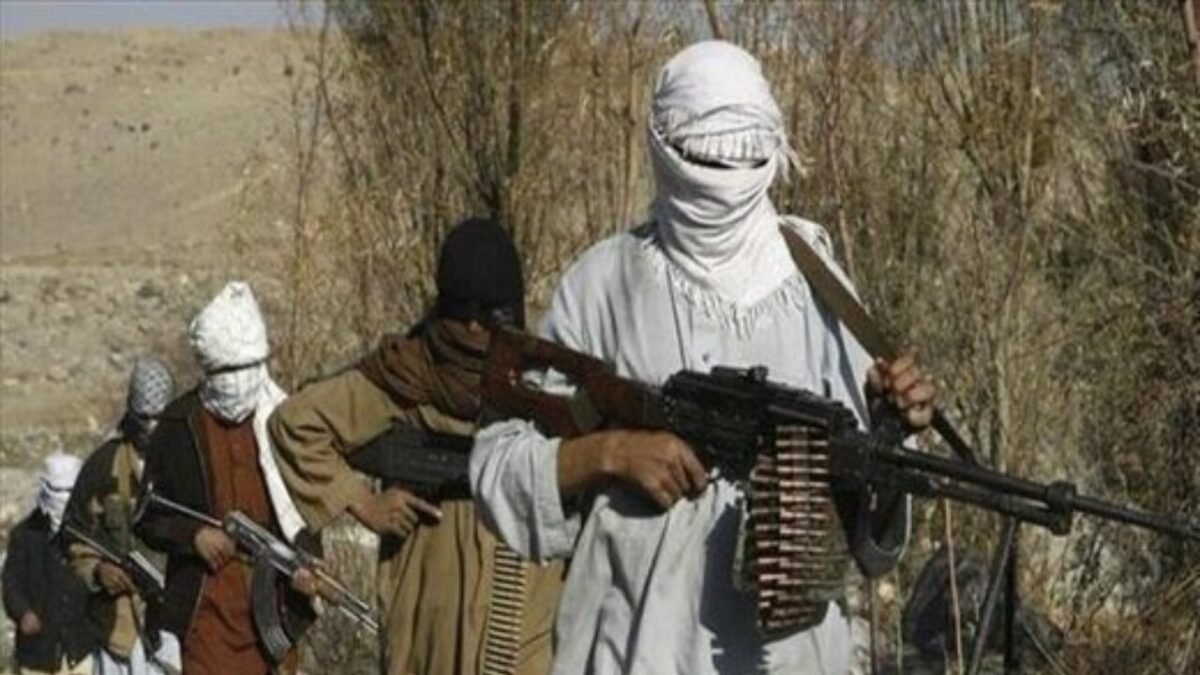
The terms “Taliban” often cause confusion in global headlines. While both the Afghan Taliban (officially the Islamic Emirate of Afghanistan) and Tehrik-i-Taliban Pakistan (TTP, or Pakistani Taliban) share Deobandi Islamist roots, Pashtun ethnic ties, and a commitment to strict Sharia law, they are separate organizations with distinct histories, objectives, and operations. The Afghan Taliban has governed Afghanistan since August 2021. The TTP remains a militant insurgent group waging war primarily against the Pakistani state.
Understanding these differences is essential for grasping South Asia’s complex security landscape, especially amid the TTP’s resurgence since 2021 and escalating Pakistan-Afghanistan border tensions.
Origins of the Afghan Taliban
The Afghan Taliban emerged in 1994 in southern Afghanistan’s Kandahar province amid chaos following the Soviet withdrawal (1989) and the subsequent civil war among mujahideen factions. Led by Mullah Mohammed Omar—a one-eyed cleric and former anti-Soviet fighter—the group of religious students (“taliban” in Pashto) promised to end lawlessness, disarm warlords, and impose Islamic order.
By September 1996, they captured Kabul, overthrowing President Burhanuddin Rabbani. They controlled about 90% of Afghanistan by 1998, establishing the first Islamic Emirate. Their rule (1996–2001) featured extreme interpretations of Sharia: banning music, television, and most women’s education/work; enforcing public punishments like amputations and executions; and destroying the Bamiyan Buddhas in 2001.
They provided sanctuary to Osama bin Laden and al-Qaeda, leading to their ouster after the 9/11 attacks. A U.S.-led coalition removed them from power in October 2001. Mullah Omar went into hiding and died in 2013 (confirmed 2015). The group waged a 20-year insurgency from bases in Pakistan’s Quetta Shura.
In May–August 2021, under Supreme Leader Hibatullah Akhundzada (appointed 2016), they launched a lightning offensive as U.S. and NATO forces withdrew. Kabul fell on August 15, 2021, restoring their rule. Today, Hibatullah remains the reclusive Amir al-Mu’minin from Kandahar, issuing decrees that have drawn international criticism for restricting women’s rights and expanding harsh punishments.
Origins of Tehrik-i-Taliban Pakistan (TTP)
The TTP formed much later, in December 2007, as an umbrella alliance of about 40 militant groups in Pakistan’s Federally Administered Tribal Areas (FATA, merged into Khyber Pakhtunkhwa in 2018). Founder Baitullah Mehsud, a Mehsud tribesman from South Waziristan, united factions angered by Pakistani military operations in FATA (starting 2002) that targeted al-Qaeda and foreign fighters fleeing Afghanistan.
Key triggers included Pakistan’s alliance with the U.S. in the War on Terror and the July 2007 Lal Masjid (Red Mosque) siege in Islamabad, which killed militants and civilians. The TTP pledged bay’ah (allegiance) to Afghan Taliban leader Mullah Omar as spiritual guide and vowed to support their fight against NATO while targeting the Pakistani state.
Successive leaders faced U.S. drone strikes: Baitullah (killed 2009), Hakimullah Mehsud (2013), and Maulana Fazlullah (2018). Current emir Noor Wali Mehsud (a cleric and author, in power since 2018) has restructured the group, reunified factions, and adopted a more centralized, Afghan Taliban-style command while focusing propaganda on Pashtun grievances and reversing the FATA merger.
Core Differences
Goals and Focus
The Afghan Taliban seeks to govern and stabilize Afghanistan under their version of Sharia, claiming no intent to export jihad abroad. As rulers, they prioritize internal control, economic survival, and international recognition.
The TTP aims to overthrow Pakistan’s government and impose Sharia nationwide, particularly restoring autonomy to former tribal areas. It views Islamabad as an apostate regime influenced by the West.
Structure and Leadership
The Afghan Taliban operates a hierarchical system with a supreme leader, Rahbari Shura (leadership council), and parallel governance ministries. It commands tens of thousands of fighters controlling all of Afghanistan.
The TTP is historically a looser coalition (up to 60 factions at peaks) with a central shura but significant autonomy for local commanders. Noor Wali has strengthened unity, making it more cohesive and deadly since 2018.
Ideology and Tactics
Both follow Deobandi Sunni Islam blended with Pashtunwali tribal code, but the TTP shows greater sectarian violence (attacks on Shia, Ahmadis) and anti-state focus. It has carried out high-profile atrocities like the 2014 Peshawar Army Public School massacre (149 killed, mostly children) and the 2012 Malala Yousafzai assassination attempt.
The Afghan Taliban, while enforcing severe social restrictions, has distanced itself from some TTP excesses and condemned attacks like Peshawar as un-Islamic.
Operations and Bases
Afghan Taliban: Full territorial control of Afghanistan since 2021; focuses on governance challenges like economy and ISIS-K threats.
TTP: Operates as an insurgency from border sanctuaries in eastern Afghanistan and Pakistan’s northwest. Attacks surged post-2021: over 600 incidents in 2025 alone per monitoring groups, making it one of Pakistan’s top security threats.
Evolving Relationship: Allies, Not One Entity
The groups share ideological kinship and history. TTP fighters aided the Afghan Taliban during the 2001–2021 insurgency. The TTP has repeatedly renewed allegiance to Afghan Taliban emirs, including Hibatullah in 2021.
Yet they maintain independent command structures. The Afghan Taliban rejects TTP as a “branch” and insists it does not interfere in Pakistan’s affairs. Historical frictions existed (clashes in 2013–2016). Post-2021, many TTP militants relocated to Afghanistan after Pakistan’s Zarb-e-Azb and Radd-ul-Fasaad operations (2014–2017) nearly dismantled the group.
Pakistan accuses the Afghan Taliban of providing safe havens and has conducted airstrikes inside Afghanistan (notably 2025 operations targeting TTP leaders, including alleged strikes in Kabul). The Afghan Taliban denies harboring TTP and has mediated short ceasefires, but has not cracked down decisively. This has fueled major bilateral tensions, border clashes, and diplomatic breakdowns.
As of early 2026, Noor Wali Mehsud remains active (issuing proof-of-life messages after reported strikes), while TTP violence in Pakistan continues at elevated levels.
Implications for the Region
The distinction matters: Pakistan’s support for the Afghan Taliban in the 1990s and during the insurgency inadvertently helped create space for the TTP’s growth. Today, the Afghan Taliban’s victory has emboldened the TTP, contributing to a cycle of cross-border militancy.
Both groups are designated terrorists by the UN, U.S., and others (the Afghan Taliban faces additional sanctions as a regime). Their “brotherhood” remains tactical—rooted in shared enemies and sanctuaries—but divergent national goals create friction. For Pakistan, the TTP poses an existential internal threat; for Afghanistan, hosting it risks isolation and conflict with a nuclear-armed neighbor.
In conclusion, the Afghan Taliban is a ruling regime consolidating power at home. The TTP is a resilient insurgent force challenging Pakistan from Afghan soil. Despite shared DNA, their separate paths continue to destabilize the region.