
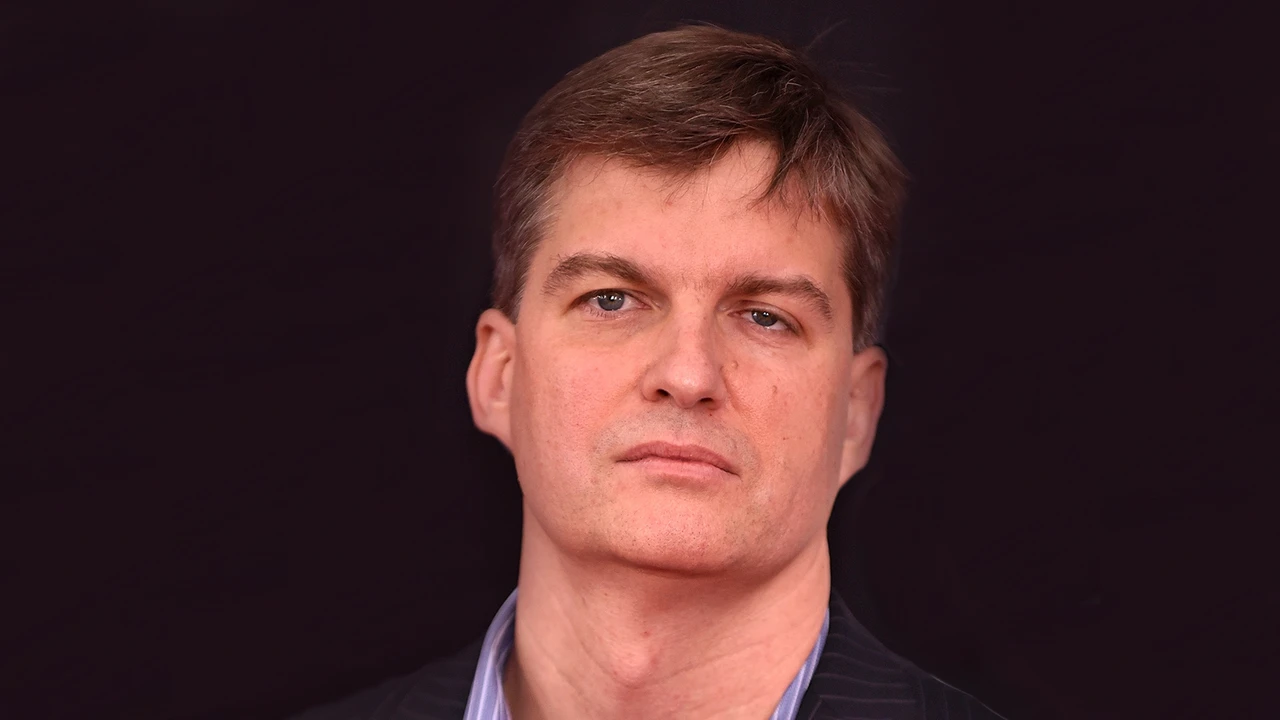
In the high-stakes world of investing, few names carry the weight of Michael Burry. The contrarian investor immortalized in The Big Short for his prescient bet against the subprime mortgage market in 2008 has once again turned his sharp gaze toward a market darling: Tesla Inc. (TSLA). On December 1, 2025, in a post on his newly launched Substack newsletter Cassandra Unchained, Burry didn’t mince words, declaring Tesla’s market capitalization “ridiculously overvalued today and has been for a good long time.” This isn’t idle chatter—Burry has reportedly placed a short bet against the electric vehicle giant’s shares, signaling his conviction that the stock’s lofty perch is unsustainable.
Burry’s critique comes at a pivotal moment for Tesla. The company’s shares have surged in recent years, fueled by hype around artificial intelligence, autonomous driving, and humanoid robots. As of the latest close, Tesla’s stock trades at approximately 209 times its forward earnings—a staggering multiple compared to its own five-year average of 94 and the S&P 500’s modest 22. Even more starkly, Tesla’s price-to-earnings ratio exceeds 250, dwarfing those of traditional automakers like Ford or General Motors, which hover in the single digits or low teens. For Burry, a value investor at heart, this disparity screams overvaluation, untethered from the company’s underlying fundamentals.
The ‘Tragic Algebra’ of Dilution and Compensation
One of Burry’s sharpest barbs targets Tesla’s capital structure. He highlights the company’s annual stock dilution of about 3.6%, driven largely by stock-based compensation with no offsetting share buybacks—a practice he dubs the “tragic algebra” of executive pay. This erosion of shareholder value is exacerbated by CEO Elon Musk’s controversial compensation package, approved by shareholders in 2018 and recently under judicial scrutiny. If performance milestones are met, Musk could pocket up to $1 trillion in Tesla stock over the next decade, further flooding the market with shares and diluting existing owners.
Burry’s disdain for this setup isn’t new; he’s long criticized how tech giants, including Tesla, use equity grants to mask the true cost of talent retention. In an era where buybacks have become a staple for returning capital to shareholders—think Apple or Microsoft—Tesla’s refusal stands out as a red flag. “Tesla dilutes its stock by 3.6% a year, and offers no buybacks,” Burry wrote, underscoring how this dynamic compounds the stock’s frothiness.
The Elon Cult and the Mirage of Innovation
Beyond the numbers, Burry skewers the narrative surrounding Tesla’s growth story. He mocks what he calls the “Elon cult,” a fervent fanbase that has repeatedly pivoted its enthusiasm as realities intrude. “The Elon cult was all-in on electric cars until competition showed up, then all-in on autonomous driving until competition showed up, and now is all-in on robots—until competition shows up,” he quipped in his post. This isn’t just snark; it’s a pointed critique of Tesla’s reliance on hype over execution.
Indeed, Tesla’s early dominance in EVs has waned as rivals like BYD, Rivian, and legacy players such as Volkswagen ramp up their offerings. Promises of full self-driving (FSD) technology remain mired in regulatory hurdles and safety concerns, while the buzz around Optimus humanoid robots feels more like vaporware than viable revenue. Burry, who recently lambasted AI valuations as a bubble, sees Tesla’s AI-adjacent ambitions—robotaxis, anyone?—as more of the same: speculative bets inflating a valuation that already prices in perfection.
A Pattern of Bold Bets
Burry’s Tesla takedown fits his maverick style. He’s no stranger to shorting overhyped assets; his housing crisis windfall came from spotting systemic risks others ignored. More recently, his portfolio—disclosed via quarterly 13F filings—has swung wildly, from Japanese banks to Chinese tech, always hunting for mispricings. Tesla, with its $1.2 trillion market cap (as of December 2025), represents the kind of “crowded trade” Burry despises: a stock beloved by retail investors and institutions alike, propped up by memes and momentum rather than margins.
Critics might dismiss Burry as a perma-bear, pointing to Tesla’s resilience through past downturns. After all, the company delivered record deliveries in Q4 2024 and continues to innovate in battery tech and energy storage. But Burry’s track record demands attention. When he speaks, markets listen—and sometimes shudder.
What It Means for Investors
For Tesla bulls, Burry’s short is just noise in a sea of optimism. Elon Musk’s vision of a robotaxi fleet and sustainable energy empire still captivates, and upcoming earnings could reignite the rally. Yet for value seekers, Burry’s analysis serves as a sobering reminder: In investing, as in life, what goes up on dreams must eventually come down to earth.
As Burry closes his post with characteristic flair, the question lingers: Will Tesla’s story end in triumph or tragedy? Only time—and perhaps a market correction—will tell. For now, the “Oracle of Value” has drawn his line in the sand.