
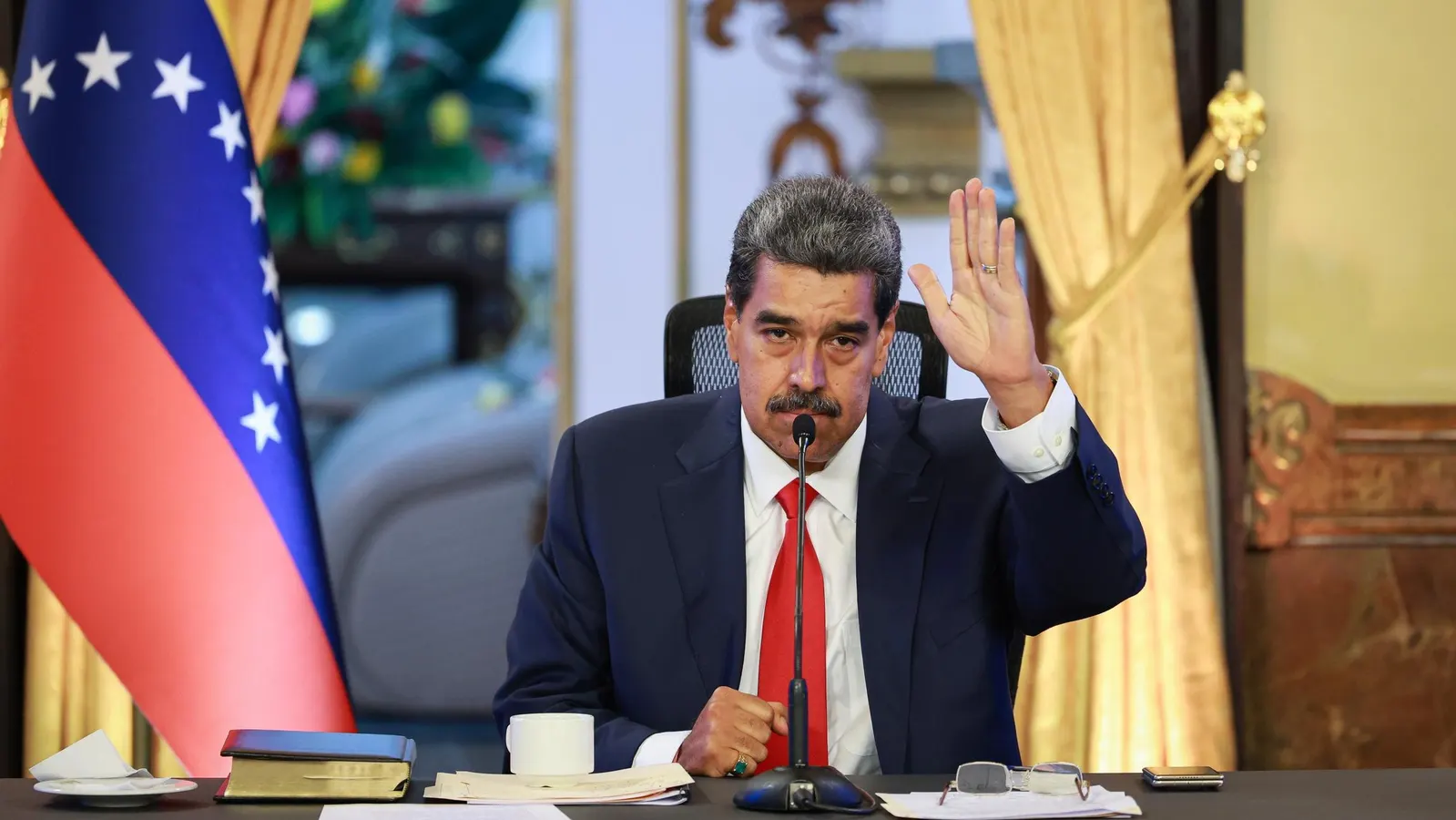
In a dramatic announcement on December 10, 2025, President Donald Trump revealed that the United States had seized a massive oil tanker off the coast of Venezuela, marking a significant intensification in the ongoing confrontation with the regime of Nicolás Maduro. Described by Trump as “a large tanker, very large, the largest one ever seized actually,” the move underscores the administration’s aggressive “maximum pressure” campaign against Caracas, blending economic sanctions with military actions in the Caribbean. This incident, occurring amid heightened tensions, has sparked immediate reactions from global observers, raised questions about international law, and hinted at further undisclosed operations.
The seizure represents not just a tactical victory for the U.S. but a potential turning point in the long-standing U.S.-Venezuela standoff. As oil prices ticked upward in response, the world watches to see if this act of maritime interdiction could precipitate broader conflict or force regime change in the oil-rich South American nation.
Historical Context: A Decade of Deteriorating Relations
To understand the gravity of this event, one must revisit the fractured history between the United States and Venezuela. Once a key oil supplier to the U.S., Venezuela’s trajectory shifted dramatically under the late Hugo Chávez and his successor, Nicolás Maduro. The socialist policies of Chavismo, coupled with allegations of corruption, human rights abuses, and electoral fraud, led to a sharp decline in diplomatic ties during the first Trump administration (2017-2021) and persisted through the Biden years.
In 2019, the U.S. recognized opposition leader Juan Guaidó as Venezuela’s legitimate president, imposing sweeping sanctions on the state-owned oil company PDVSA to cripple Maduro’s revenue streams. These measures forced Venezuela to rely on shadowy networks for oil exports, often involving Iran, Russia, and China—nations also under U.S. sanctions. By 2025, Venezuela’s oil production had plummeted from over 2 million barrels per day in the early 2010s to around 900,000, with much of it discounted heavily to buyers willing to navigate the sanctions maze.
The Trump administration’s return in 2025 has revived the “maximum pressure” doctrine. Recent months have seen U.S. forces conduct deadly strikes on over 20 suspected drug-trafficking vessels in Caribbean waters, resulting in at least 87 fatalities. Trump has publicly declared Maduro’s “days are numbered,” refusing to rule out direct military intervention. This rhetoric echoes the 2020 indictment of Maduro on narco-terrorism charges by the U.S. Department of Justice, framing his regime as a criminal enterprise intertwined with drug cartels and terrorist groups.
Against this backdrop, the tanker seizure fits into a pattern of escalating actions. It follows the reimposition of oil sanctions in July 2025, despite a temporary Chevron license allowing limited U.S. operations in Venezuela. Experts argue that such moves aim to starve the Maduro government of funds, potentially paving the way for opposition figures like Nobel Peace Prize winner María Corina Machado, who has been in hiding since January 2025 and was barred from attending her award ceremony in Oslo.
Details of the Seizure: Operation and the Vessel Involved
The operation unfolded in the early hours of December 10, 2025, in international waters near Venezuela’s coast. Led by the U.S. Coast Guard with support from Navy assets, the interdiction targeted the tanker identified as the Skipper (formerly known as Adisa). The vessel, flying under a false flag, was carrying Venezuelan Merey heavy crude oil, likely destined for Cuba or onward to intermediaries in China via clandestine routes.
U.S. officials justified the seizure under a judicial warrant, citing the tanker’s prior involvement in smuggling Iranian oil, which violated U.S. sanctions. There was no reported resistance from the crew, and the action was described as meticulously planned over months. Trump, speaking at a White House event, emphasized the tanker’s enormity, noting it as the “largest one ever seized.” When pressed on the cargo’s fate, he suggested the U.S. would “keep” the oil, a statement that has fueled accusations of state-sponsored piracy from critics.
The Skipper‘s cargo, owned by a businessman with ties to Maduro, represents a substantial financial blow. Analysts estimate that such seizures could strand more Venezuelan oil at sea, deterring shippers and exacerbating the regime’s economic woes. This incident echoes the 2020 U.S. seizure of Iranian oil tankers bound for Venezuela, but its scale and timing amplify the stakes.
Trump’s Announcement and Cryptic Tease
President Trump’s revelation came during a routine White House briefing, where he casually informed reporters: “As you probably know, we’ve just seized a tanker on the coast of Venezuela—large tanker, very large, largest one ever seized, actually.” He added an enigmatic note: “Other things are happening” that would be revealed “later,” sparking speculation about additional military or covert operations in the region.
This offhand style is characteristic of Trump, who has used such announcements to project strength and keep adversaries off-balance. Supporters on platforms like X (formerly Twitter) hailed it as a decisive move against a “narco-terrorist” regime, with one prominent user, Tony Seruga, detailing the operation’s implications for Venezuela’s oil exports. Fox News amplified the story, framing it as a “sharp escalation” in tensions.
Reactions: From Outrage to Applause
The announcement elicited swift and polarized responses. In Venezuela, while Maduro has yet to comment publicly, state media has long accused the U.S. of plotting to “steal” the country’s vast oil reserves—the world’s largest proven. Opposition leader Machado, dedicating her Nobel Prize partly to Trump for his support, may view this as a boost to her cause.
Internationally, critics decried the move as aggressive. On X, users like Howard Breen labeled Trump a “MAGA Pirate of the Caribbean,” arguing it risks broader conflict. Progressive voices, including the account Call to Activism, called it “unhinged” piracy, especially given Trump’s intent to retain the oil. Conversely, pro-Trump posters celebrated it as a stand against socialism, with one user quipping that size doesn’t mitigate the political impact.
China and Russia, key allies of Maduro, are likely to protest, viewing it as interference in sovereign affairs. Oil markets reacted modestly, with Brent crude rising 0.4% to $62.21 per barrel and WTI up 0.4% to $58.46, reflecting concerns over supply disruptions.
Broader Implications: Oil, Geopolitics, and the Risk of War
This seizure could reshape global energy dynamics. Venezuela’s oil, already discounted due to sanctions, may face further hurdles, benefiting competitors like Russia and Iran—ironically, also U.S. adversaries. For the U.S., retaining the cargo aligns with efforts to isolate Maduro economically, but it raises legal questions under international maritime law.
Geopolitically, it heightens the risk of retaliation. Maduro could respond with asymmetric actions, such as cyberattacks or alliances with anti-U.S. actors. The U.S. military buildup in the Caribbean, including warships and aircraft, suggests preparedness for escalation. Analysts warn that a miscalculation could lead to open conflict, especially if “other things” Trump alluded to involve ground incursions.
In the broader context of Trump’s foreign policy, this act reaffirms a muscular approach, prioritizing U.S. interests over multilateralism. It may embolden allies like Colombia while alienating left-leaning Latin American governments.
Looking Ahead: Maduro’s Fate and U.S. Strategy
As the dust settles, the world awaits Maduro’s response and any revelations about Trump’s “other things.” This seizure may accelerate regime change efforts, particularly with Machado’s international spotlight. However, history shows sanctions alone rarely topple entrenched leaders; military action remains a wildcard.
In summary, the U.S. seizure of the Skipper is more than a headline—it’s a calculated strike in a high-stakes game over oil, power, and influence in the Americas. Whether it leads to resolution or further chaos remains to be seen, but one thing is clear: the Trump administration is not backing down.