
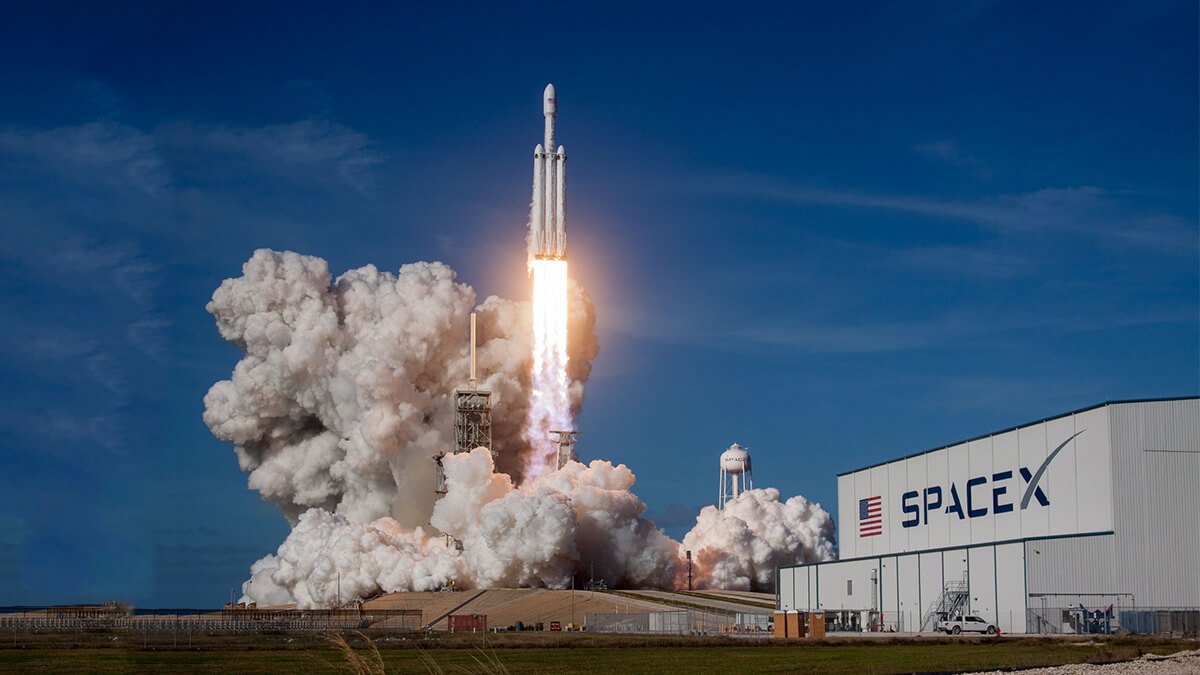
Elon Musk’s SpaceX, the pioneering aerospace company behind reusable rockets and the world’s largest satellite constellation, is gearing up for what could become the largest initial public offering (IPO) in history. Reports from Bloomberg, Reuters, The Wall Street Journal, and The New York Times indicate that SpaceX is targeting a mid-to-late 2026 listing, potentially valuing the company at around $1.5 trillion and raising more than $30 billion—surpassing Saudi Aramco’s 2019 record of $29 billion raised.
This marks a significant shift from earlier plans, where SpaceX considered spinning off its Starlink satellite internet business separately while keeping core rocket operations private. Now, the full company—including launches, Starship development, and Starlink—appears headed to public markets.
Why Now? Drivers Behind the IPO
SpaceX has long resisted going public, with Musk citing the volatility of public markets and a preference for long-term vision over quarterly pressures. However, several factors are converging:
- Explosive Growth in Starlink: The satellite broadband service is the primary revenue driver. SpaceX projects $15 billion in total revenue for 2025, rising to $22–24 billion in 2026, with Starlink accounting for the majority. With over 6 million customers and expansions into direct-to-mobile services, Starlink is nearing profitability and global scale.
- Capital Needs for Ambitious Projects: Funds from the IPO would accelerate:
- Rapid development and testing of Starship, the massive reusable rocket designed for Mars missions, lunar landings, and high-flight-rate operations.
- Building space-based AI data centers—a novel idea Musk has floated to leverage unlimited solar power and extreme cold for cooling, bypassing Earth’s energy constraints.
- Moon bases and uncrewed (and eventually crewed) Mars missions.
- Employee and Investor Liquidity: A recent insider share sale valued SpaceX at approximately $800 billion (up from $400 billion earlier in 2025), providing liquidity via tender offers. The IPO would open shares to a broader investor base.
Musk indirectly confirmed the plans on X (formerly Twitter), responding to a detailed analysis by Ars Technica journalist Eric Berger with “As usual, Eric is accurate.”
A Shift from Past Stance
Historically, Musk has favored keeping SpaceX private to pursue bold goals like colonizing Mars without short-term investor scrutiny. In 2020, he mentioned a potential Starlink spin-off IPO once revenue stabilized, prioritizing retail investors. Company president Gwynne Shotwell once tied a full IPO to regular Mars flights.
The change reflects maturing businesses (Starlink’s revenue predictability) and massive capital requirements for next-gen projects. A public listing could also align with regulatory thresholds for large private companies with many shareholders.
Market Impact and Investor Excitement
News of the potential IPO has rippled through markets:
- Shares in related space firms like Rocket Lab and EchoStar surged.
- Analysts predict a revival in the IPO market, with SpaceX’s deal potentially unlocking institutional capital for the sector.
- At a $1.5 trillion target, it would dwarf most public companies and test appetite for high-valuation, visionary tech plays.
Investors are buzzing: Some call it the “craziest IPO ever,” driven by retail enthusiasm for Musk’s brands (evident in Tesla’s performance). Risks include execution challenges with Starship, regulatory hurdles, and Musk’s polarizing style.
What’s Next?
Plans remain fluid—timing could slip to 2027 depending on markets, Starship progress, and regulations. SpaceX has begun discussions with banks, potentially eyeing a June/July 2026 debut.
If successful, this IPO wouldn’t just mint billionaires (Musk owns a significant stake); it could accelerate humanity’s multi-planetary future while reshaping AI infrastructure and global connectivity. For now, private investors enjoy secondary market access, but public markets await what may be the defining listing of the decade.