
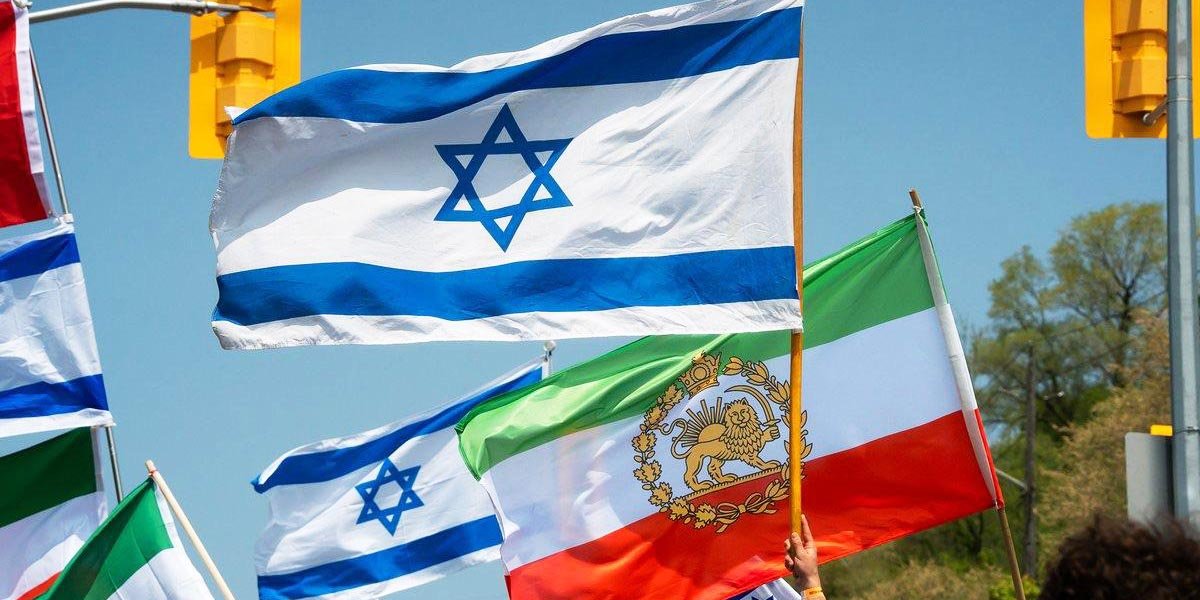
As of December 13, 2025, Iraq and Lebanon continue to serve as critical footholds for the Islamic Republic of Iran’s regional ambitions, even after a year of devastating blows to its “Axis of Resistance.” From an Israeli security perspective and the viewpoint of anti-regime Iranians—who regard the Tehran regime as a direct threat to regional stability, Israeli security, and Iranian freedom—the failure to fully dismantle Iranian influence in these countries is a profound strategic concern. Israel’s 2024 military campaign degraded Hezbollah significantly, while the fall of Bashar al-Assad in Syria and Iran’s own setbacks in the June 2025 Israel-Iran war fractured Tehran’s network. Yet, Iranian-backed proxies in Iraq and Lebanon have adapted, embedding deeper into state structures and exploiting local sectarian dynamics to maintain power. This article examines the historical roots, current statistics, and ongoing threats posed by these proxies.
Historical Context: Iran’s Post-2003 Expansion
Iran’s influence in Iraq exploded after the 2003 U.S.-led invasion toppled Saddam Hussein, creating a power vacuum that Tehran swiftly filled through Shia militias. By 2014, as ISIS rampaged across Iraq, Iran mobilized these groups into the Popular Mobilization Forces (PMF), formalized under Iraqi law in 2016. The PMF, now comprising over 200,000 fighters with a budget exceeding $2.6 billion in recent allocations, became a parallel army loyal to Tehran rather than Baghdad. Key Iran-backed factions like Kata’ib Hezbollah and Asa’ib Ahl al-Haq have dominated politics, securing seats and ministries through the ethno-sectarian muhasasa system introduced post-2003.
In Lebanon, Iran’s support for Hezbollah dates to the 1980s, transforming the group into a state-within-a-state. Hezbollah’s arsenal peaked at an estimated 150,000 rockets pre-2024, funded by billions in Iranian aid. The 2006 war with Israel killed over 1,200 Lebanese (mostly civilians) and 165 Israelis, yet Hezbollah emerged politically stronger. Cross-border skirmishes persisted until the 2023-2024 escalation, triggered by Hezbollah’s solidarity attacks following Hamas’s October 7 assault.
These historical entrenchments allowed Iran to project power, deter Israel, and export its revolutionary ideology—directly threatening Israeli cities and Iranian dissidents dreaming of regime change.
Iraq: Militias Consolidate Power Amid Elections
The November 11, 2025, Iraqi parliamentary elections highlighted the enduring strength of Iran-backed forces. Official turnout reached 56.11% (over 12 million voters out of 21.4 million eligible), a marked increase from 41-43% in 2021, reflecting mobilized bases rather than broad reform enthusiasm. Prime Minister Mohammed Shia al-Sudani’s coalition secured the most seats (around 46 in preliminary counts), but Iran-aligned groups within the Shia Coordination Framework— including those tied to the PMF—retained significant influence, with militia-linked parties gaining ground.
The PMF’s integration into state structures remains a core Iranian victory. Despite U.S. efforts, including the 2026 NDAA conditions tying aid to curbing militia sway, PMF brigades operate semi-autonomously. U.S. troop levels have dropped to under 2,000 (from 2,500 earlier in 2025), mostly in Erbil, limiting leverage. During the 2025 Israel-Iran war, Iraqi militias restrained attacks to focus on elections, preserving political gains over escalation for Tehran.
Corruption fuels this entrenchment: Iraq scored 26/100 on Transparency International’s 2024 Corruption Perceptions Index (improved from 23 but still ranking ~140/180), with elites siphoning oil revenues through patronage. For Israelis, PMF proximity enables potential rocket threats; for anti-regime Iranians, it exemplifies how the mullahs export oppression, squandering resources on proxies while Iranians face economic collapse.
Lebanon: Hezbollah’s Partial Retreat but Lingering Threat
Hezbollah entered the 2023-2024 conflict with overwhelming firepower but emerged battered. The war killed over 3,000 in Lebanon (far exceeding the ~1,200 in 2006), including thousands of Hezbollah fighters (estimates up to 4,000, though officially ~521 named). Israel’s campaign destroyed much of Hezbollah’s arsenal—depleting rockets, tunnels (74 discovered post-ceasefire), and launchers (175 seized)—and decapitated leadership, including Hassan Nasrallah.
The November 27, 2024, U.S.-brokered ceasefire mandated Hezbollah’s withdrawal south of the Litani River, Lebanese Army (LAF) deployment (10,000 troops), and Israeli pullback. Progress includes LAF control of southern posts and destruction of caches, but full disarmament stalls. Hezbollah relocated arms northward, citing Israeli violations: over 500-669 airstrikes post-ceasefire, killing ~330-331 (including 127 civilians) and injuring ~945. Israel occupies five southern points, justifying strikes as preventing rearmament.
As the U.S.-imposed December 31, 2025, deadline approaches, Hezbollah resists nationwide disarmament, exploiting ongoing strikes for justification. Reconstruction costs ~$11 billion, with 80,000+ displaced, yet Hezbollah’s Shia base and sectarian system delay state monopoly on arms.
Israeli analysts see this as an existential risk—Hezbollah’s remnants could rebuild via Iranian smuggling. Anti-regime Iranians view it as prolonging the mullahs’ survival, diverting funds from domestic crises.
Why Tehran’s Influence Persists: Statistics and Structural Barriers
- Proxy Resilience: Regional setbacks (Assad’s fall, Hezbollah’s losses) forced adaptation—militias prioritize politics in Iraq, minimal compliance in Lebanon—avoiding actions inviting decisive Israeli response.
- Sectarian Entrenchment: Muhasasa in Iraq and confessionalism in Lebanon empower proxies; change risks civil war.
- Insufficient External Pressure: U.S. conditions (e.g., NDAA aid ties) and Israeli strikes create leverage but inconsistent enforcement allows delays. Sovereignty rhetoric deflects intervention.
- Iran’s Strategy: Proxies deter attacks on Iran; even depleted, they export instability and sustain regime legitimacy.
Statistics underscore threats: Iraq’s low corruption score enables elite capture; Lebanon’s post-ceasefire violations (~10,000 total, mostly Israeli) perpetuate cycles.
Conclusion: An Urgent Threat Requiring Decisive Action
As 2025 closes, Iraq and Lebanon demonstrate the Iranian regime’s cunning resilience. Israel’s operations opened unprecedented windows, yet without rigorous enforcement—full aid conditionality, deadline adherence, and support for nationalists—Tehran’s proxies endure. For Israel, this means persistent border threats; for anti-regime Iranians, delayed internal collapse. Neutralizing these implants demands coordinated pressure: empowering sovereign institutions over Iranian extensions. Until then, the axis threatens Israel, oppresses Iranians, and destabilizes the region.