
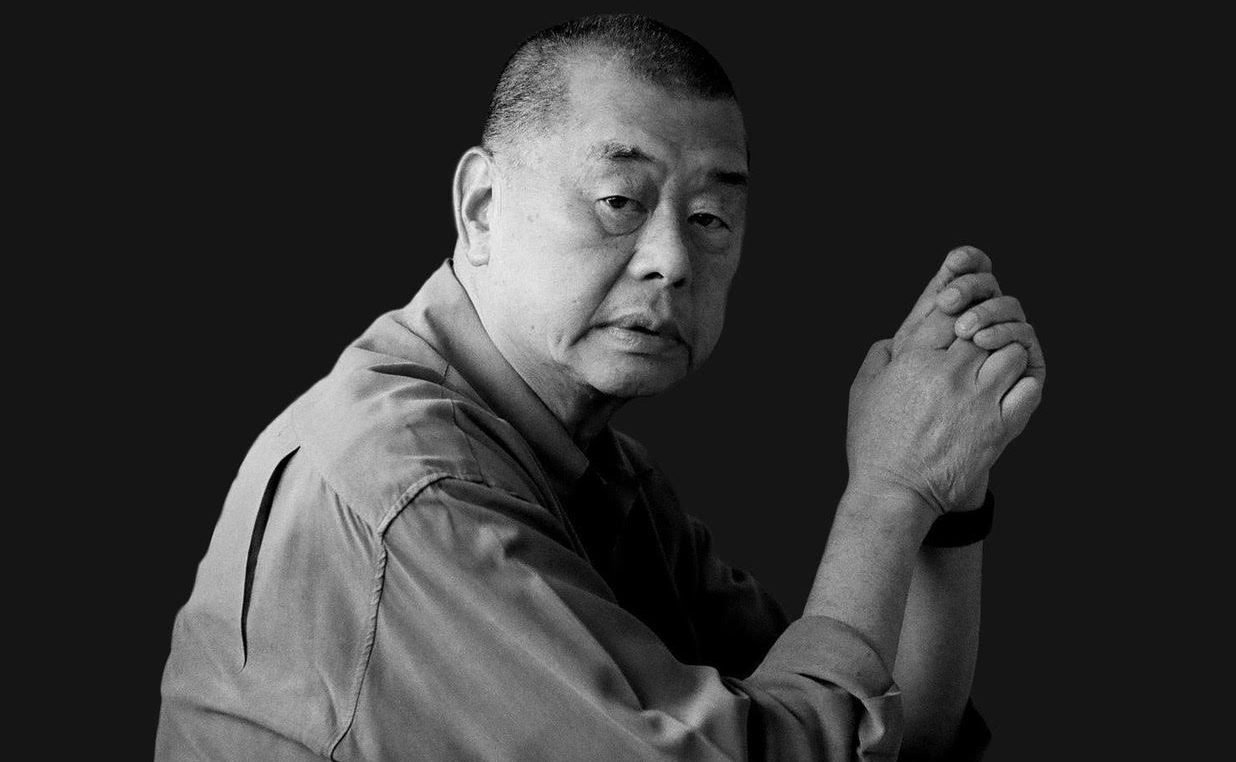
Jimmy Lai Chee-ying, born on December 8, 1947, in Guangzhou, China, is a self-made Hong Kong billionaire, media mogul, pro-democracy activist, and one of Beijing’s most outspoken critics. His life story embodies the classic rags-to-riches tale under Hong Kong’s once-vibrant free-market system, but it has ended in prolonged imprisonment under China’s tightening grip on the city.
Early Life and Rise to Wealth
Lai grew up in poverty during China’s turbulent Mao era. At age 12, in 1960, he stowed away on a boat to Hong Kong, arriving with nothing. He began working as a child laborer in factories, eventually rising to management roles in the garment industry.
In 1981, Lai founded Giordano, a casual clothing retailer that expanded rapidly across Asia, making him a millionaire. Giordano became known for its affordable fashion and grew to hundreds of stores. However, Lai’s growing political voice would soon clash with his business interests.
Pivot to Media and Activism After Tiananmen
The turning point came with the 1989 Tiananmen Square massacre, where Chinese troops crushed pro-democracy protests in Beijing. Horrified, Lai became an outspoken critic of the Chinese Communist Party (CCP). He printed T-shirts with images of student leaders and distributed them through Giordano.
In retaliation, Chinese authorities blacklisted Giordano stores on the mainland in the mid-1990s. Lai sold his stake in the company and used the proceeds to enter the media world.
In 1990, he launched Next Magazine, a popular weekly. In 1995, he founded Apple Daily, a tabloid-style newspaper blending celebrity gossip, investigative journalism, and fierce criticism of Beijing and Hong Kong authorities. Under his company Next Digital (later Next Media), these outlets became hugely influential, with Apple Daily reaching peak circulation as one of Hong Kong’s top papers.
Lai, a Catholic convert (baptized in the late 1990s), credited books like Friedrich Hayek’s The Road to Serfdom for inspiring his fight for freedom. He bankrolled pro-democracy causes and personally joined protests.
Role in Hong Kong’s Pro-Democracy Movements
Lai was a fixture in major protests:
- He supported the 2003 demonstrations against proposed national security legislation, which forced the government to shelve the bill.
- In 2014, during the Umbrella Movement for genuine universal suffrage, Lai was arrested for the first time.
- In 2019, amid massive anti-extradition bill protests that evolved into a broader pro-democracy movement, Apple Daily provided extensive, sympathetic coverage and called for international pressure on China.
Lai met with foreign officials, including U.S. figures, advocating for sanctions against Chinese and Hong Kong officials accused of rights abuses.
Arrest, Trial, and Guilty Verdict
In June 2020, Beijing imposed the National Security Law (NSL) on Hong Kong, criminalizing secession, subversion, terrorism, and collusion with foreign forces – broadly interpreted to target dissent.
On August 10, 2020, police raided Apple Daily‘s offices, arresting Lai and executives on collusion charges. Assets were frozen, forcing the newspaper to close in June 2021 – its final edition sold out rapidly as a symbol of defiance.
Lai has faced multiple charges, including unauthorized assembly (from 2019 protests) and fraud. He has been detained since December 2020, much in solitary confinement at Stanley Prison.
His landmark NSL trial began in December 2023, lasting 156 days without a jury (a change under NSL allowing judge-only trials). Prosecutors accused him of being the “mastermind” of a conspiracy to lobby foreign countries for sanctions and publishing seditious articles in Apple Daily.
Lai testified for 52 days, defending his actions as protected free speech. Closing arguments ended in August 2025.
On December 15, 2025, a Hong Kong court found Lai guilty on two counts of conspiracy to collude with foreign forces under the NSL and one count of conspiracy to publish seditious publications. He faces a possible life sentence, with sentencing pending. The verdict has drawn global condemnation as emblematic of eroding press freedom and judicial independence in Hong Kong.
Legacy and International Response
A British citizen, Lai has received awards like the 2021 Golden Pen of Freedom and 2025 World Press Freedom Hero. Governments including the US, UK, and others, along with rights groups, have called for his release, viewing his case as politically motivated.
At 78, Lai remains defiant, telling courts he fights for Hong Kong’s core values: freedom, rule of law, and democracy. His story highlights the dramatic shift in Hong Kong from a bastion of liberties to a city where dissent is increasingly silenced.