
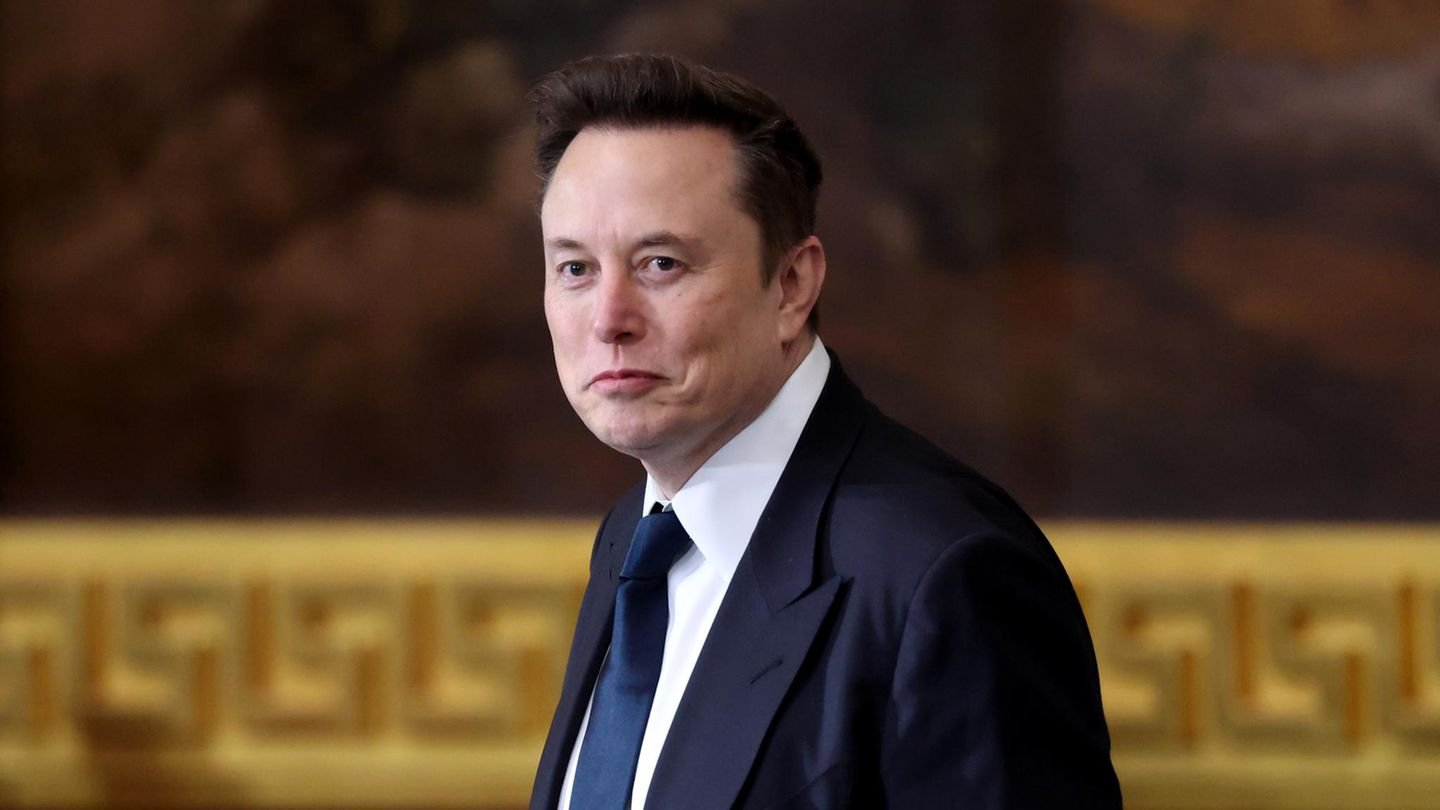
The Delaware Supreme Court delivered a landmark ruling that reinstated Elon Musk’s controversial 2018 CEO performance award from Tesla, valued at approximately $139 billion based on the company’s closing stock price that day. This decision caps a seven-year legal battle that captivated the business world, raised profound questions about executive compensation, corporate governance, and shareholder rights, and even influenced Tesla’s decision to reincorporate in Texas.
The unanimous ruling overturned a lower court’s rescission of the package, deeming full cancellation “inequitable” as it would leave Musk uncompensated for six years of leadership that propelled Tesla’s market capitalization from around $50 billion to over $1 trillion. Instead, the court awarded nominal damages of $1 to the plaintiff. This victory for Musk comes alongside a separate, even larger shareholder-approved compensation plan potentially worth up to $1 trillion.
Historical Background: The Birth of the Record-Breaking Package
In early 2018, Tesla was at a pivotal moment. The company, founded in 2003, had revolutionized the electric vehicle (EV) industry but faced immense challenges: ramping up production of the Model 3, navigating financial pressures, and competing in a skeptical market dominated by traditional automakers. Elon Musk, who had taken over as CEO in 2008, owned about 22% of the company but had received no salary since joining. His compensation was tied entirely to ambitious performance milestones.
On January 21, 2018, Tesla’s board—excluding Musk and his brother Kimbal—approved a 10-year performance-based stock option award. The package consisted of 12 tranches, each granting options for roughly 1% of Tesla’s shares (later adjusted to 303 million shares post-stock splits). To vest, Tesla needed to achieve escalating market capitalization targets (starting at $100 billion and reaching $650 billion) alongside operational milestones like revenue and EBITDA goals.
Shareholders overwhelmingly approved it on March 21, 2018, with strong support even excluding Musk’s shares. At the time, the package’s maximum grant-date value was estimated at $2.6 billion, but its potential payout was tied to extraordinary growth—goals many analysts deemed nearly impossible.
Musk achieved all 12 tranches by 2022, as Tesla’s market cap soared amid the EV boom, production scaling, and innovations like the Gigafactories.
The Lawsuit: A Shareholder’s Challenge
The package didn’t go unchallenged. In 2018, Richard J. Tornetta—a Tesla shareholder owning just nine shares—filed a derivative lawsuit in the Delaware Court of Chancery against Musk and the board. Tornetta alleged breaches of fiduciary duty: the board was conflicted due to personal ties to Musk (including his brother and longtime friends), key details were withheld from shareholders, and the package’s size was excessive.
Delaware’s Court of Chancery, a specialized business court handling most U.S. corporate disputes (as many companies, including Tesla then, were incorporated there), oversaw the case.
Key Milestones in the Legal Battle
- 2018: Package approved by board and shareholders; lawsuit filed shortly after.
- 2022-2023: Musk unlocks all tranches as Tesla hits milestones.
- January 2024: After a five-day trial where Musk testified, Chancellor Kathaleen McCormick voids the package, calling it an “unfathomable sum.” She ruled the process flawed under the “entire fairness” standard due to conflicts and inadequate disclosures.
- June 2024: Tesla shareholders “ratify” the 2018 package in a second vote, with over 70% approval, in an attempt to cure defects.
- December 2024: McCormick reaffirms her ruling, rejecting the ratification as insufficient to overturn the judgment.
- 2025: Tesla appeals to the Delaware Supreme Court. Oral arguments in October. Meanwhile, Tesla reincorporates in Texas amid Musk’s criticism of Delaware’s courts. In November 2025, shareholders approve a new, separate performance award potentially worth $1 trillion if even loftier goals are met.
- December 19, 2025: Delaware Supreme Court reverses the rescission remedy, reinstating the package. Justices note varying views on liability but agree full cancellation was too harsh, leaving Musk uncompensated for transformative achievements.
Implications and Broader Context
The ruling underscores tensions in corporate governance: balancing incentives for visionary leaders against protections for shareholders. Proponents argue Musk’s package aligned interests perfectly—Tesla’s explosive growth (market cap up over 20x since 2018) benefited all investors. Critics, including some institutional funds, worried about dilution and unchecked power.
Musk’s backlash against the initial voiding prompted Tesla’s move to Texas, sparking debates on Delaware’s dominance in corporate law. The new Texas incorporation includes barriers to similar lawsuits, requiring significant share ownership to sue.
With the 2018 package restored (now ~$139-155 billion) and a $1 trillion future plan in place, Musk’s compensation remains unprecedented—cementing his status as the world’s richest person while fueling Tesla’s ambitions in EVs, autonomy, robotics, and beyond.
This saga highlights how executive pay, especially performance-tied, can drive innovation but invite scrutiny in an era of rising inequality and activist shareholders. For Tesla, the resolution removes a major overhang, potentially boosting investor confidence as the company navigates competition and new frontiers.