
In a significant escalation of tensions with Caracas, the White House has directed U.S. military forces to prioritize the enforcement of a “quarantine” on Venezuelan oil exports for at least the next two months. This directive, revealed by a U.S. official to Reuters on December 24, shifts the focus toward intensified economic pressure rather than immediate direct military confrontation.
The USS Gerald R. Ford carrier strike group and other naval assets have been deployed to the Caribbean as part of the buildup supporting these operations.
The move comes amid a broader U.S. campaign against Venezuelan President Nicolás Maduro’s government, accused by Washington of ties to drug trafficking and terrorism financing—allegations Maduro vehemently denies.
Nicolás Maduro, Venezuela’s president, has condemned the actions as aggression aimed at regime change and seizure of the country’s vast oil reserves.
Background: From Sanctions to Maritime Interdiction
The United States has maintained sanctions on Venezuela’s oil sector since 2019, aiming to cut off revenue to the Maduro regime. However, under President Donald Trump, enforcement has dramatically intensified in recent months.
Earlier in December, Trump ordered what he described as a “total and complete blockade” of all sanctioned oil tankers entering or leaving Venezuelan ports. This followed a series of aggressive actions, including over two dozen U.S. military strikes on suspected drug-smuggling vessels in the Caribbean and Pacific, resulting in significant casualties.
The U.S. Coast Guard, supported by Navy assets, has already seized two fully loaded crude oil tankers this month and is pursuing a third—the empty sanctioned vessel known as Bella-1.
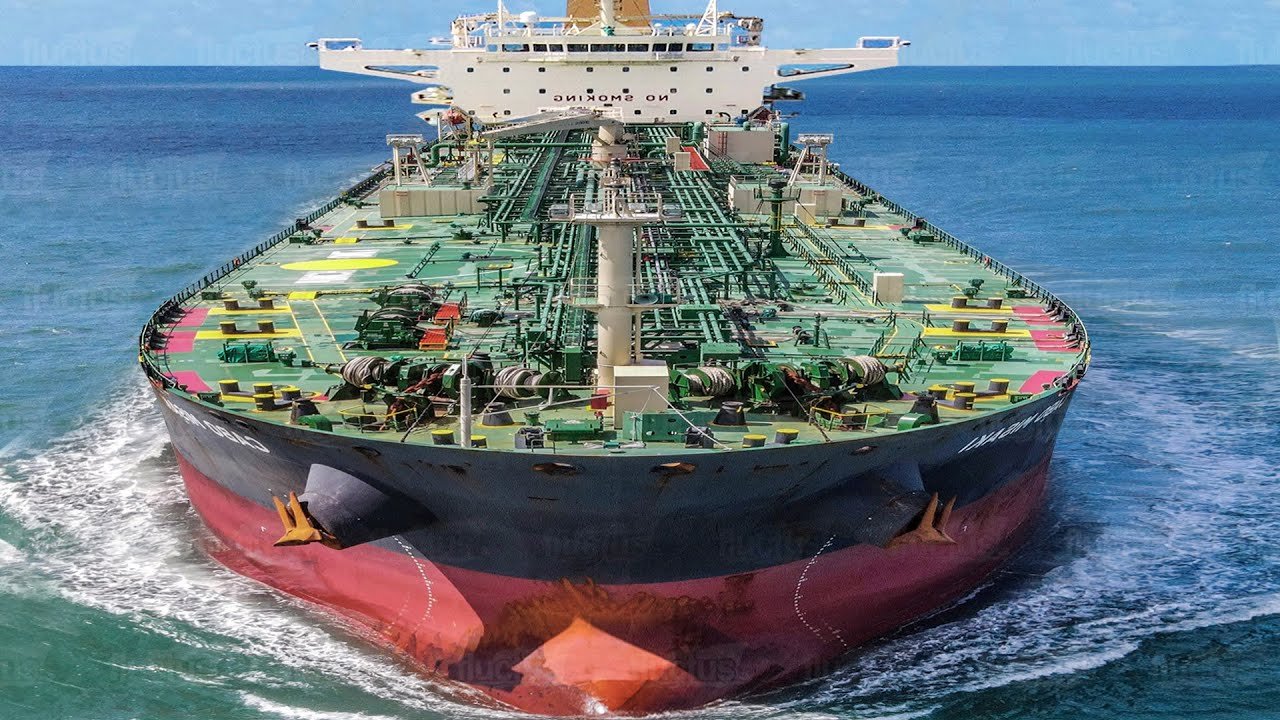
Oil tankers like these are critical to Venezuela’s economy, transporting millions of barrels of heavy crude to buyers, primarily in Asia.
These seizures have paralyzed much of Venezuela’s oil export industry, with many tankers loitering in Venezuelan waters rather than risking interdiction. Oil accounts for the vast majority of Venezuela’s foreign currency earnings, making it the regime’s economic lifeline.
The Shift to “Quarantine”: Echoes of History
Notably, the White House official used the term “quarantine” rather than “blockade.” This linguistic choice deliberately evokes President John F. Kennedy’s 1962 naval quarantine during the Cuban Missile Crisis—a measured interdiction framed as defensive to avoid the legal implications of a full blockade, which is considered an act of war under international law.
The official emphasized that while military options remain on the table, the current priority is economic pressure through sanctions enforcement. The goal: to inflict such severe strain that Venezuela faces an “economic calamity” by late January 2026 unless Maduro makes significant concessions, potentially including stepping down.
Trump has privately urged Maduro to flee the country, according to reports.
Maps of the region highlight key oil export routes through the Caribbean, now under heightened U.S. scrutiny.
International Reactions and Legal Concerns
Venezuela has fiercely condemned the actions, with its UN ambassador labeling them as aggression and piracy. Maduro has ordered Venezuelan naval escorts for some tankers, raising the risk of direct confrontation.
Four UN human rights experts have denounced the measures as an “illegal use of force” and armed aggression, prohibited under the UN Charter. The UN Security Council has discussed the issue, with calls for investigation into potential violations.
Analysts note risks: stricter enforcement could worsen Venezuela’s humanitarian crisis, increase migration, and provoke escalation if vessels resist. However, others argue it effectively cuts financial lifelines sustaining the regime.
Oil markets have reacted with upward pressure on prices, anticipating reduced Venezuelan supply—though the country’s output has already dwindled due to years of mismanagement and sanctions.
What Comes Next?
With U.S. forces—including around 15,000 troops and multiple warships—positioned in the region, the next two months will test whether this economic vise forces change in Caracas or leads to further confrontation.
The White House believes the pressure is working, but Maduro remains defiant, insisting oil trade will continue. As Christmas 2025 passes, the Caribbean Sea has become a flashpoint in one of the hemisphere’s longest-running geopolitical standoffs.
This strategy underscores Trump’s approach: maximum pressure to achieve political outcomes without full-scale invasion. Whether it succeeds remains to be seen.