
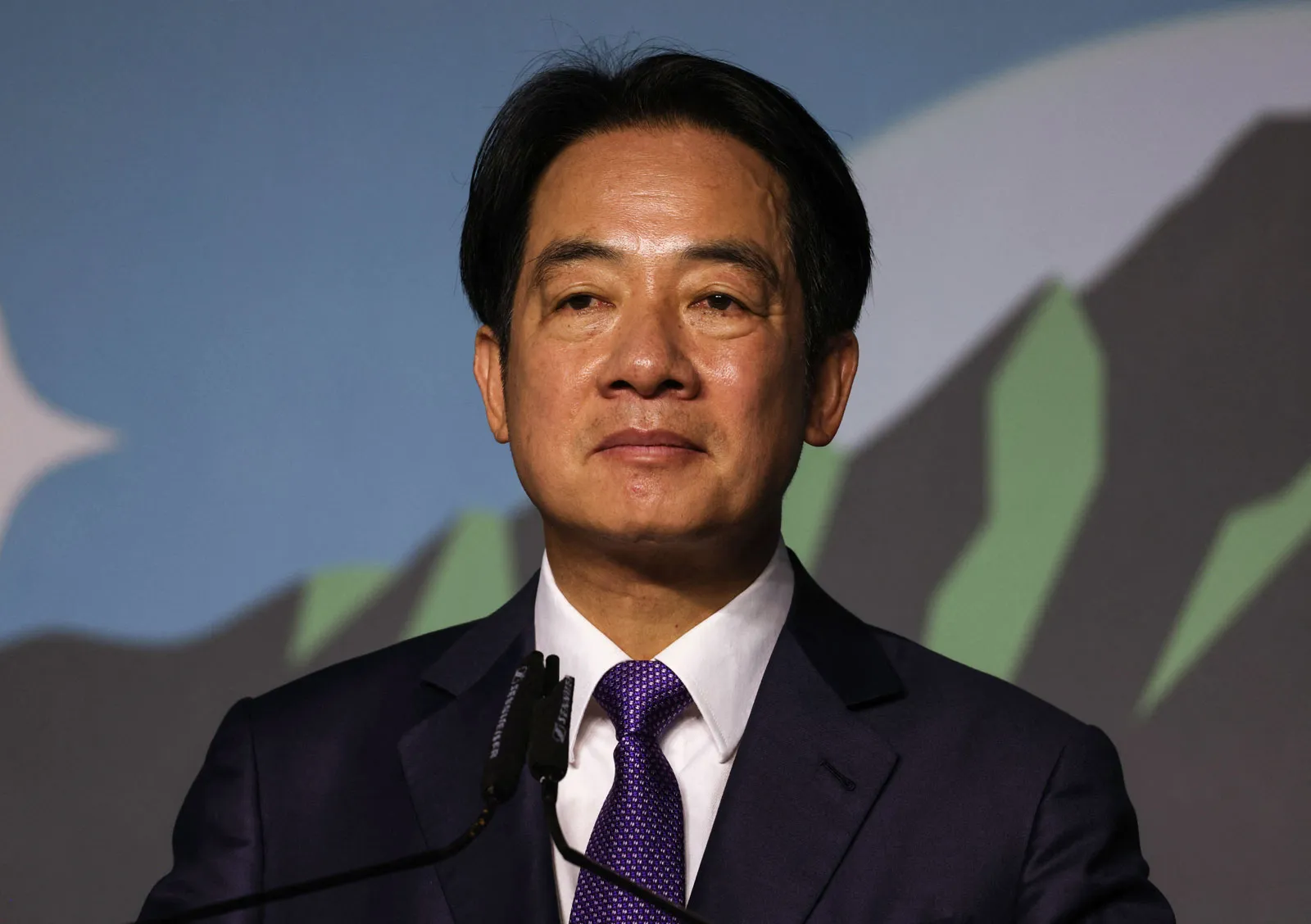
In a landmark escalation of Taiwan’s political divide, the opposition-controlled Legislative Yuan voted on December 26, 2025, to launch impeachment proceedings against President Lai Ching-te (Democratic Progressive Party, DPP). The motion, passed 60-51 by lawmakers from the Kuomintang (KMT) and Taiwan People’s Party (TPP), accuses Lai of undermining constitutional order by refusing to promulgate controversial fiscal amendments. This marks the first time in Taiwan’s democratic era that the legislature has initiated presidential impeachment.
While the vote advances the process, analysts from outlets like Bloomberg, Reuters, Al Jazeera, and Focus Taiwan describe it as a long-shot, symbolic effort. The opposition lacks the two-thirds majority (76 votes in the 113-seat legislature) required for final passage, rendering removal highly improbable.
The Trigger: Fiscal Amendments Spark Constitutional Clash
The controversy centers on amendments to the Act Governing the Allocation of Government Revenues and Expenditures, passed by the opposition legislature on November 14, 2025. The changes would redirect significantly more central tax revenues to local governments—many KMT-led—aiming to boost regional development.
On December 15, Premier Cho Jung-tai refused to countersign the bill, arguing it would breach constitutional debt limits and jeopardize fiscal stability. President Lai, citing the absent countersignature, declined promulgation—the first such refusal in modern Taiwanese history.
Opposition figures, including KMT caucus convener Fu Kun-chi and TPP Chairman Huang Kuo-chang, condemned Lai’s actions as authoritarian. At a December 19 press conference, they displayed a large impeachment petition and a photoshopped image likening Lai to historical strongman Yuan Shikai.
Pro-opposition media, such as China’s Global Times, highlighted public discontent, claiming an online petition garnered millions of signatures. However, mainstream Taiwanese sources emphasize the move’s partisan nature.
Impeachment Process and Timeline
Taiwan’s impeachment is outlined in the Additional Articles of the Constitution:
- Initiation: Requires proposal by at least half the legislators (achieved with opposition’s 60 seats).
- Passage: Needs two-thirds majority in the Legislative Yuan.
- Final Step: If passed, referred to the Constitutional Court, requiring two-thirds of justices for removal.
The legislature has outlined an extended procedure for public engagement:
- President Lai invited to address lawmakers in January and May 2026.
- Nationwide public hearings and events.
- Final vote scheduled for May 19, 2026 (symbolically, the date of Lai’s 2024 inauguration).
DPP lawmakers protested the motion as “political humiliation,” with figures like Wu Szu-yao accusing the opposition of partisanship.
Deeper Political Gridlock
This standoff reflects ongoing tensions since Lai’s narrow 2024 victory, where the DPP retained the presidency but lost legislative control. The opposition has:
- Blocked budgets and reforms.
- Advanced controversial laws (e.g., expanded legislative powers, partially overturned).
- Survived failed DPP-backed recall efforts in 2025.
The DPP views the fiscal amendments as fiscally reckless favoritism toward KMT locales. The opposition counters that Lai’s refusal disrespects legislative democracy.
International observers note risks to Taiwan’s stability amid heightened Chinese military pressure—Beijing labels Lai a “separatist.” Yet, sources like Reuters frame this as internal democratic friction rather than direct external influence.
Reactions and Prospects
The Presidential Office stated it respects constitutional processes if conducted lawfully. Premier Cho defended the countersignature refusal as a vital safeguard.
With the opposition short of votes and the Constitutional Court (currently understaffed) as a final barrier, success remains elusive. As a Taipei Times editorial warned, weaponizing impeachment for policy disputes risks eroding democratic norms.
Taiwan’s vibrant, contentious politics—often hailed as a model in Asia—face a stern test. This episode underscores the challenges of divided government in a young democracy under external scrutiny.