
Introduction
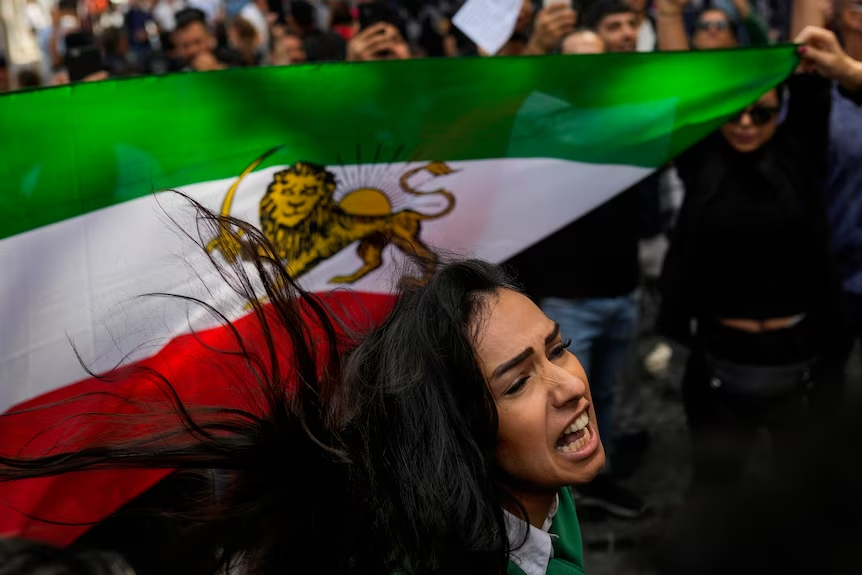
As of December 29, 2025, Iran is witnessing a resurgence of widespread protests and strikes, primarily driven by a deepening economic crisis. The Iranian rial has plummeted to historic lows against the US dollar, fueling inflation and eroding purchasing power for millions. What began as shop closures and strikes in Tehran’s bustling Grand Bazaar has rapidly escalated into street demonstrations across major cities, including Tehran, Mashhad, and beyond. Protesters are chanting slogans against the Islamic Republic’s leadership, with some invoking monarchist sentiments and calls for the return of the Pahlavi dynasty. This wave of unrest echoes previous uprisings, such as the 2019 fuel price protests and the 2022 demonstrations following the death of Mahsa Amini, but is distinguished by its focus on economic desperation amid broader grievances like corruption, human rights abuses, and environmental crises.
These protests come at a time when Iran’s economy is reeling from international sanctions, mismanagement, and the fallout from regional conflicts. The Central Bank governor’s resignation on December 29 amid the currency collapse underscores the regime’s internal turmoil. Security forces have responded with tear gas and arrests, but the movement shows no signs of abating, with trade unions and workers from various sectors joining in solidarity. This article delves into the roots, key developments, government responses, and potential implications of these protests, drawing on recent reports and eyewitness accounts.
Historical Context: A Legacy of Dissent
Iran’s modern history is punctuated by cycles of protest against authoritarian rule, economic hardship, and social restrictions. The 1979 Islamic Revolution, which overthrew the Pahlavi monarchy and established the Islamic Republic, promised justice and prosperity but has often delivered repression and inequality. Major flashpoints include:
- The 2009 Green Movement: Sparked by disputed presidential elections, millions took to the streets demanding democratic reforms. The crackdown resulted in deaths, arrests, and a hardened stance from the regime.
- The 2017-2018 Economic Protests: Triggered by rising prices and unemployment, these spread to over 100 cities, highlighting widespread discontent with corruption and economic policies.
- The 2019 Fuel Price Hikes: A sudden increase in gasoline prices led to nationwide riots, with estimates of over 1,500 deaths in the government’s violent response. This was the deadliest crackdown since the revolution.
- The 2022 Woman, Life, Freedom Uprising: Ignited by the death of Mahsa Amini in morality police custody for alleged hijab violations, this movement focused on women’s rights but expanded to calls for regime change. It resulted in hundreds of deaths and thousands of arrests, with ongoing repercussions including executions of protesters.
These events have built a resilient culture of resistance, often amplified by social media despite internet restrictions. The current protests build on this legacy, blending economic fury with long-standing demands for freedom and accountability.
Causes of the Current Unrest
The immediate catalyst for the December 2025 protests is the rial’s freefall, trading at record lows against the dollar—exceeding 700,000 rials per dollar in some black-market exchanges. This devaluation has driven inflation to over 40%, making basic goods unaffordable for many Iranians. Shopkeepers in Tehran’s Grand Bazaar, a historic economic hub, shuttered their businesses in protest, paralyzing commerce and drawing crowds to the streets.
Underlying factors include:
- Economic Mismanagement and Sanctions: Decades of corruption, coupled with US-led sanctions reimposed in 2018, have crippled Iran’s oil exports and banking sector. The regime’s allocation of resources to proxy militias in the Middle East, rather than domestic needs, has exacerbated public anger.
- Environmental Crises: Iran faces severe water shortages, with experts warning of a “Day Zero” in Tehran where taps run dry. Protests in Yasuj and other regions have highlighted regime incompetence in managing drought, pollution, and climate change impacts.
- Human Rights Abuses: Executions of dissidents continue unabated. For instance, boxing champion Mohammad Javad Vafaei Sani faces imminent execution for participating in 2019 protests, despite international outcry. The recent assassination of human rights lawyer Khosro Alikordi in Mashhad sparked days of demonstrations.
- Fuel Price Increases: In mid-December, the government raised subsidized gasoline prices for the first time since 2019, fearing a repeat of that year’s violence but proceeding amid fiscal desperation.
These issues intersect, creating a powder keg where economic pain amplifies calls for political change.
Key Events and Developments
The protests ignited on December 28, with shopkeepers in Tehran closing in response to the currency crisis. By December 29, demonstrations had spread:
- Tehran: Clashes with police on the second day, with tear gas deployed against crowds chanting anti-regime slogans. Videos show protesters confronting security forces near markets and shopping malls.
- Mashhad and Sabzevar: Three days of protests following Alikordi’s killing, with crowds chanting “Long Live the Shah” and “This is the last battle, Pahlavi will return.” Monarchist sentiments are prominent, reflecting nostalgia for pre-revolutionary stability.
- Other Regions: Strikes at the South Pars Gas Complex involved thousands of workers protesting corruption. In Joveyn, livestock farmers demonstrated over feed shortages.
Social media has played a crucial role, with videos of chants like “Death to 3 rottens: mullahs, leftists, MEK” circulating widely, despite regime efforts to censor content.
Government Response and Crackdowns
The Islamic Republic has deployed riot police and Basij militias to quell unrest, using tear gas and batons. Arrests are mounting, with reports of internet throttling to limit coordination. The resignation of the Central Bank governor signals internal panic, but President Masoud Pezeshkian has faced direct heckling during public appearances.
Human rights groups report ongoing executions and disappearances, such as activist Bita Shafiei and her mother. A criminal complaint filed in Argentina by survivors of the 2022 protests accuses Iranian officials of crimes against humanity.
International Reactions and Implications
Global responses have been muted but growing. The UN has called for halting executions, with figures like boxer Vafaei Sani drawing attention from celebrities and rights advocates. The US and EU have condemned the crackdowns, but sanctions remain the primary tool.
If protests intensify, they could lead to a broader uprising, potentially destabilizing the region. Analysts warn of hyperinflation risks, with the regime’s survival hinging on its ability to suppress dissent without alienating its base.
Conclusion
Iran’s current protests represent a confluence of economic despair and political aspiration. As crowds swell and chants for change echo, the Islamic Republic faces its most severe test since 2022. Whether this leads to reform, revolution, or further repression remains uncertain, but the Iranian people’s resilience suggests the struggle for a freer future endures.