
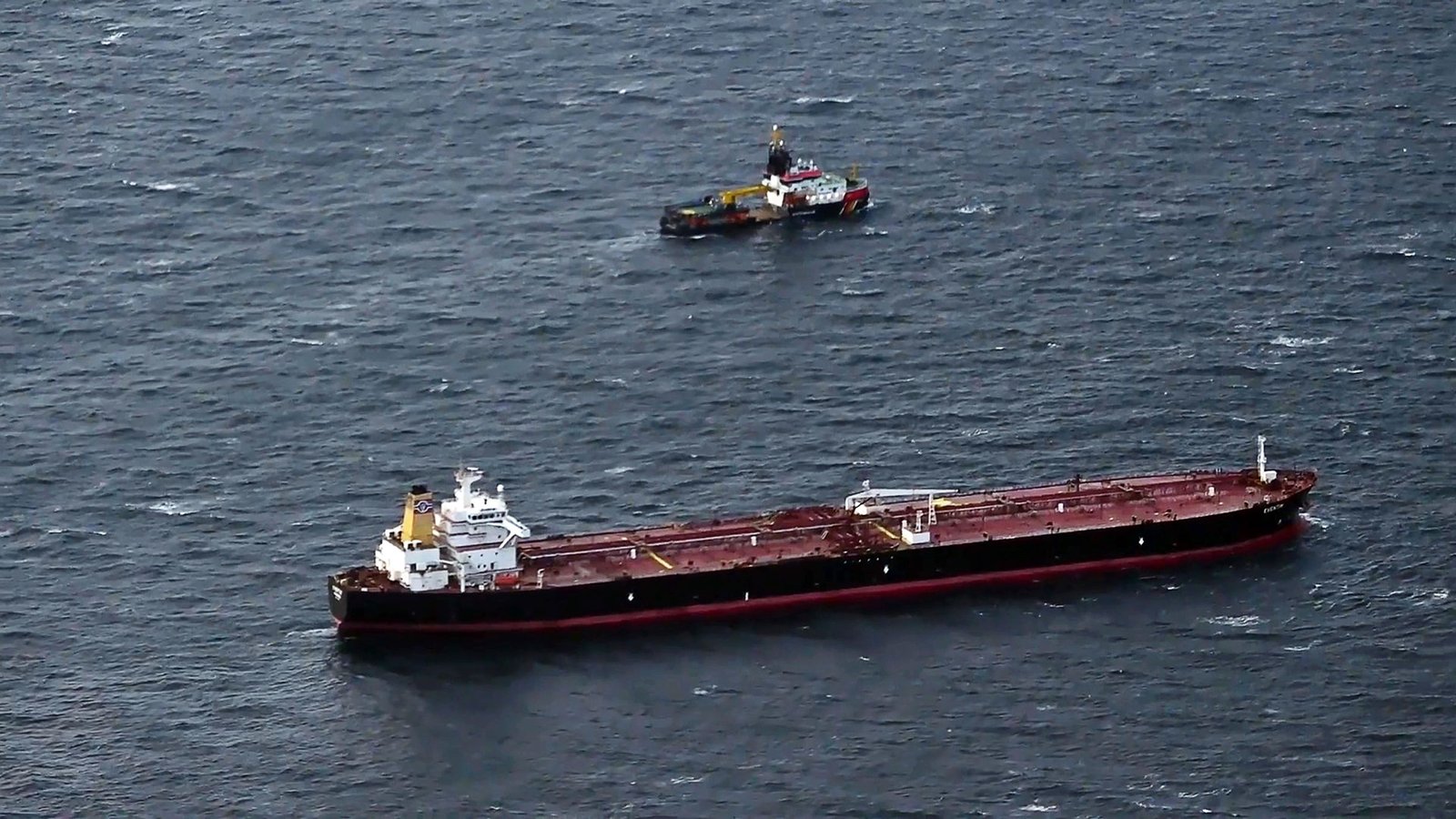
In a significant ramp-up of actions against Venezuela’s restricted oil dealings, American authorities captured two tankers on Wednesday: a Russian-registered ship in the North Atlantic and a Panama-registered one in the Caribbean. These seizures focused on ships suspected of belonging to a clandestine network dodging global restrictions on Venezuelan oil.
The seizures mark a significant step by the Trump administration to disrupt illicit oil exports, often destined for markets like China, and assert greater control over Venezuela’s energy sector amid ongoing tensions.
The Seized Vessels
The first tanker, Marinera (formerly known as Bella 1), was intercepted in the North Atlantic after a weeks-long pursuit across the ocean. Originally sanctioned in 2024, the vessel attempted to evade capture near Venezuela in late December 2025 by changing its name and registering under the Russian flag. U.S. officials described it as “stateless” despite the flag switch, justifying the boarding under international law.
The second vessel, the Panama-flagged M/T Sophia, was seized in international waters in the Caribbean. Operating as part of the so-called “dark” or “ghost” fleet—with transponders often disabled to avoid tracking—it was carrying sanctioned Venezuelan oil.
Both operations involved U.S. Coast Guard and military personnel, with reports of helicopter-assisted boardings in high-seas conditions. The United Kingdom provided logistical support for the Marinera interception, including surveillance assistance.
Broader Context: Cracking Down on the Shadow Fleet
These actions are part of a wider U.S. effort to target the opaque network of aging tankers used to circumvent sanctions on Venezuelan oil. Often operating without proper insurance or transparency, shadow fleet vessels have been criticized for environmental risks and enabling sanctioned regimes.
The seizures come amid heightened U.S. pressure on Venezuela, with the Trump administration signaling intentions to selectively ease some sanctions while maintaining leverage over oil flows.
International Reactions
Russia swiftly condemned the seizure of the Russian-flagged Marinera, calling it a violation of international maritime law and demanding the immediate release of the crew. Moscow described the operation as an act of “piracy.”
Other responses have been mixed, with some allies welcoming the enforcement of sanctions, while critics question the legality of boarding vessels on the high seas.
The fate of the crews remains unclear, with potential prosecutions for sanctions violations. The seized oil cargo may be redirected or sold, with proceeds potentially benefiting U.S. interests or sanction-related funds.
This developing story highlights escalating geopolitical tensions over energy resources and sanctions enforcement. As operations continue, further seizures could follow in what analysts describe as a new phase of economic pressure on Venezuela.