
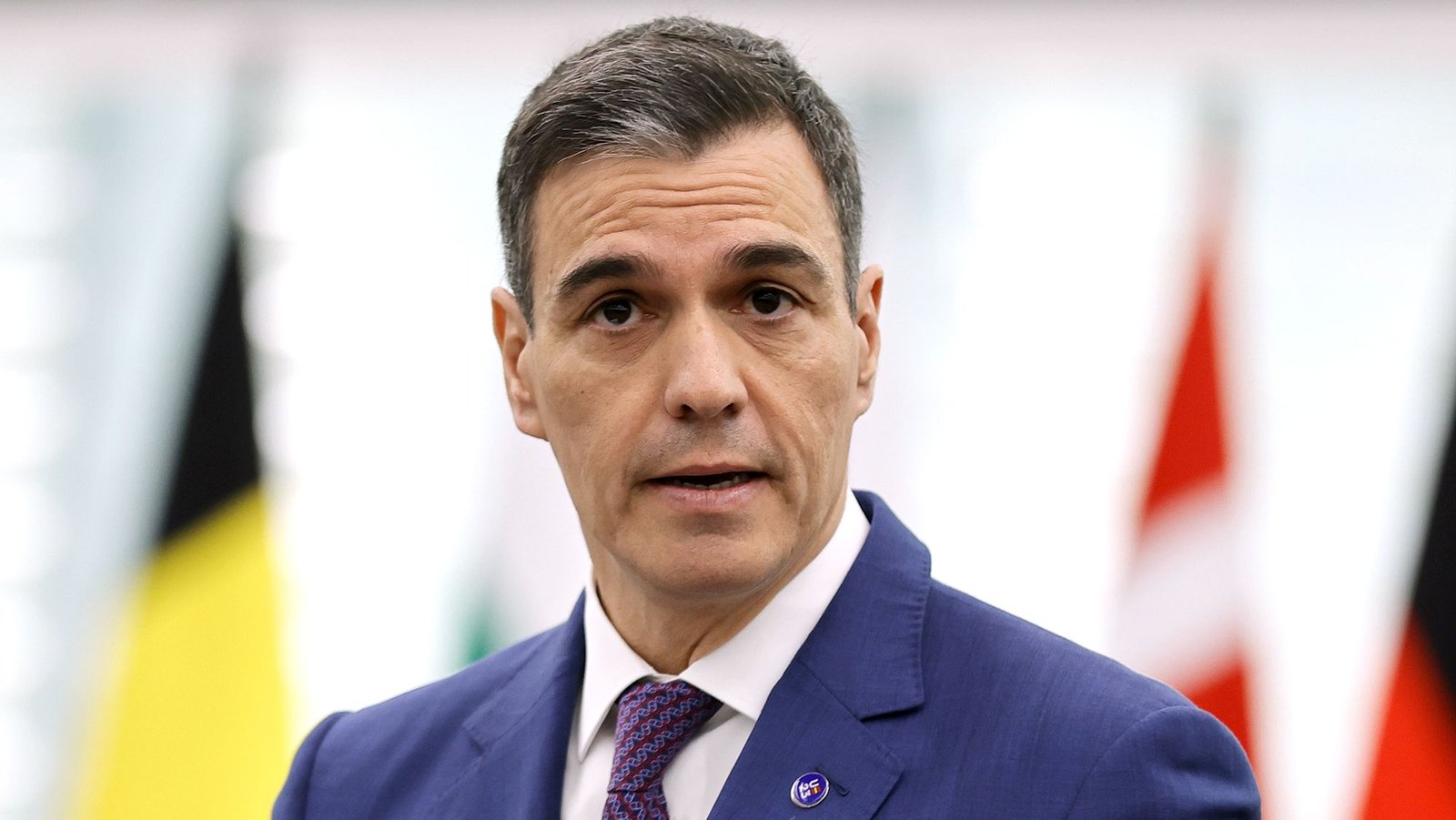
In a move highlighting transatlantic tensions under the new Trump administration, Spain has formally declined to participate in U.S. President Donald Trump’s recently launched “Board of Peace” initiative. The announcement came from Spanish Prime Minister Pedro Sánchez following an emergency EU leaders’ summit in Brussels, underscoring concerns over the exclusion of the Palestinian Authority and the board’s operation outside established United Nations frameworks.
What Is the “Board of Peace”?
The “Board of Peace” was officially ratified by President Trump on January 22, 2026, during a high-profile ceremony at the World Economic Forum in Davos, Switzerland. The initiative builds on Trump’s broader Gaza peace plan, first outlined in 2025, which aims to oversee post-conflict reconstruction, disarmament, and economic development in Gaza.
Key features of the plan include:
- Applying “free market principles” to rebuild and develop the region.
- Promoting “hope and dignity” for Gazans through pragmatic, results-oriented governance.
- Expanding the model to address other global conflicts.
The White House has positioned the board as a bold alternative to traditional multilateral approaches, emphasizing direct action and private-sector involvement. However, critics — including human rights organizations and international analysts — have described it as exclusionary, particularly toward Palestinian representatives, and as an attempt to sidestep longstanding UN-mediated processes.
Spain’s Rejection and EU Context
Prime Minister Sánchez stated unequivocally that Spain would not join the initiative, citing a firm commitment to UN-centered multilateralism, respect for international law, and the necessity of including the Palestinian Authority in any viable peace process.
Spain’s decision reflects broader unease within the European Union. Reports indicate that several other member states, including Germany and Italy, have either declined participation or expressed significant reservations. The Brussels summit focused heavily on coordinating EU policy toward the U.S. under Trump’s second term, with the Board of Peace emerging as an early flashpoint.
This stance aligns with Europe’s historical preference for inclusive diplomacy and adherence to UN resolutions, such as 242 and 338, which have long framed efforts to resolve the Israeli-Palestinian conflict.
Why Trump Supporters View UN Frameworks as Ineffective
The Board of Peace is explicitly presented as a superior alternative to UN-led efforts, a viewpoint shared widely among President Trump and his supporters. Their criticisms of the United Nations generally fall into four main categories:
- Chronic Failure to Deliver Results
Decades of UN resolutions, peacekeeping missions, and mediation attempts have failed to produce lasting peace in the Middle East or resolve other major conflicts. Trump has argued that the UN “should have settled every one of the wars that I settled,” pointing to his administration’s direct deals — such as the Abraham Accords — as evidence of more effective approaches. - Perceived Anti-Israel Bias
UN bodies, particularly the General Assembly and Human Rights Council, are frequently accused of disproportionately targeting Israel with resolutions while downplaying threats from groups like Hamas or actions by authoritarian regimes. Past Trump-era policies, including withdrawal from the Human Rights Council and defunding of UNRWA (the UN agency for Palestinian refugees), were justified on these grounds. - Bureaucracy and Inefficiency
The UN is seen as slow, gridlocked (especially by Security Council vetoes), and lacking the agility needed for real-world solutions. The Board of Peace, by contrast, promises “pragmatic judgment, common-sense solutions, and the courage to depart from approaches and institutions that have too often failed.” - America First Skepticism
Broader distrust of multilateral institutions stems from concerns that they are costly, misaligned with U.S. interests, and sometimes dominated by nations hostile to American or Israeli priorities. Trump’s preference for bilateral agreements and U.S.-led initiatives reflects this worldview.
While these arguments resonate strongly with Trump’s base, critics counter that bypassing the UN risks undermining international law, reducing inclusivity, and fragmenting global cooperation.
Looking Ahead
Spain’s refusal — and the apparent ripple effect across Europe — signals potential challenges for the Board of Peace as it seeks international buy-in. As the initiative moves forward, the divide between U.S.-led unilateralism and Europe’s multilateral tradition will likely remain a defining feature of transatlantic relations in 2026.
The coming months will reveal whether the board can achieve tangible progress in Gaza and beyond, or whether its rejection by key allies limits its scope and legitimacy on the world stage.