
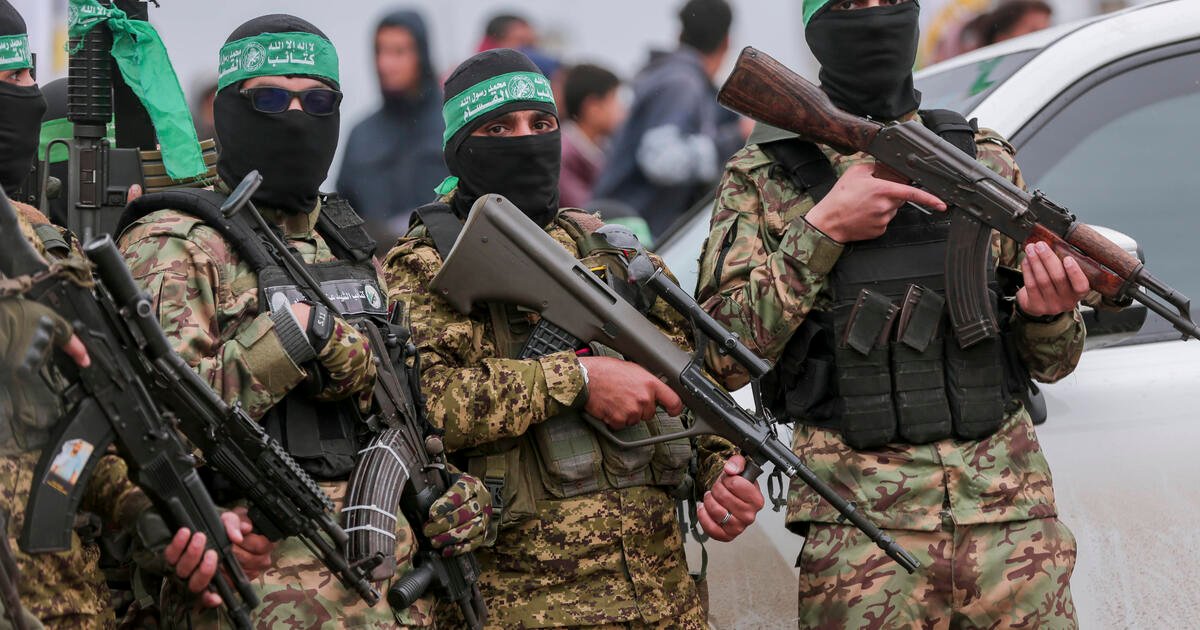
A leaked internal Hamas document has exposed the terrorist group’s strategy to retain covert control over Gaza’s administration, even as a new governing body prepares to take over under a recent ceasefire agreement with Israel.
According to a February 2, 2026, report in The Jerusalem Post, Israel’s KAN News obtained and published the secret memo, which contains detailed instructions for Hamas-affiliated officials in Gaza. The document outlines strict “dos and don’ts” designed to avoid alerting the incoming National Committee for the Administration of Gaza (NCAG), allowing Hamas operatives to continue their work seamlessly.
The memo explicitly directs officials to carry on activities “as if nothing had changed,” while prohibiting any attacks on NCAG members. It further warns against making personal contact with the new administration or sharing information outside official channels, stating: “No personal contact should be made, or information and news should be passed on to the NCAG, outside of the relevant channels.” These guidelines were intended solely for Hamas members inside Gaza, underscoring the group’s determination to embed itself within—or operate parallel to—the emerging governance structure.
This revelation comes at a sensitive moment, as the NCAG moves forward with plans to assume administrative responsibility for the Strip following the ceasefire. On the same day the document surfaced, the committee unveiled a new logo featuring an eagle clutching a shield in the colors of the Palestinian flag, with a banner reading “NCAG” in its talons—a design reminiscent of earlier Palestinian Authority symbolism. The updated emblem replaces a previous version showing a stylized bird rising from a city skyline, signaling the committee’s efforts to establish legitimacy.
The leaked instructions directly undermine the spirit of the ceasefire deal, which envisions the NCAG taking full administrative control and reducing Hamas’s influence over civilian governance. By urging members to maintain business as usual and avoid confrontation with the new body, Hamas appears intent on preserving its bureaucratic foothold “under the radar.”
The exposure raises serious doubts about the durability of the fragile truce and the prospects for genuine power transition in Gaza. With Hamas operatives instructed to operate covertly alongside—or potentially within—the NCAG framework, the path toward stable, non-militant administration remains fraught with obstacles. As reconstruction efforts begin amid the ruins of the recent conflict, this document serves as a stark reminder of the deep-seated challenges facing any attempt to sideline Hamas’s grip on the territory.