
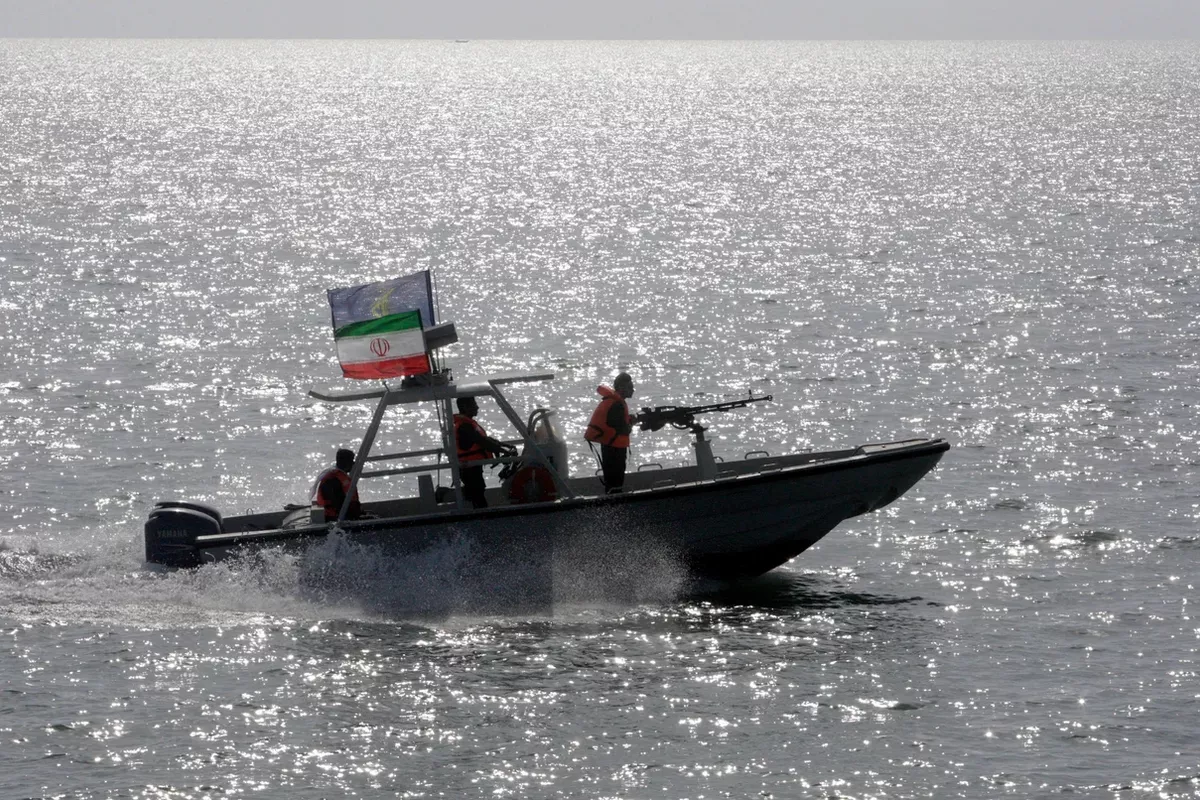
Tensions between the United States and Iran spiked on February 3, 2026, with two separate incidents in strategic Middle Eastern waters. Iranian Revolutionary Guard Corps (IRGC) forces attempted to board a US-flagged oil tanker, while a US Navy fighter jet shot down an Iranian drone approaching an American aircraft carrier.
The first incident involved the Stena Imperative, a US-flagged chemical/oil tanker transiting the Strait of Hormuz in international waters north of Oman. Maritime security reports and US Central Command (CENTCOM) statements confirm that six armed IRGC speedboats approached the vessel at high speed. The boats hailed the tanker via radio, demanding it stop engines and prepare for boarding. The crew ignored the orders, increased speed, and safely reached a rendezvous with US naval forces, which provided escort. No seizure occurred, and the tanker continued its voyage unharmed.
Hours later in the Arabian Sea, an Iranian Shahed-139 (or Mohajer) drone approached the USS Abraham Lincoln carrier strike group with “unclear intent” and aggressive maneuvers. A US Navy F-35C Lightning II fighter jet from the carrier shot down the unmanned aerial vehicle in self-defense. CENTCOM emphasized that the action protected US personnel and assets, with no injuries reported.
These events unfold amid ongoing US-Iran frictions over shipping security, nuclear negotiations, and regional influence. The Strait of Hormuz remains a critical chokepoint for global oil transit. Iranian officials described their drone activity as routine monitoring in international airspace, claiming data was successfully transmitted before the shootdown. Despite the confrontations, planned indirect talks between US and Iranian officials reportedly remain on schedule.
The incidents highlight the persistent risks to maritime navigation in the region, where US naval presence aims to deter threats to freedom of navigation. No escalation beyond these events has been reported as of February 4, 2026.