
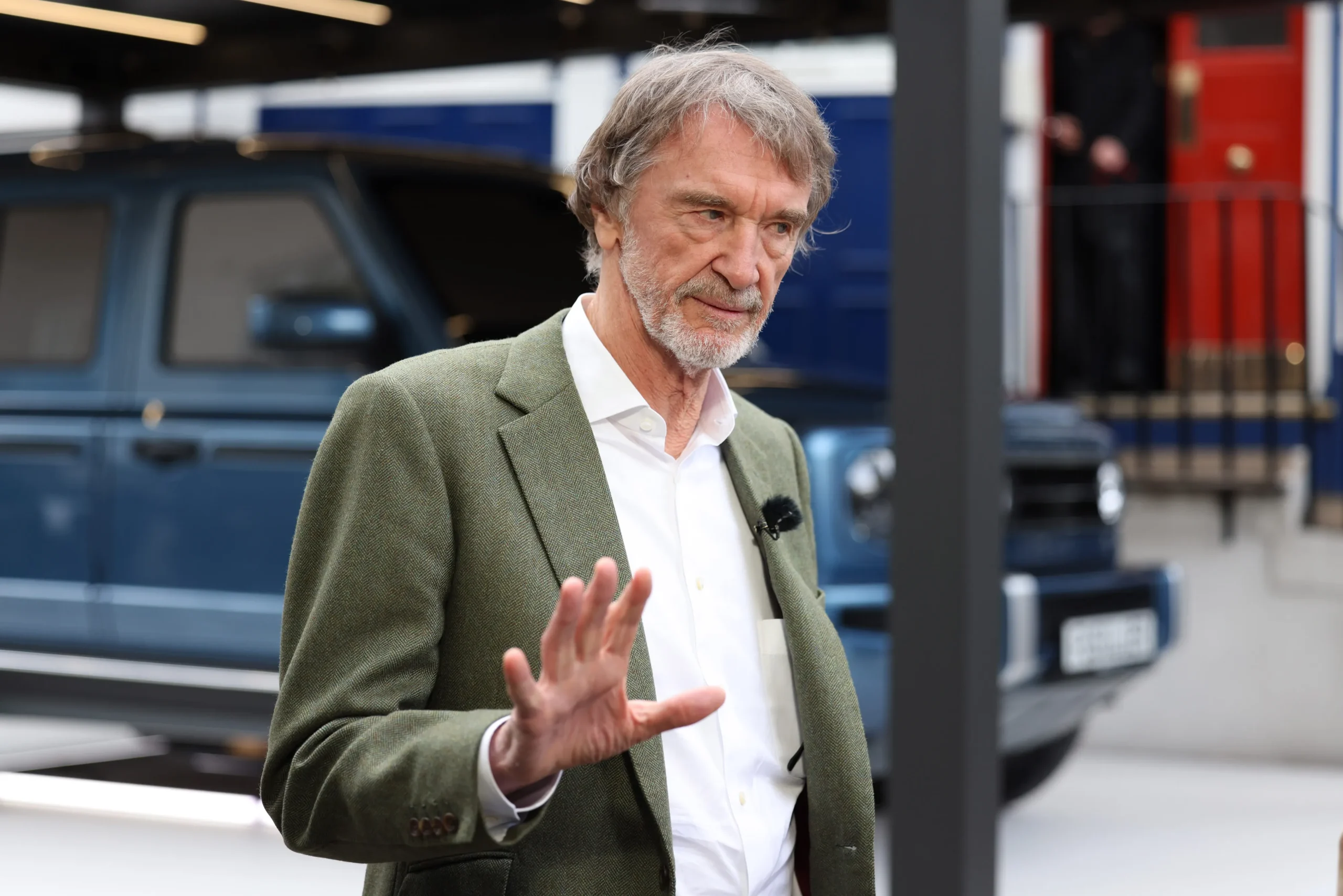
Sir Jim Ratcliffe, the billionaire co-owner of Manchester United and founder of INEOS, sparked a fierce political storm this week when he declared that the UK has been “colonised by immigrants.” In a candid Sky News interview, Ratcliffe linked high immigration levels to economic strain, stating: “You can’t have an economy with nine million people on benefits and huge levels of immigrants coming in. The UK has been colonised by immigrants, really, hasn’t it? It’s costing too much money.”
Prime Minister Keir Starmer wasted no time in condemning the remarks as “offensive and wrong,” insisting that Britain is “a proud, tolerant and diverse country” and demanding Ratcliffe apologise. Downing Street amplified the criticism, accusing the comments of playing “into the hands of those who want to divide our country.”
Yet Starmer’s swift outrage raises serious questions about his leadership and willingness to confront uncomfortable realities. Rather than engaging with the substance of Ratcliffe’s concerns — the undeniable pressures on public services, housing, and welfare from years of mass immigration — the Prime Minister resorted to moral grandstanding. This knee-jerk response smacks of a deliberate attempt to shut down legitimate debate on one of the UK’s most pressing issues.
Immigration has long been a flashpoint in British politics, and public anxiety remains high. A recent Gallup poll showed the UK leading the world in concern over migration levels. For years, net migration soared under the previous Conservative government, peaking at over 700,000 annually. Although provisional figures show a sharp drop to 204,000 in the year ending June 2025 — largely due to Labour’s tighter visa rules — the legacy of rapid population growth persists. The UK’s population has risen by millions in a short period, driven overwhelmingly by immigration, placing enormous strain on the NHS, schools, and infrastructure.
Ratcliffe’s reference to “nine million people on benefits” aligns closely with the reality of economic inactivity. Around 9 million working-age adults are currently outside the labour force, with universal credit claimants and health-related benefits contributing to a growing welfare bill. These are not abstract figures; they reflect real challenges that successive governments, including Starmer’s, have struggled to address effectively.
Critics have been quick to highlight Ratcliffe’s own relocation to tax-free Monaco in 2020, accusing him of hypocrisy for commenting on UK public spending while avoiding British taxes. Fair point — but it is a classic whataboutism deflection that Starmer’s allies have eagerly seized upon. It does nothing to invalidate the broader economic arguments Ratcliffe raised. A billionaire’s tax status does not erase the fact that millions of ordinary Britons feel the daily impact of stretched public resources.
Starmer’s demand for an apology from a private citizen expressing a viewpoint — however bluntly — borders on authoritarian. It echoes a pattern in his premiership: prioritising performative tolerance over pragmatic solutions. Labour came to power promising to “smash the gangs” and reduce migration, and credit is due for the recent declines. But the Prime Minister’s reaction here suggests discomfort with open discussion about the costs of diversity when it clashes with his progressive narrative.
Britain is indeed a tolerant nation, enriched by immigrants who contribute enormously. Yet tolerance does not require ignoring legitimate concerns about scale, integration, and sustainability. By branding Ratcliffe’s comments as beyond the pale, Starmer risks alienating voters who elected him partly on pledges to regain control of borders. Polls consistently show immigration as a top concern, and dismissing such views as “offensive” only fuels division rather than healing it.
Ratcliffe has not apologised, and as of now, shows no signs of doing so. Good — free speech should not come with a mandatory retraction for upsetting the political class. What Britain needs is honest debate about balancing economic needs with social cohesion, not outraged calls for silence.
Starmer’s handling of this row exposes a Prime Minister more comfortable virtue-signalling than tackling hard truths. If he truly wants a “proud and tolerant” country, he should address the issues Ratcliffe raised head-on, rather than demanding apologies for pointing them out.