
Canada is doubling down on carbon capture technology to secure the future of its Alberta oil sands industry, even as the United States moves in the opposite direction on environmental regulations.
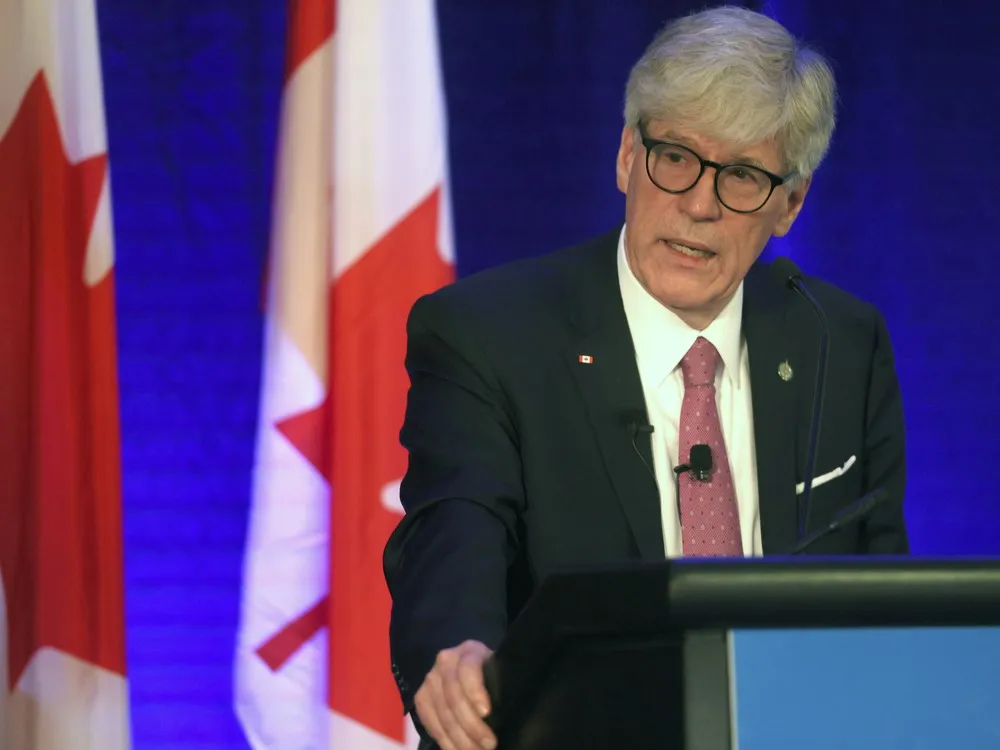
On February 13, 2026, Energy and Natural Resources Minister Tim Hodgson delivered a strong message in Calgary: Canada is “future-proofing” its energy sector through major investments in carbon capture, utilization, and storage (CCUS). Speaking to industry leaders, Hodgson emphasized that these efforts will prevent billions in stranded assets by aligning Canadian oil with global demands for lower-emission energy.
The centrepiece of this strategy is the Pathways Alliance project, a collaborative initiative by major oil sands producers. Valued at C$16.5–20 billion, it aims to capture CO₂ emissions from more than 20 facilities, transport the gas through a 400-kilometre pipeline network, and store it permanently underground in geological formations.
Hodgson directly addressed recent U.S. policy changes under the Trump administration, which have rolled back several environmental measures. “I think what we’re seeing south of the border is an aberration,” he said. “What we’re doing is future-proofing our industry.” He argued that buyers in key markets like India, China, and Europe increasingly prioritize cleaner energy sources, making CCUS essential for maintaining Canada’s “social license” to operate.
This push builds on a November 2025 federal-Alberta agreement that relaxed a national oil and gas emissions cap in exchange for stronger provincial carbon pricing and accelerated CCUS development. The government stresses the need to meet upcoming regulatory deadlines amid volatile global energy markets.
CCUS technology works by capturing emissions at the source, compressing and transporting the CO₂ via pipelines, and injecting it deep underground for permanent storage—or in some cases, using it for enhanced oil recovery. Proponents say it can significantly reduce the carbon footprint of oil sands production while preserving jobs and economic benefits in Alberta.
As the U.S. eases environmental rules to boost domestic fossil fuel output, Canada’s approach highlights a diverging North American energy strategy. By investing in CCUS, Ottawa aims to position Canadian oil as a responsible choice on the world stage, ensuring long-term competitiveness in a decarbonizing global economy.