
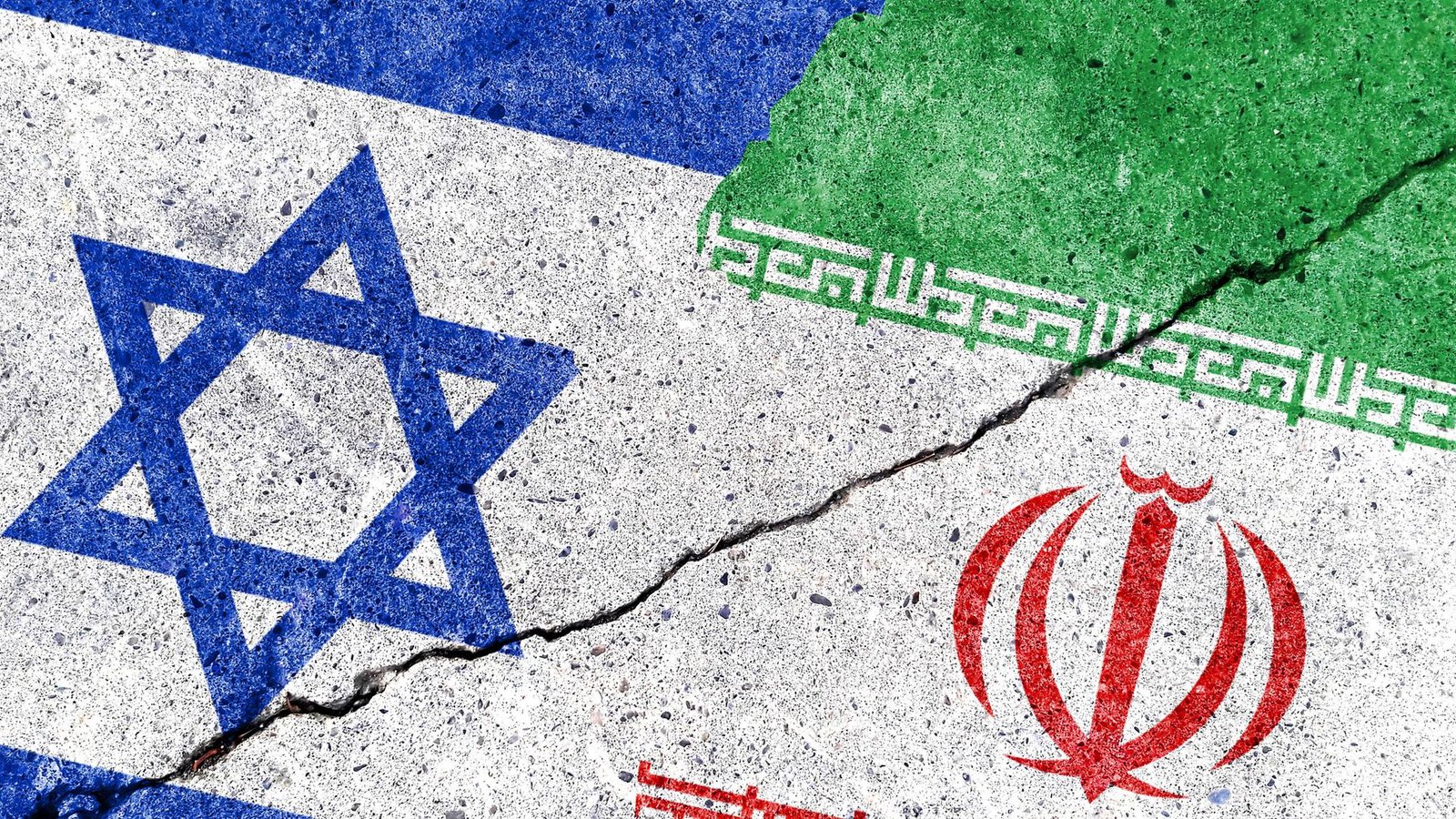
Israel and the United States have likely finalized plans for a coordinated military campaign to eliminate Iran’s ballistic missile threat once and for all, according to detailed analysis by Ynet News published February 19, 2026.
The operation would follow a clear sequence. First, joint forces would cripple Iran’s air defense network to secure complete air superiority for Israeli and American aircraft. Only then would the campaign shift to destroying ballistic missiles, drone fleets, and underground “missile cities” — vast tunnel complexes buried deep beneath mountains and designed to survive conventional attacks.
During the intense 12-day war in June 2025, Israel struck surface launchers and sealed some tunnel entrances but could not reach the deepest facilities. Israeli experts, including Dr. Raz Zimmt of the Institute for National Security Studies, have stated that the United States would handle the deeper underground strikes, leveraging advanced capabilities to inflict damage far beyond what Israel achieved alone.
The plan also targets IRGC naval assets in the Persian Gulf to prevent disruption of the Strait of Hormuz and could extend to additional nuclear-related sites if needed. Israel’s core goal remains the complete neutralization of long-range missiles that directly threaten its cities.
Tensions have escalated sharply as nuclear and missile limitation talks with Iran have stalled. Tehran refuses to discuss limits on its missile program, which it views as its primary deterrent. Intelligence shows Iran has rebuilt much of its arsenal since last year’s conflict and continues reinforcing hardened sites.
In response, Israel has raised its defensive readiness to the highest level. The Security Cabinet meeting was postponed to Sunday to avoid any appearance of immediate action that could trigger an Iranian preemptive strike. Home Front Command, emergency services, and air defense batteries — including Arrow, David’s Sling, and Iron Dome layers — are fully prepared for a massive retaliatory barrage, possibly involving Hezbollah and the Houthis.
The United States has surged major assets into the region, including carrier strike groups, F-35 and F-15 squadrons, and cruise missile platforms, signaling readiness for a sustained operation.
For Israel, leaving Iran’s underground missile infrastructure intact would simply reset the clock on an existential danger. A decisive follow-up strike using the full spectrum of US-Israel deep-penetration munitions aims to break that cycle permanently.
While no final order has been issued, the alignment of strategic interests and military preparations indicates the window for action may be closing rapidly. The coming days could determine whether diplomacy or force will shape the future of Iran’s missile program — and the security of the entire region.