
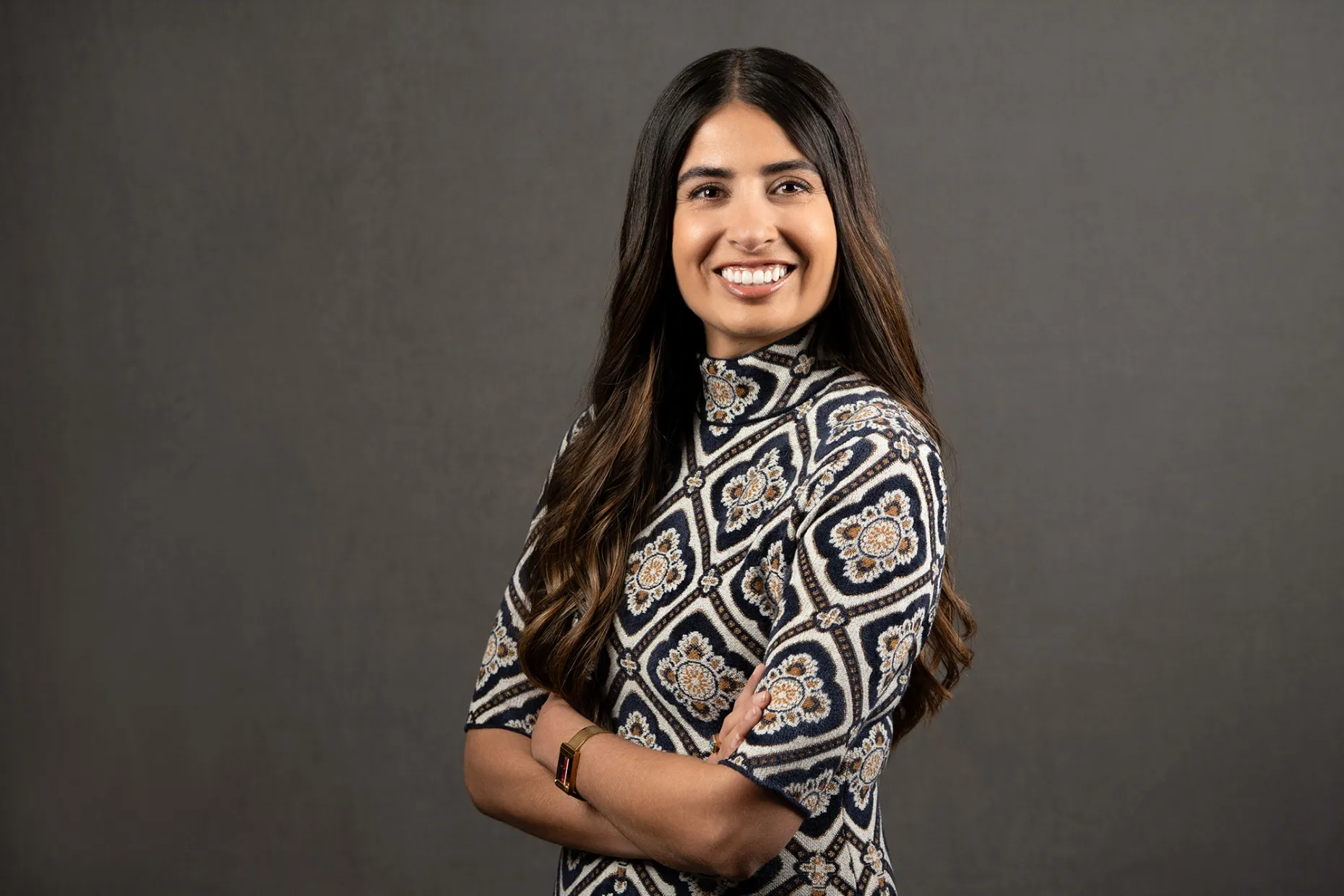
In a pivotal shift for one of the tech industry’s giants, Microsoft has appointed Asha Sharma as the new Executive Vice President and CEO of Microsoft Gaming. This move, announced on February 20, 2026, marks the end of an era with Phil Spencer’s retirement after 38 years at the company and signals a fresh direction for Xbox and the broader gaming ecosystem. As the current date stands at February 21, 2026, Sharma’s leadership is already generating buzz, blending her AI expertise with Microsoft’s ambitious gaming goals.
Early Life and Background
Asha Sharma, an Indian-origin executive, brings a diverse heritage to her new role. While details about her early life remain somewhat private, her family ties to the telecom sector have been noted in various profiles, suggesting an upbringing influenced by technology and innovation. Raised in an environment that valued education and ambition, Sharma pursued higher studies in the United States. She earned a business degree from the University of Minnesota’s Carlson School of Management, laying a strong foundation in strategic thinking and operations.
Her early recognition in the tech world was swift and impressive. In 2015, she was featured in Forbes’ 30 Under 30 list, highlighting her emerging talent in product leadership. That same year, LinkedIn named her among the Top Professionals 35 and Under. By 2016, the Puget Sound Business Journal included her in its 40 Under 40, underscoring her rapid rise in the Pacific Northwest’s tech scene. These accolades painted Sharma as a forward-thinking leader with a knack for scaling consumer products.
Career Journey: From Marketing to AI Powerhouse
Sharma’s professional trajectory is a testament to her versatility across tech giants. She began her career in the early 2010s with marketing roles at Microsoft, gaining insider knowledge of the company’s operations and culture. This initial stint provided her with a solid grounding in product strategy before she ventured to Meta (formerly Facebook) around 2017.
At Meta, Sharma served as Vice President of Product and Engineering, where she scaled private communications products to billions of users. Her work involved overseeing complex platforms like Messenger and WhatsApp integrations, honing her skills in user-centric design and large-scale engineering. This period was crucial in building her reputation for managing high-stakes consumer tech initiatives.
In 2021, Sharma transitioned to Instacart as Chief Operating Officer, a role that thrust her into the spotlight during the company’s 2023 IPO. Under her leadership, Instacart achieved profitability while managing a $30 billion-plus profit and loss statement. She oversaw critical areas including the app, logistics, marketing, and growth strategies, demonstrating her ability to navigate competitive markets and drive operational efficiency.
Returning to Microsoft in 2024 as President of Product for Core AI, Sharma focused on enterprise AI tools. She led the development of platforms like Foundry, which integrates AI models into applications, positioning Microsoft at the forefront of AI innovation. Her expertise in AI product development made her a natural fit for bridging technology with consumer experiences.
Here’s a snapshot of her career timeline:
| Period | Role | Company | Key Achievements |
|---|---|---|---|
| Early 2010s | Marketing Roles | Microsoft | Built foundational product knowledge. |
| 2017–2021 | VP, Product & Engineering | Meta | Scaled communications for billions; enhanced user privacy features. |
| 2021–2024 | COO | Instacart | Led IPO; achieved profitability; managed $30B+ P&L. |
| 2024–2026 | President, Product, Core AI | Microsoft | Developed AI tools like Foundry for enterprise integration. |
| 2026–Present | EVP & CEO, Gaming | Microsoft | Oversees Xbox, studios; reports to Satya Nadella. |
This path, devoid of direct gaming experience, emphasizes Sharma’s strength in platform scaling and AI, which Microsoft sees as vital for gaming’s future.
Appointment to Microsoft Gaming CEO
Sharma’s appointment comes at a challenging time for Microsoft’s gaming division. The unit reported a 10% revenue drop in the latest quarter, contrasting with the company’s overall 17% growth. Factors include studio closures, impairment charges, and lagging console sales behind competitors like Sony and Nintendo. Phil Spencer, who led gaming since 2014 and became CEO in 2022, announced his retirement, with Sharma stepping in effective around February 23, 2026.
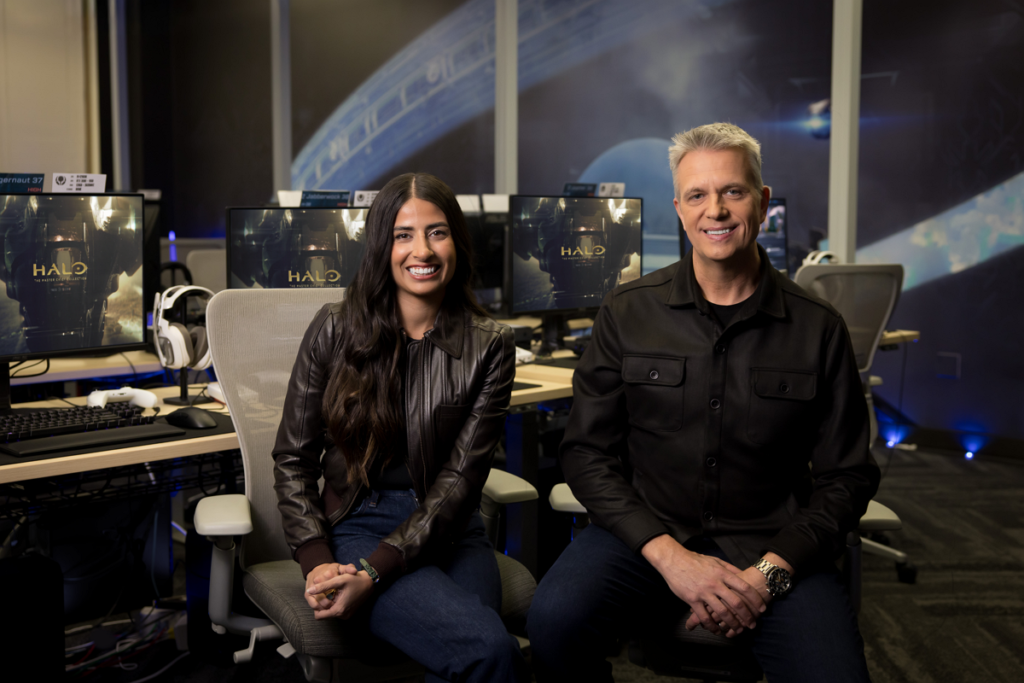
Microsoft CEO Satya Nadella praised Sharma’s “consumer product leadership” paired with Matt Booty’s “gaming depth,” where Booty was promoted to EVP and Chief Content Officer overseeing nearly 40 studios, including franchises like Halo, Call of Duty, and The Elder Scrolls. Xbox President Sarah Bond is resigning, with both Spencer and Bond advising during the transition.
Challenges and Strategic Shifts
Microsoft Gaming faces headwinds: declining hardware sales, integration issues post-Activision Blizzard acquisition, and a shift toward multi-platform strategies. Sharma inherits a division recommitting to consoles while expanding to PC, mobile, and cloud. Nadella’s memo emphasizes a return to Xbox’s “renegade spirit” and core fans, launched in 2001.
Public reactions on X (formerly Twitter) reflect excitement and curiosity. Posts highlight her AI background, with one noting, “Asha Sharma is the new CEO of Microsoft Gaming. She previously worked on AI products at Microsoft.” Another user commented on the transition: “After 38 years, Phil Spencer steps down… A major transition as Asha Sharma takes the helm at Xbox.” Discussions also touch on broader tech news, like Microsoft’s AI advancements, underscoring Sharma’s timely expertise.
Vision for the Future of Gaming
In her first internal memo and interviews, Sharma outlined three pillars for Microsoft Gaming’s future. First, “Great Games”: Emphasizing emotional resonance, innovative gameplay, and human-crafted art. She promotes empowering studios, taking risks, and focusing on iconic franchises. “Games are art, crafted by humans,” she stated, with “no tolerance for bad AI” or “soulless slop.”
Second, “Return of Xbox”: A recommitment to 25-year fans and console roots, ensuring seamless experiences across devices without barriers for developers.
Third, “Future of Play”: Introducing new models and tools for creators and players, leveraging ethical AI as a “growth engine.” Upcoming events like GDC in March 2026 and the Xbox Games Showcase in spring will reveal more.
Sharma’s LinkedIn post echoed this: “Today I am honored to step into the role of CEO of Microsoft Gaming. Over the last 25 years, Xbox has grown to reach more than 500 million monthly active players.” Her X handle, @asha_shar, with 18K followers, positions her as “CEO @Xbox.”
Online Presence and Broader Impact
Sharma maintains an active professional profile on LinkedIn (linkedin.com/in/aboutasha, 148K followers), where she shares insights on leadership and innovation. On X, her posts focus on gaming’s potential, drawing from her AI roots. Reactions vary, with some celebrating her Indian heritage and others questioning her lack of gaming-specific experience. She also serves on The Home Depot’s board, showcasing her cross-industry influence.
Conclusion
Asha Sharma’s ascent to Microsoft Gaming CEO represents a blend of AI innovation and consumer savvy at a crossroads for the industry. As she navigates revenue challenges and reinvigorates Xbox’s legacy, her leadership could redefine gaming’s intersection with technology. With a focus on human creativity amid AI’s rise, Sharma is poised to lead Microsoft Gaming into its next chapter, potentially reaching new heights in player engagement and market dominance.