
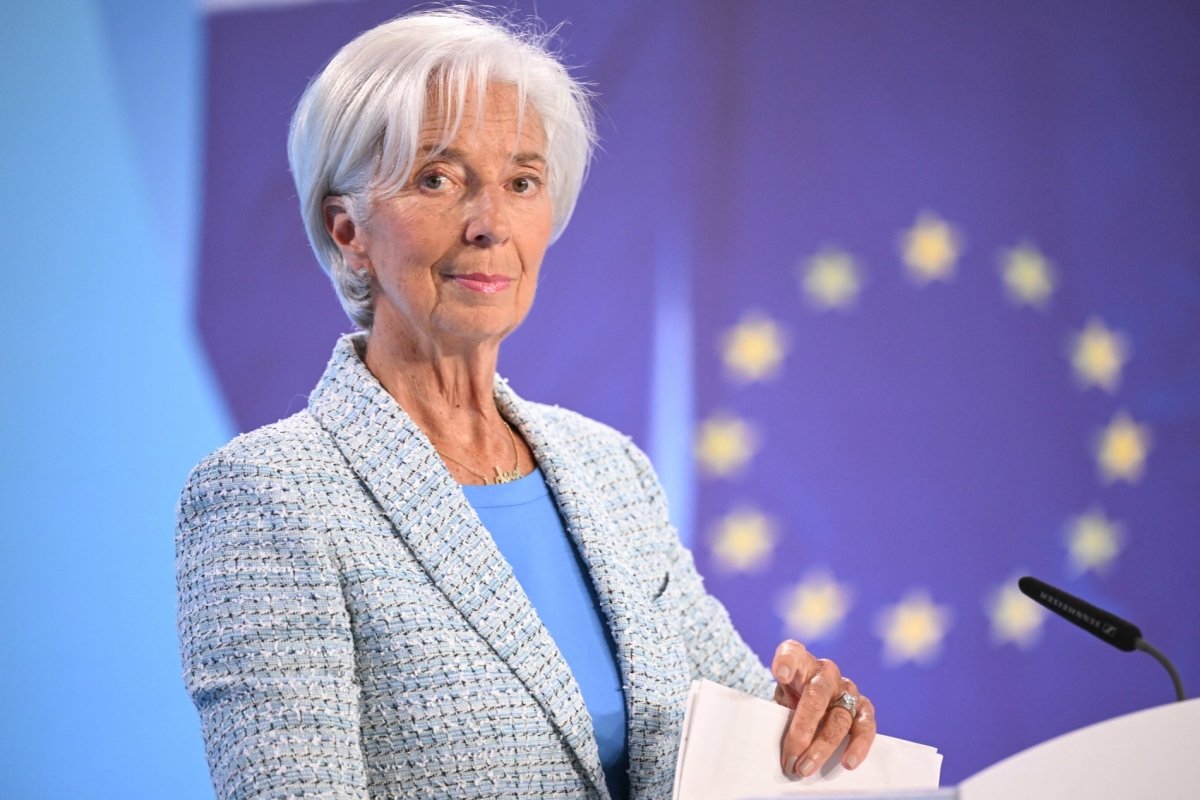
FRANKFURT – In a decision that balanced caution with growing economic pressure, the European Central Bank (ECB) Governing Council announced today, April 30, 2026, that it will maintain its current key interest rates. The deposit facility rate remains anchored at 2.00%, a level held since last summer as President Christine Lagarde maintains a strategic “wait-and-see” approach.
While the decision to hold was widely expected by analysts, it arrives amidst a volatile economic landscape for the Eurozone, characterized by surging energy costs and geopolitical instability.
The Inflation Challenge: Energy Costs and Geopolitical Tensions
The primary driver behind the ECB’s hesitation is the escalating conflict in the Middle East. With crude oil prices surging past $120 per barrel and the blockade of the Strait of Hormuz threatening 20% of global supply, Eurozone inflation has become a moving target.
Key inflation metrics include:
- April Inflation (HICP): Jumped to 3.0% (up from 2.6% in March).
- Energy Price Inflation: Skyrocketed to 10.9%.
- ECB Target: A medium-term goal of 2.0%.
This 1% overshoot presents a significant challenge to the ECB’s credibility. However, Lagarde has refused to commit to a specific interest rate path, insisting that the Governing Council must determine if this spike is a transitory shock or a long-term trend.
Is Stagflation Looming? Lagarde Dismisses ’70s Comparisons
As Eurozone GDP growth slowed to a marginal 0.1% in Q1, critics began warning of “stagflation”—the dreaded combination of stagnant growth and high inflation reminiscent of the 1970s.
During today’s press conference, President Lagarde was quick to dismiss these fears. “Stagflation is something I park in the ’70s,” she remarked. Lagarde pointed to the current labor market—which boasts a record-low unemployment rate of 6.2%—as a fundamental difference from previous era crises. From the ECB’s perspective, a strong job market suggests the economy is “catching its breath” rather than entering a structural decline.
June 11: The Critical Turning Point for Eurozone Policy
The ECB’s current strategy can be summarized as: Observe in April; Act in June.
Lagarde’s emphasis on a “data-rich” environment suggests that the Governing Council’s patience has a deadline. By the next meeting on June 11, the bank will have access to updated staff projections and two additional months of inflation data.
Market Outlook:
Financial markets are already pricing in a high probability of a 25 basis point rate hike in June if May’s inflation data fails to cool. The ECB is currently caught in a “policy squeeze”:
- Raising rates too early risks stifling the fragile 0.1% GDP growth and triggering a recession.
- Waiting too long risks allowing inflation expectations to become “de-anchored,” making them much harder to control later.
Economic Snapshot: Key ECB Figures
| Metric | Current Value |
|---|---|
| Main Refinancing Rate | 2.15% |
| Deposit Facility Rate | 2.00% |
| April Inflation (HICP) | 3.0% |
| Q1 GDP Growth | 0.1% |
| Unemployment Rate | 6.2% |
The Bottom Line
The ECB is betting on a “data-dependent” playbook, hoping that energy-driven inflation is manageable without aggressive monetary tightening. However, as the Eurozone faces high gas prices and cooling growth, the path to that elusive 2% inflation target looks increasingly steep.