
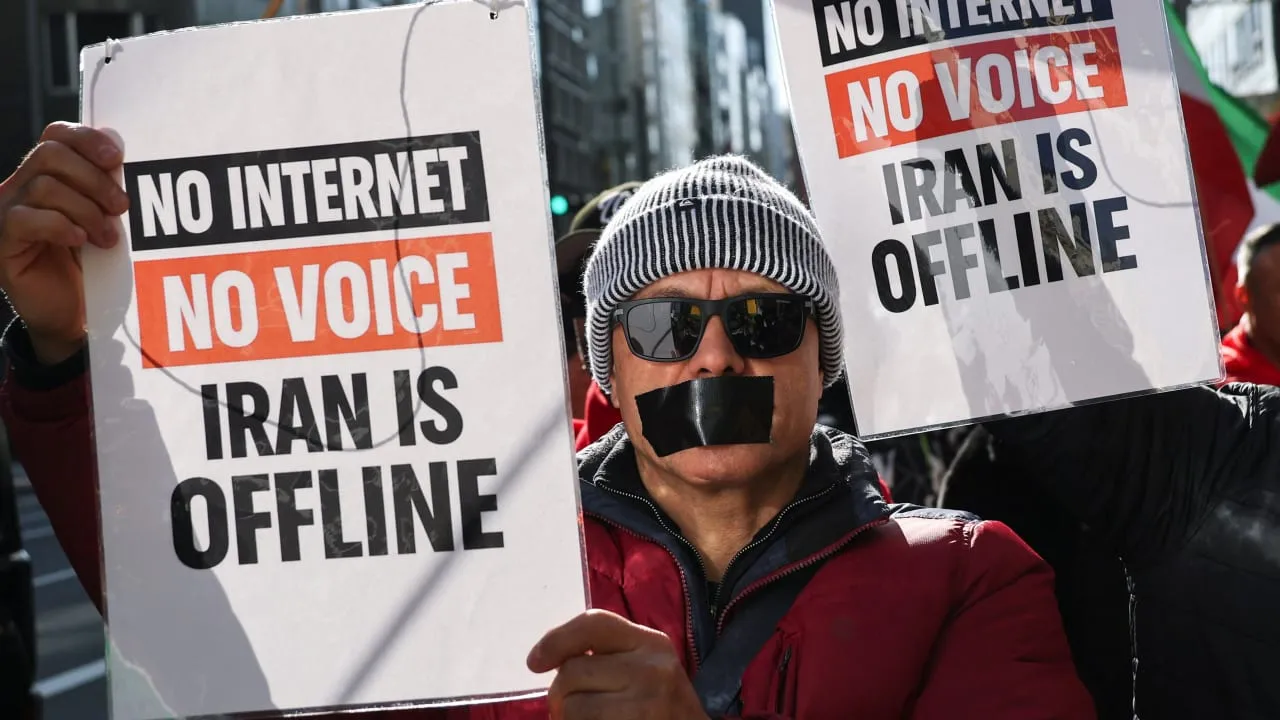
In the modern era, connectivity is often viewed through the lens of convenience—a way to stream movies, check social media, or stay updated on global news. However, for millions of people in Iran, the internet has transitioned from a luxury to a vital lifeline. As recent prolonged blackouts stretch into weeks and months, a terrifying new trend is emerging: the digital disconnection is not just stalling economies; it is driving a surge in suicidal ideation.
In an unexpected turn of events, the primary indicators of this psychological collapse are appearing where one least expects them: the comment sections of technology websites.
Tech Forums Become Emotional Battlegrounds
Platforms like Digiato and Zoomit, which traditionally serve as hubs for smartphone reviews and software updates, have been transformed into unwilling repositories of human despair. As the internet outages persist—sometimes exceeding 50 days amid regional tensions and security crackdowns—the discourse in these comment threads has shifted from gadget specifications to raw, existential cries for help.
On Zoomit, a single thread gathering over 1,500 comments after a month-long shutdown revealed a chilling reality. Users described the sensation of the blackout as “being buried alive” or being trapped in “solitary confinement with low oxygen.” The digital silence is not merely an inconvenience; it is experienced as a suffocating weight that triggers aggression, self-harm, and profound hopelessness.
On Digiato, the sentiment is equally grim. Commenters have openly linked the loss of connectivity to their inability to sustain livelihoods, leading to thoughts of “finding a way to end it comfortably” before debts or social isolation become insurmountable.
The Anatomy of Isolation
To understand why an internet outage leads to suicidal thoughts, one must look at the psychological mechanisms at play. In a society where physical assembly is heavily restricted and traditional media is tightly controlled, digital spaces are often the only avenues for social connection, education, and economic agency.
When these channels are severed, several psychological triggers occur simultaneously:
- The Loss of Agency: For remote workers, freelancers, and students, the blackout represents a total loss of control over their future and income.
- Disrupted Biological Rhythms: The sudden removal of routine—streaming, social interaction, and news consumption—disrupts dopamine cycles, contributing to acute anxiety and depression.
- The Severing of Lifelines: For those with disabilities or chronic illnesses, the internet provides essential tools for independence, from remote medical monitoring to connecting with support networks. Without it, their sense of autonomy evaporates.
As these stressors compound, they create a “perfect storm” for mental health crises. In a country where suicide rates have already shown concerning upward trends, the blackout acts as a potent catalyst for those already on the brink.
A Form of “Silent Violence”
While the economic fallout—lost productivity and collapsed online businesses—is easily measured in currency, the invisible toll on the human psyche is much harder to quantify but far more devastating.
Experts and users alike describe this phenomenon as a form of “silent violence.” It is not a sudden catastrophe like an earthquake, but rather a slow, agonizing erosion of hope. It is the feeling of being trapped in an information vacuum while the rest of the world continues to move forward, leaving the disconnected population behind in a state of digital exile.
Connectivity as a Human Right
The outcry in the comment sections of Iran’s tech sites is more than just internet “trolling” or hyperbole; it is a distress signal from a society pushed to its psychological limits. These forums have become an accidental barometer for the nation’s mental health, proving that access to information and connection is not merely a technical requirement—it is a fundamental component of human well-being.
Addressing this crisis requires more than just restoring bandwidth. It requires recognizing that digital access is a lifeline for mental stability, economic survival, and social cohesion. As one user poignantly asked in a thread: “How human is a person in solitude?”
If the international community and local authorities continue to treat internet access as a controllable privilege rather than a basic necessity, they risk ignoring a tragedy that is unfolding in plain sight, one comment at a time.