
Iran Internet Blackout 2026: Pezeshkian Orders Restoration After 87 Days Amid Regime Fractures and Trump Negotiations
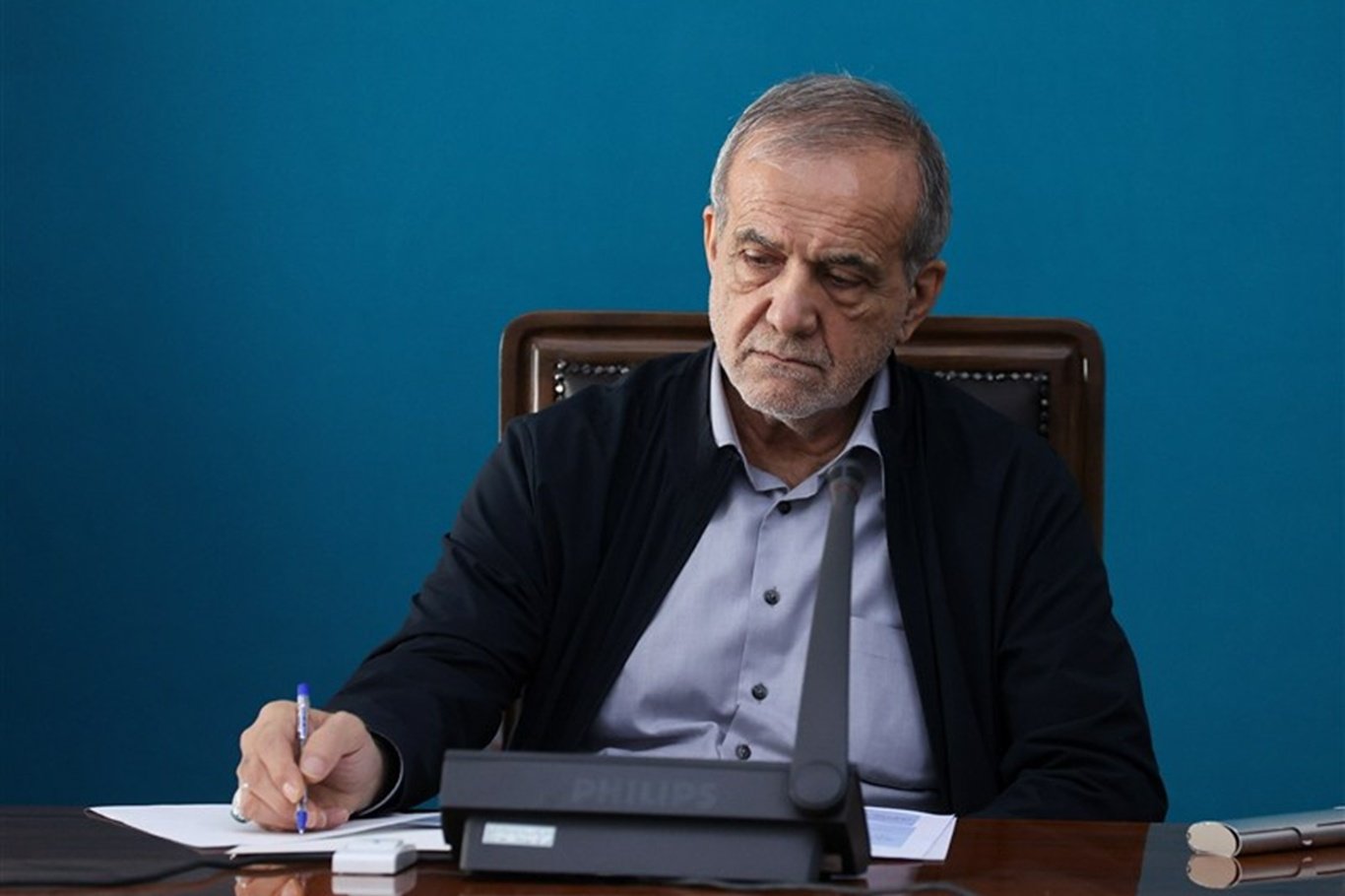
Iran’s historic internet shutdown has reached a pivotal turning point. On May 25, 2026, President Masoud Pezeshkian directed the restoration of international internet access, ending one of the longest digital blackouts in modern history. The move has spotlighted deep internal regime divisions while raising questions about its timing in relation to ongoing nuclear and sanctions negotiations with the Trump administration.
Longest Internet Shutdown in Iranian History
The nationwide blackout began on January 8, 2026, during major anti-regime protests and was tightened further after the brief war with the United States and Israel in late February. Monitoring groups report that ordinary Iranians have faced near-total disconnection for over 87 days, with connectivity often below 5% of normal levels.
While previous disruptions occurred in 2019 and 2022, the 2026 blackout stands out for its duration and severity, creating a two-tier “Internet Pro” system that gave elites and security forces better access while leaving most citizens offline or dependent on costly VPNs.
Economic Devastation and Internal Power Struggle
The extended shutdown has inflicted massive economic damage, with daily losses estimated in the tens of millions of dollars and thousands of businesses collapsing. This pressure appears to be a key driver behind Pezeshkian’s decision.
However, the order immediately triggered public pushback from hardline elements. IRGC-linked outlets like Fars News challenged the president’s authority, insisting that only the Supreme National Security Council — dominated by hardliners — could lift the blackout. This public disagreement underscores the ongoing fracture between reformist-leaning pragmatists around Pezeshkian and hardliners who favor long-term digital isolation through Iran’s National Information Network.
Link to Trump Negotiations: Tactical Move or Genuine Easing?
Some analysts suggest the timing of the restoration order may be connected to stalled or difficult negotiations with the Trump administration. With talks described by Trump as “proceeding nicely” yet facing remaining differences on uranium stockpiles and sanctions relief, restoring internet access could serve multiple purposes:
- Project an image of stability and de-escalation to strengthen Iran’s negotiating position.
- Reduce international criticism over human rights and digital repression.
- Potentially prepare the information environment to shape narratives if talks deteriorate, allowing the regime to blame external actors or “unknown groups” rather than internal failures.
Nevertheless, most evidence points to domestic factors as the primary motivation: crippling economic losses and the need to prevent further public unrest after months of isolation. The move also helps address widespread anger over the tiered internet system that favored regime insiders.
What’s Next for Iranians?
As of May 26, 2026, details on the speed and extent of reconnection remain unclear. Hardliner resistance could result in only partial restoration or continued heavy filtering. Many Iranians remain skeptical, viewing the announcement as another controlled adjustment rather than genuine openness.
The latest development reveals a regime under significant strain — balancing the need for economic survival and diplomatic signaling against its instinct for tight information control. Whether this leads to meaningful internet access for ordinary citizens or simply another chapter in Tehran’s internal power struggles will become clear in the coming days.