Introduction: The Silicon Showdown of 2026
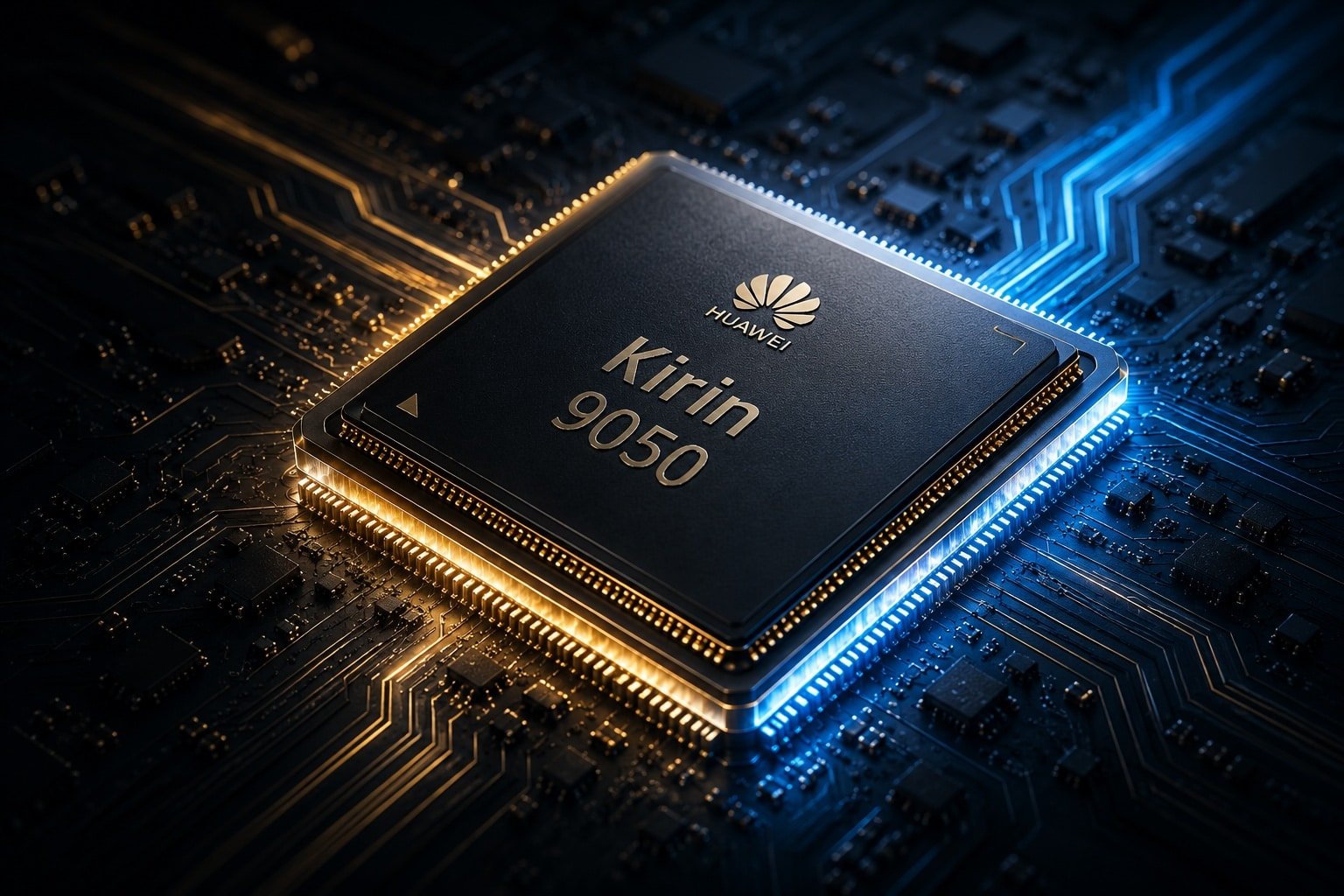
In the high-stakes world of mobile processors, few rivalries capture as much attention as Huawei’s Kirin series versus Apple’s A-series chips. As we approach the second half of 2026, the spotlight is firmly on Huawei’s upcoming Kirin 9050, expected to debut in the Huawei Mate 90 series this September. This chipset isn’t just another incremental upgrade—it represents Huawei’s most audacious engineering response to years of U.S. export restrictions.
On the other side stands Apple’s A18 (and its Pro variant), the 3nm powerhouse that has powered the iPhone 16 series since 2024 and continues to set benchmarks for efficiency and performance in 2026. This in-depth comparison explores every aspect of these two chips: architecture, manufacturing innovations, real-world performance potential, AI capabilities, graphics, power efficiency, and ecosystem implications.
Whether you’re a Huawei enthusiast awaiting the Mate 90, an Apple loyalist, or a tech analyst tracking semiconductor geopolitics, this 3000-word guide delivers the insights you need.
The Road to Kirin 9050: Huawei’s Resilience Story
Huawei’s semiconductor journey has been nothing short of remarkable. After the 2020 U.S. sanctions crippled access to advanced nodes, the company pivoted hard. The Kirin 9000S (2023) marked a successful return using SMIC’s 7nm-class process. Subsequent chips like the Kirin 9010, 9020, and 9030 showed steady progress.
Now, Huawei is skipping the rumored Kirin 9040 entirely and launching the Kirin 9050—a naming jump that signals major internal advancements. Leaks from reliable Chinese tipsters like Superdimensional and Guo Jing, combined with official statements from Huawei’s semiconductor head He Tingbo, paint an exciting picture.
The Kirin 9050 is slated for a September 2026 launch alongside the Mate 90 series (standard, Pro, Pro Max, and RS Master Edition). It will run on HarmonyOS 7, emphasizing deep software-hardware integration.
Kirin 9050 Key Specifications and Innovations
CPU Architecture:
- 1+3+4 octa-core design (first major shift in core layout for recent Kirins)
- 1× Prime core: Up to 3.2–3.4 GHz — the first Kirin to break the 3GHz barrier
- 3× Performance cores: ~2.8 GHz+
- 4× Efficiency cores: ~2.1 GHz+
This configuration promises strong multi-threaded performance while maintaining good battery life.
Process and Packaging Breakthrough:
The real star is Huawei’s new LogicFolding architecture, based on the company’s Tau (τ) Scaling Law. Instead of relying solely on node shrinks (still limited to ~7nm-class), Huawei uses advanced 3D IC stacking:
- Transistor density increase: Up to 53.5% higher, reaching 238 million transistors per mm² — rivaling TSMC’s early 3nm densities.
- Vertical stacking shortens wiring paths, reduces signal delay, and improves thermal characteristics.
- Claims include 41% better performance-core efficiency and 12.7% higher peak clock speeds.
This “LogicFolding” technology allows Huawei to achieve performance and efficiency levels that feel closer to 3nm-class chips despite older base manufacturing.
Other Features:
- Significantly upgraded NPU for on-device AI
- Enhanced ISP for XMAGE photography system
- Better 5G modem integration
- Expected support for high-capacity batteries (rumors of up to 7300mAh in Mate 90 variants)
Apple A18 Deep Dive: Refined 3nm Excellence
Apple’s A18, introduced in the iPhone 16 series (2024), remains a formidable contender in 2026. Built on TSMC’s second-generation 3nm (N3E) process, it prioritizes efficiency and seamless iOS optimization.
CPU Architecture:
- 6-core design: 2× high-performance “Everest” cores (up to 4.05 GHz) + 4× efficiency “Sawtooth” cores (~2.42 GHz)
- Transistor count: Approximately 15.2 billion
- Die size: ~90 mm²
Performance Benchmarks (Real-World 2026 Data):
- Geekbench 6: Single-core ~3,250–3,350 | Multi-core ~8,000–8,500 (A18 Pro variant higher, up to 8,900+)
- AnTuTu v10: Around 1.79–1.91 million points
- GPU: 4–5 core design with hardware ray tracing and mesh shading support
The A18 delivers exceptional single-threaded performance, making everyday tasks feel instantaneous, while its power efficiency allows iPhones to maintain strong battery life despite compact designs.
Direct Comparison: Kirin 9050 vs Apple A18
1. Manufacturing Process and Density
Apple holds the edge in traditional process technology with its mature 3nm node. However, Huawei’s LogicFolding 3D stacking creates a compelling alternative. By stacking logic layers vertically, Huawei achieves transistor density that some analysts say approaches effective 3nm or better in key areas. This innovation bypasses the need for EUV lithography equipment that remains restricted.
Winner: Tie — Apple for proven node maturity; Kirin 9050 for creative packaging ingenuity.
2. CPU Performance
- Single-Core: Apple A18 is expected to lead. Its high-IPC Everest cores running at 4.05 GHz deliver superior responsiveness in apps, browsing, and light gaming.
- Multi-Core: Kirin 9050’s 8 cores and higher sustained clocks (thanks to better thermal management from stacking) could make it competitive or even superior in heavy workloads like video editing, AI processing, or multitasking. Some leaks suggest it may outperform the A18 Pro in certain multi-threaded scenarios.
Sustained Performance: Huawei’s stacking reduces heat hotspots, potentially allowing longer high-performance runs compared to previous Kirins.
3. GPU and Gaming
Apple’s GPU (with ray tracing) remains optimized for iOS titles and offers excellent efficiency. Huawei has not released detailed GPU specs for the 9050 yet, but improvements are expected, particularly in AI-upscaled graphics and integration with HarmonyOS gaming features. In raw power, Apple likely retains the lead for now, but Huawei could close the gap in sustained frame rates due to thermal advantages.
4. AI and Neural Processing
Both chips are AI powerhouses:
- A18: 16-core Neural Engine with ~35 TOPS, powering Apple Intelligence (on-device Siri, image generation, writing tools).
- Kirin 9050: Major NPU uplift optimized for HarmonyOS 7. Huawei has heavily invested in on-device AI for privacy-focused features popular in the Chinese market, including advanced camera AI and language models.
Winner: Context-dependent. Apple for polished ecosystem features; Kirin for potential raw AI throughput in Android-like environments.
5. Power Efficiency and Thermals
Apple’s 3nm process and software co-design give it a historical advantage in performance-per-watt. However, Huawei claims ~40%+ efficiency gains in performance cores via LogicFolding. Early indications suggest the Kirin 9050 could deliver flagship performance with manageable heat in large Mate devices with massive batteries.
6. Ecosystem and Real-World Use
- Apple A18: Unmatched optimization in iOS. Consistent updates, privacy focus, and seamless integration across Apple devices.
- Kirin 9050: HarmonyOS 7 offers excellent multitasking and AI features, particularly strong in China. Global users benefit from Huawei’s premium build quality and camera system, but face app ecosystem limitations outside China.
Potential Impact on the Smartphone Market
The Kirin 9050’s success could reshape perceptions of what’s possible under sanctions. If benchmarks confirm it rivals or beats the A18 in multi-core and sustained tasks, Huawei could reclaim significant market share in premium segments, especially in Asia and emerging markets.
For Apple, the A18 (and its successors like the anticipated A19) continues to emphasize efficiency and ecosystem lock-in. The iPhone 18 series expected later in 2026 will likely build on this foundation.
Challenges and Future Outlook
Huawei still faces supply chain constraints, but LogicFolding demonstrates a viable long-term path. By 2031, the company aims for densities equivalent to 1.4nm processes.
Apple benefits from unrestricted access to TSMC’s most advanced nodes and massive R&D resources. Its challenge is maintaining innovation velocity amid slowing smartphone growth.
Conclusion: A New Chapter in Mobile Silicon
The Kirin 9050 is more than a chipset — it’s a symbol of technological defiance and ingenuity. With its groundbreaking LogicFolding architecture, record clock speeds, and 3D stacking, Huawei is poised to deliver one of its strongest Kirins ever.
The Apple A18 remains the benchmark for refined, efficient performance that millions rely on daily. While Apple likely retains advantages in single-core speed, GPU optimization, and overall efficiency, the Kirin 9050’s potential to challenge it in multi-core and sustained workloads makes this one of the most exciting matchups in recent years.
When the Mate 90 series launches in September 2026, real benchmarks will tell the full story. Until then, tech fans have plenty to speculate about in this fascinating East-West silicon rivalry.