
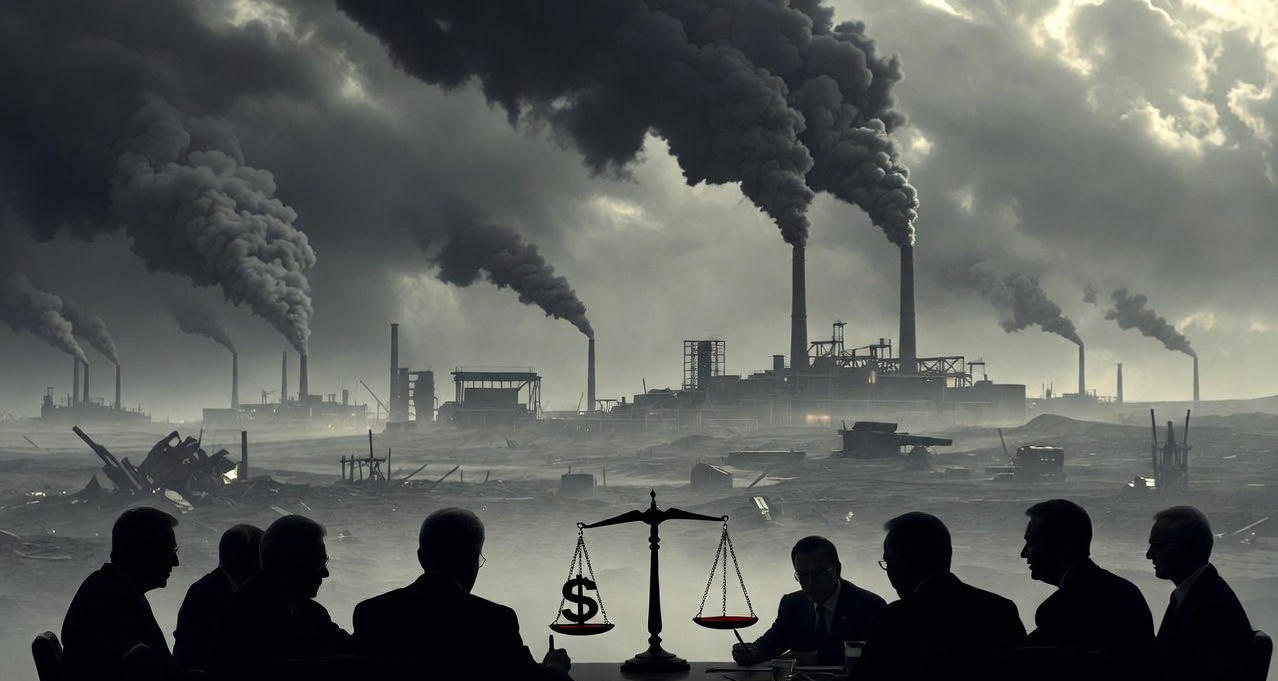
Absolutely something, if you ask the right people.
Four years into Russia’s invasion of Ukraine, the old Edwin Starr lyric rings hollow. War is no longer just death and destruction; it has become a sprawling, multibillion-dollar engine that redistributes wealth, reorders alliances, and decides who will dominate the 21st century. Beneath the rubble of Donbas and the drone-filled skies over Kyiv, a cold ledger is being written in blood and balance sheets. Here is what the war has actually been “good for,” as of December 2025.
Strategic and Economic Importance of Ukraine to the West
Ukraine’s significance to Western countries—primarily the United States, European Union, and NATO allies—extends far beyond its role as a frontline state in the ongoing conflict with Russia. Financially, supporting Ukraine represents a high-return investment that bolsters Western economies, secures global supply chains, and prevents far costlier future crises. This support, totaling over $500 billion in commitments from the West since 2022 (with the U.S. alone providing about $119 billion and the EU around $258 billion), yields multiple benefits: it recirculates funds into Western industries, degrades Russia’s military and economic power without direct Western casualties, and positions Ukraine as a future market for reconstruction worth an estimated $524 billion over the next decade. Below, I outline the key financial dimensions.
1. Boost to Western Defense Industries and Job Creation
Aid to Ukraine is not a “gift” but a stimulus for Western manufacturing, with the majority of funds staying domestic. For the U.S., approximately 90% of military aid is spent on American-made weapons and equipment, such as Javelin missiles produced in Alabama, rocket systems in Arkansas and Texas, and ammunition across 50 states. This has funded over 100 new industrial facilities, creating thousands of jobs in at least 38 states and revitalizing the defense sector from its post-Cold War dormancy. Overall U.S. aid equates to less than 1% of federal spending and 5% of the defense budget, yet it has driven economic multipliers through procurement and innovation—far outweighing costs like those for routine infrastructure or pandemic relief.
In Europe, joint procurement initiatives (e.g., the EU’s $330 million incentive leading to $12 billion in contracts for artillery and air defense) aggregate demand for economies of scale, spurring production in countries like Germany, France, and Poland. This not only arms Ukraine but rebuilds NATO’s industrial base, enhancing readiness against broader threats like China. Without this, Western defense spending would lag, as evidenced by Europe’s pre-2022 underinvestment.
2. Degradation of Russia’s Economy and Reduced Long-Term Western Costs
By proxy, Ukraine is imposing asymmetric financial pain on Russia, saving the West trillions in potential direct conflict. Russia’s military has lost equipment worth hundreds of billions (equivalent to 10-15 years of its defense budget) and faces sanctions that have shrunk its GDP by 2.1% in 2022, with ongoing export losses in energy and commodities. Western aid has forced Russia into a resource-draining war, limiting its ability to project power elsewhere—such as toward NATO’s Baltic states or the Arctic—without escalating to direct confrontation, which experts estimate could cost the U.S. “astronomical” sums in troops and reconstruction.
A Russian victory would destabilize Europe (Ukraine’s largest trading partner pre-war), spiking energy prices (Russia supplies 40% of EU gas) and food costs, while eroding investor confidence in the rules-based order that underpins Western prosperity. Instead, supporting Ukraine has already humbled Russia, boosting U.S. global leadership and attracting talent/investment through restored trust.
3. Stabilization of Global Food and Commodity Markets
Ukraine’s pre-war exports of wheat (10% of global supply), corn, and sunflower oil fed 400 million people and kept prices stable; disruptions caused a 20-30% spike in global food costs in 2022, hitting low-income Western consumers hardest. As the “breadbasket of Europe,” Ukraine’s fertile black soils and output (e.g., $22 billion in ag exports in 2021) are vital for EU food security. Western aid ensures Ukraine’s agricultural continuity via humanitarian and financial packages, preventing broader inflation and famine risks that could cost the global economy $1-2 trillion annually in volatility.
Additionally, Ukraine’s neon gas (70% of global supply for semiconductors) and critical minerals (lithium, titanium) support Western tech and green energy transitions, diversifying away from China/Russia.
4. Future Reconstruction as a Lucrative Investment Opportunity
Post-war Ukraine offers a $524 billion reconstruction market—larger than the Marshall Plan—focusing on energy, infrastructure, and IT (Ukraine’s sector grew 20% pre-war). Western firms stand to gain from contracts in rebuilding (e.g., EU’s $55 billion pledge through 2027), with private sector involvement from 500+ companies worth $5.2 trillion already committed. This could yield 3-5x returns via exports, jobs, and a pro-Western market of 44 million consumers, anchored by EU integration and reforms.
| Key Financial Benefits to the West | U.S. Impact | EU/NATO Impact | Global Economic Value |
|---|---|---|---|
| Aid Recirculation & Jobs | 90% stays in U.S.; 100+ new factories | €12B in joint contracts | $100B+ in manufacturing stimulus |
| Russia’s Losses | Avoids $1T+ direct war costs | Reduced energy import risks | Sanctions cut Russian GDP 2-5% annually |
| Food/Commodity Stability | Lower inflation (saved $50B in 2022) | Secures 10% global wheat | Prevents $1-2T in volatility |
| Reconstruction Market | $1.3B pledged; tech/minerals access | $55B EU fund; infrastructure wins | $524B over 10 years |
In summary, Ukraine’s importance lies in turning defensive aid into offensive economic gains: weakening adversaries, fortifying alliances, and unlocking markets. Abandoning it would invite chaos costing multiples of current support, while persistence yields a stronger, more prosperous West.
Russia: Bleeding, but Still Profitable—for Now
Moscow has burned through $500 billion and lost equipment worth another $300–400 billion. Its 2025 military budget is an eye-watering 7.2 % of GDP. Yet the Kremlin can still finance the slaughter because three partners keep the cash flowing:
- China buys Russian oil and gas at a 30 % discount and sells the dual-use goods (chips, drone engines, optics) that keep Russian missiles flying. Bilateral trade hit $240 billion in 2023 and keeps climbing.
- Iran has shipped at least 1,700 Shahed drones and 200+ ballistic missiles, earning Tehran hard currency and priceless battlefield data for its own fight against Israel.
- Saudi Arabia, through OPEC+, helped keep oil prices elevated for years—until it didn’t. Riyadh’s 2025 production hikes slashed prices to $66 per barrel, suddenly costing Russia $20 billion a year. The knife can cut both ways.
Russia’s war economy is overheating (17 % interest rates, shrinking National Wealth Fund), but reserves and repression buy it another 12–24 months of high-intensity fighting before something has to give.
The Axis of Enablers
China, Iran, and to a lesser extent North Korea have turned Ukraine into a real-world laboratory. Beijing learns how Western weapons perform against Russian (and Iranian) systems—priceless data for any future Taiwan scenario. Tehran refines its drone swarms and now mass-produces FPV kamikaze drones based on lessons paid for by Ukrainian lives. The war weakens the West, distracts NATO, and costs these regimes almost nothing. For revisionist powers, Ukraine is the gift that keeps on giving.
What’s been the role of each player so far?
China
China maintains an official stance of neutrality in the Russia-Ukraine war, positioning itself as a potential mediator while emphasizing the need for a “political settlement” through dialogue, without preconditions like a full Russian withdrawal from Ukrainian territory. Beijing has repeatedly denied providing lethal weapons to any party and claims to “strictly control” exports of dual-use items. However, substantial evidence from Western intelligence, Ukrainian officials, and international reports indicates China’s active, albeit indirect, support for Russia—enabling Moscow’s war effort economically, technologically, and diplomatically. This dual approach allows China to weaken Western unity, bolster its alliance with Russia, and profit from discounted energy imports, all while avoiding direct military involvement that could invite broader sanctions. Below, I break down the key aspects.
1. Economic Lifeline: Trade and Sanctions Evasion
China has become Russia’s economic backbone, offsetting Western sanctions and funding the war. Bilateral trade hit a record $240 billion in 2023 and continues to grow, with China importing over $150 billion in Russian oil and gas from January 2023 to January 2025 alone—often at steep discounts (up to 30% below market prices). This revenue stream has sustained Russia’s military spending despite G7 sanctions.
- Key Mechanisms: China facilitates sanctions evasion via “shadow fleets” of oil tankers and third-party intermediaries. In October 2025, the EU’s 19th sanctions package targeted four Chinese entities, including oil refineries, for enabling this. Beijing also provides financial tools, such as yuan-based transactions, to bypass SWIFT restrictions.
- Impact: Without China, Russia’s economy would have contracted far more sharply; experts estimate it has shrunk Russia’s GDP by only 2-5% annually, compared to potential 10-15% without support.
China rejects these accusations, with Foreign Ministry spokespersons like Lin Jian stating it “does not provide weapons to warring parties” and criticizing the West for “smearing” Beijing.
2. Military and Technological Support: Dual-Use Goods and Beyond
While China insists it supplies no lethal aid, it dominates Russia’s imports of dual-use technologies critical for warfare—accounting for nearly 80% of such goods, per U.S. State Department assessments. This includes components for drones, missiles, and artillery, often routed through front companies.
| Category | Examples of Chinese Support | Impact on Russia’s War Effort | Sources of Evidence |
|---|---|---|---|
| Drone & Missile Components | Engines, chips, optics, control systems, lithium-ion batteries ($50M exported in Aug 2025 alone); fiber-optic cables (328,000 miles in Aug 2025). | Enables production of attack drones like Shahed-136; Chinese parts found in 90% of downed Russian drones. | U.S. Treasury sanctions on 42 Chinese firms (2025); Bloomberg reports on export curbs affecting Ukraine. |
| Intelligence Sharing | Satellite reconnaissance data for targeting Ukrainian infrastructure, including foreign-invested sites. | Improves accuracy of Russian missile strikes; e.g., coordinated with recent Kyiv attacks killing 14. | Ukrainian Foreign Intelligence Agency (Oct 2025); Reuters. |
| Direct Arms Production | Russian firm IEMZ Kupol building drones in Chinese factories; gunpowder, chemicals, and machinery to 20+ Russian defense plants. | Scales up Russia’s drone output to 1,000+/month; anti-drone systems like Silent Hunter used against Ukrainian UAVs. | Reuters (Sep 2025); DW News investigation. |
| Personnel | Chinese nationals (e.g., Zhang and Wang) captured fighting for Russia; reports of 600+ PLA personnel training in Russia (late 2025). | Supplements Russian manpower shortages; potential tech transfer. | Ukrainian captures (Apr 2025); Zelenskyy statements. |
Ukraine’s drone imports (e.g., 4,000 DJI units in 2023) highlight irony: China supplies both sides but restricts exports to Kyiv via 2024-2025 curbs, per Bloomberg. The U.S., EU, G7, and NATO have sanctioned dozens of Chinese entities, with the Biden/Trump administrations labeling China Russia’s “main sponsor and accomplice.”
3. Diplomatic Stance: “Neutrality” with a Pro-Russia Tilt
China’s 12-point peace plan (Feb 2023, updated May 2024) echoes Kremlin narratives—blaming NATO expansion and calling for talks without Russian troop withdrawal—while upholding Ukraine’s “territorial integrity” in principle but not practice (e.g., no recognition of Crimea annexation). Xi Jinping has hosted Putin multiple times (e.g., SCO summit Aug-Sep 2025) and floated China as a “security guarantor” for postwar Ukraine, per Axios sources, but rejected Western-led summits like Switzerland’s June 2024 event.
- Mediation Efforts: Beijing sent envoys to Global South nations (e.g., Brazil, Indonesia) in 2024-2025 and hosted talks in Dec 2025 inviting Putin, Zelenskyy, and Trump. However, it urged abstentions from Ukraine’s peace summit, claiming it would “prolong the war.”
- Recent Diplomacy: During Macron’s Dec 2025 Beijing visit, Xi reiterated a “constructive role” but opposed “blame-shifting.” European leaders (e.g., von der Leyen, Sikorski) urged China to pressure Russia for concessions, but Beijing prioritizes its “no-limits” partnership with Moscow (declared pre-invasion).
Publicly, China criticizes NATO for “instigating confrontation” and supports UN-led resolutions, but privately, Xi told EU officials in 2024 that Beijing does not want Russia’s defeat.
4. Strategic Motivations and Broader Implications
China’s involvement stems from geopolitical calculus:
- Anti-Western Axis: The war distracts NATO, exposes U.S. overextension, and aligns with Russia’s challenge to the “Eurocentric” order—benefiting China’s Taiwan ambitions (drawing lessons from Ukraine’s asymmetric tactics).
- Economic Gains: Cheap Russian energy fuels China’s growth; postwar reconstruction ($524B market) offers contracts for Chinese firms.
- Risks: Escalating sanctions (e.g., U.S. 100% tariffs threatened in Jul 2025) and strained EU ties could backfire, but Beijing views Russia as a disposable proxy in a “war of attrition” against the West.
Critics like Zelenskyy accuse China of direct weaponry (Apr 2025), while U.S. officials warn of “consequences.” A leaked Russian FSB document (Jun 2025) reveals underlying distrust—labeling China an “enemy” for espionage—but public ties remain ironclad.
In essence, China’s role is that of an enabler: not a belligerent, but a vital sustainer of Russia’s campaign, undermining peace efforts while advancing Beijing’s global influence. True neutrality would require halting dual-use exports and pressuring Putin—steps China shows no intent to take. For the latest, ongoing U.S.-EU sanctions and Trump’s peace push could force Beijing’s hand, but Xi’s alignment with Putin suggests prolonged indirect involvement.
Iran
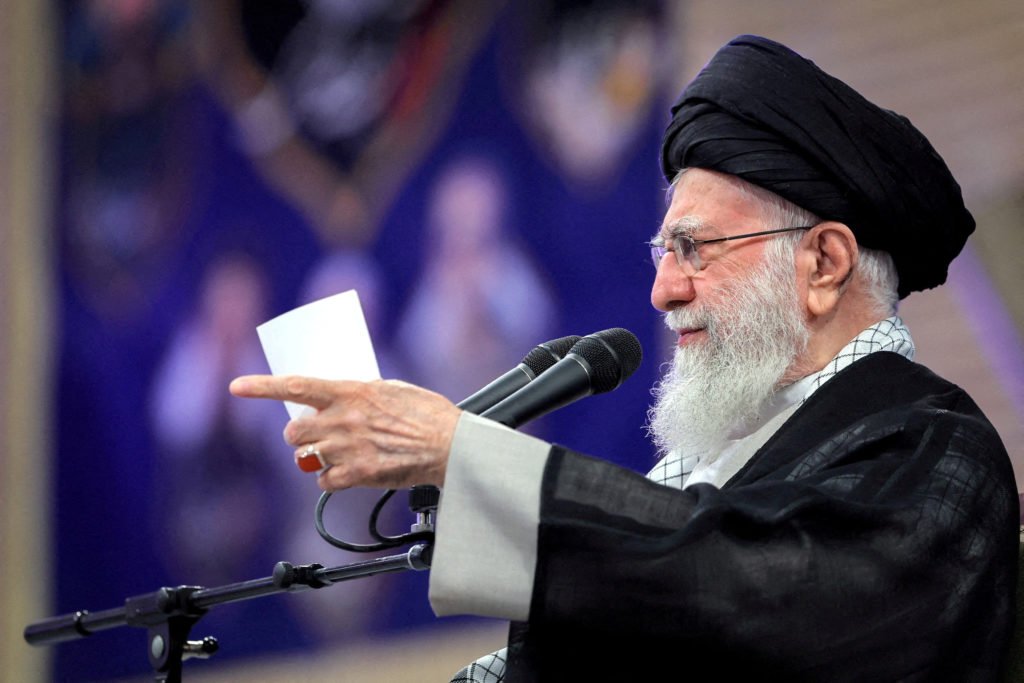
Iran officially maintains a neutral stance on the Russia-Ukraine war, advocating for a “political settlement” and ceasefire while condemning the conflict as a threat to global stability. Tehran has repeatedly denied providing lethal weapons to Russia, with Foreign Ministry spokespersons like Nasser Kanaani dismissing such claims as “baseless Western propaganda.” However, extensive evidence from Western intelligence, Ukrainian investigations, and international reports reveals Iran’s substantial military, technological, and diplomatic support for Moscow—making it a key enabler of Russia’s war effort. This involvement has escalated since 2022, with Iran supplying critical drones and missiles, training Russian personnel, and facilitating production transfers. In return, Russia provides Iran with advanced technologies, including potential nuclear and electronic warfare (EW) systems, strengthening their “strategic partnership” amid shared anti-Western goals. Below, I detail the main facets, drawing on recent developments like the EU’s November 2024 sanctions expansion and U.S. actions in November 2025.
1. Military and Technological Support: Drones, Missiles, and Training
Iran’s primary contribution is in unmanned aerial vehicles (UAVs) and ballistic missiles, which have become staples of Russian strikes on Ukrainian infrastructure and cities. Since late 2022, Russia has deployed thousands of Iranian-designed Shahed-136 “kamikaze” drones, which are cheap ($20,000–$50,000 each) and effective for overwhelming air defenses. These have been used in over 600 raids on civilian targets, including a May 17, 2025, attack killing 13 and injuring 32. By November 2025, Iran has supplied at least 1,700–2,400 Shahed-series drones, along with Mohajer reconnaissance models, enabling Russia to conserve its precision-guided munitions.
- Escalation to Missiles: In September 2024, Western allies accused Iran of delivering 200+ Fath-360 short-range ballistic missiles (range: 120–300 km), with reports of Zolfaghar and Fateh variants following. These allow strikes near front lines, preserving Russia’s stockpiles for deeper targets. Iran has also shared blueprints and helped establish drone factories in Russia’s Tatarstan region (Alabuga) and Syria, producing upgraded “Geran” variants that outperform originals.
- Training and Personnel: Islamic Revolutionary Guard Corps (IRGC) experts have trained Russian forces in Crimea since October 2022, with some killed in Ukrainian strikes. Recent X posts highlight IRGC General Mohammad Hadi Sefidchan stating Iran is “among the top countries learning from the Russia-Ukraine war,” launching mass production of FPV kamikaze drones for its own forces based on battlefield data.
| Category | Iranian Contributions | Impact on Russia/Ukraine | Recent Evidence (2025) |
|---|---|---|---|
| Drones (Shahed-136/131) | 1,700+ supplied; components via Turkey/China; Syrian/Russian factories | Overwhelms defenses; 90% of downed drones contain Iranian parts; used in 600+ civilian attacks | May 17 strikes kill 13; Alabuga production ramps up |
| Missiles (Fath-360, Zolfaghar) | 200+ short-range ballistic missiles; tech transfers | Enables tactical strikes; conserves Russian stocks | Sep 2024 deliveries confirmed; EU sanctions Oct 2024 |
| Training/Tech | IRGC in Crimea; EW/missile lessons shared | Improves Russian ops; Iran gains Ukraine data for own arsenal | IRGC FPV drone production announced Dec 2025 |
Many components (52–57 per drone) are Western-sourced via third countries like Turkey and India, prompting sanctions on global networks.
2. Diplomatic Stance: Alignment with Russia
Iran has consistently sided with Moscow at the UN, voting against resolutions condemning the invasion (e.g., March 2022) and abstaining from others. Supreme Leader Ali Khamenei blamed NATO expansion, echoing Kremlin narratives, while President Ebrahim Raisi (pre-2024 death) called for “swift peace” without addressing Russia’s role. The January 2025 Russia-Iran strategic partnership lacks a mutual defense clause but deepens ties in arms and sanctions evasion.
Tehran rejected Ukraine’s peace summits and hosted Putin multiple times, including at the 2025 SCO summit. Iran’s 2023–2024 peace plans mirror Russia’s, omitting troop withdrawal demands. This alignment has strained Iran-Ukraine ties, leading to Kyiv expelling Iran’s ambassador in 2022.
3. Sanctions and International Response
Iran’s role has triggered escalating penalties, violating UNSC Resolution 2231 (arms embargo until October 2025, now under snapback review). The EU’s framework (extended to July 2025) bans UAV/missile exports to Iran and lists 33+ entities since 2022, including Saha Airlines for shipments. In November 2025, the U.S. sanctioned 32 entities across 8 countries (including Ukrainian firms GK Imperativ and Ekofera) for procuring drone parts, following UN snapback on September 27. Zelenskyy has warned of a “ruthless” response, while NATO views Iran as a direct threat to Europe’s east and south.
4. Strategic Motivations and Broader Implications
Iran’s support is pragmatic: It gains revenue ($100M+ from drone sales), operational data to refine its arsenal (e.g., against Israel), and Russian tech like Su-35 jets and EW systems—though deliveries lag due to Russia’s Ukraine focus. The war distracts the West, weakens NATO unity, and boosts Iran’s role in a “revisionist axis” with Russia, China, and North Korea.
Post-12-Day War (June 2025 Israel-U.S. strikes), Iran deepened ties with Moscow for deterrence, despite Russia’s limited aid. Risks include further isolation and nuclear snapback sanctions by October 2025. For Ukraine, Iranian weapons prolong attrition, costing billions in defenses; globally, they normalize low-cost drone warfare, influencing conflicts from Yemen to Taiwan.
In summary, Iran acts as Russia’s indispensable arsenal partner, shifting from client to co-dependent in a mutually beneficial but asymmetric alliance. While not a direct combatant, its contributions have extended the war, drawing sharp Western reprisals and underscoring Tehran’s bet on a multipolar order against U.S. dominance. Ongoing sanctions and Ukraine’s resilience may pressure Iran to scale back, but recent IRGC statements suggest deepening involvement.
Israel
Israel’s role in the Russia-Ukraine war remains one of deliberate neutrality, carefully calibrated to prioritize its immediate security interests—particularly countering Iranian threats in Syria—over deeper alignment with Western allies supporting Kyiv. Jerusalem has condemned Russia’s invasion in principle but avoided sanctions, lethal aid, or actions that could provoke Moscow, such as direct arms transfers to Ukraine. This “walking the very narrow bridge” approach stems from Russia’s de facto veto power over Israeli airstrikes in Syria, where Moscow controls airspace and maintains bases despite the 2024 fall of Bashar al-Assad. However, escalating U.S. pressure under the Trump administration, combined with the June 2025 Israel-Iran war, has introduced tensions, including indirect impacts on Ukraine via diverted Western aid. Below, I outline the key dimensions, incorporating recent developments like intensified Netanyahu-Putin dialogues and UN voting alignments.
1. Diplomatic Stance: Condemnation Without Escalation
Israel initially condemned the February 2022 invasion under Prime Minister Naftali Bennett, who mediated early talks between Kyiv and Moscow. Under Benjamin Netanyahu (since late 2022), rhetoric has softened to preserve ties with Putin. Key actions include:
- UN Votes: In February 2025, Israel joined Russia and the U.S. in opposing a UN General Assembly resolution reaffirming Ukraine’s territorial integrity, framing it as support for Trump’s peace initiatives. Israel also abstained from or opposed resolutions on Russian reparations, citing mediation opportunities.
- High-Level Engagement: Netanyahu and Putin held four phone calls in 2025 (up from none in 2024), discussing WWII history, hostage releases from Hamas (e.g., dual Israeli-Russian nationals), and Syrian stability. In March 2025, Russia invited Israel to its Victory Day Parade, excluding most Western nations. Israel lobbied Washington in February 2025 to allow Russian bases in Syria as a counterweight to Turkey.
- Mediation Efforts: Bennett’s 2022 shuttle diplomacy evolved into Netanyahu’s “looking into” peace roles, but Israel rejected coordinating with Turkey’s parallel efforts.
This neutrality has drawn criticism from Ukraine and the West, with Kyiv expelling Russia’s ambassador in 2022 but maintaining ties with Israel.
2. Military and Technological Support: Limited and Indirect
Israel has rebuffed Zelenskyy’s repeated pleas for lethal aid, citing risks to Russian-Israeli coordination in Syria. No direct transfers of systems like Iron Dome have occurred, despite Ukraine’s adoption of Israeli tech pre-war.
| Category | Israeli Actions | Impact/Limitations | Recent Developments (2025) |
|---|---|---|---|
| Air Defense & Alerts | Installed missile alert system in Kyiv (operational May 2023); returned 90 U.S.-owned Patriot interceptors via U.S. to Ukraine (Jan 2025). | Enhances civilian warnings; denied as “Israeli supply” to avoid Moscow ire. | System expanded amid Russian strikes; no lethal tech shared. |
| Captured Weapons | Discussions (Jan 2025) to transfer Russian-made arms seized from Hamas/Hezbollah (60%+ of IDF captures). | Could arm Ukraine without “Israeli” origin; opposed by Netanyahu. | Liberal Likud politicians pushed, but no transfers confirmed. |
| Intelligence & Training | Shared intel on Iranian drones (Shaheds) used by Russia; trained Ukrainian forces pre-2022. | Helps counter Iranian tech in Ukraine; limited post-invasion. | Post-June Iran war, Israel gained more data but prioritized domestic threats. |
| No Lethal Aid | Refused drones, missiles, or offensive systems. | Preserves Syria ops; U.S. pressure mounting. | Trump admin. urged review, but Jerusalem holds firm. |
In July 2025, an Israeli system became operational for Ukrainian alerts, credited to Netanyahu’s involvement.
3. Humanitarian and Economic Aid: The Core of Visible Support
Israel has provided over $100 million in aid since 2022, focusing on non-military relief:
- Evacuated 20,000+ Ukrainians (many Jewish) via “direct flights” to Israel.
- Sent medical teams, field hospitals, and $50 million+ in supplies (e.g., 2023-2025 packages).
- Hosted 15,000+ Ukrainian refugees; absorbed 3,000 Jewish immigrants under Law of Return.
No economic sanctions on Russia, aligning with abstainers like China and India. Trade with Russia continues ($3B+ annually), including energy imports.
4. Strategic Motivations: Balancing Russia, Iran, and the West
Israel’s caution is driven by:
- Syria Leverage: Russia’s presence deters Iranian entrenchment; post-Assad (2024), Israel intensified strikes but sought Russian non-interference. Putin warned against strikes near Russian bases in 2025.
- Iran Factor: Russia’s alliance with Tehran (e.g., Su-35 jets) heightens risks; Israel monitors for increased Moscow-Iran arms flows that could trigger pro-Ukraine shifts.
- U.S. Ties & Trump Era: Alignment with Trump’s “America First” (e.g., shared UN vote) eases pressure, but Washington pushes for more Ukraine support to counter Russia’s Global South pivot (anti-Israel rhetoric).
- Domestic Politics: Ukraine ranks low on Israel’s agenda amid Gaza/Hezbollah conflicts; pro-Ukraine voices (e.g., opposition) are marginalized.
5. Broader Impacts: The Israel-Iran War’s Ripple Effects
The June 13, 2025, Israeli strikes on Iran’s nuclear sites and leadership—killing top IRGC officials—have indirectly bolstered Russia at Ukraine’s expense.
- Aid Diversion: U.S. redirected 20,000 anti-drone missiles from Ukraine to Israel (June 9, 2025), weakening Kyiv’s defenses against Russian/Iranian Shaheds. Zelenskyy warned of “more losses”; analysts predict further shifts under Trump.
- Russian Gains: Moscow condemned the strikes (hypocritically, per observers) but benefits from distracted Western media/U.S. focus, easing ceasefire pressure. Russia provides Iran diplomatic/intel support, potentially deepening the axis. Oil prices spiked, funding Russia’s war ($150B+ energy exports to China/India).
- Ukrainian Fears: Experts like Lt. Gen. Ihor Romanenko note no illusions—arms for Ukraine are rerouted, prolonging attrition.
X discussions echo this, with users decrying U.S. prioritization of Israel amid failed Russia-Ukraine talks.
In summary, Israel’s involvement is peripheral and self-serving: humanitarian gestures and tech tweaks to Ukraine, balanced by pro-Russia diplomacy to safeguard Syrian operations. The 2025 Iran war amplified drawbacks for Kyiv, diverting aid and spotlight while empowering Moscow. As Trump pushes peace deals, U.S. leverage may force Israel toward modest pro-Ukraine steps, but Jerusalem’s calculus—Russia as “useful restraint” on Iran—suggests continuity unless Moscow crosses red lines like arming Hezbollah. This neutrality frustrates allies but insulates Israel from the war’s fringes.
Saudi Arabia
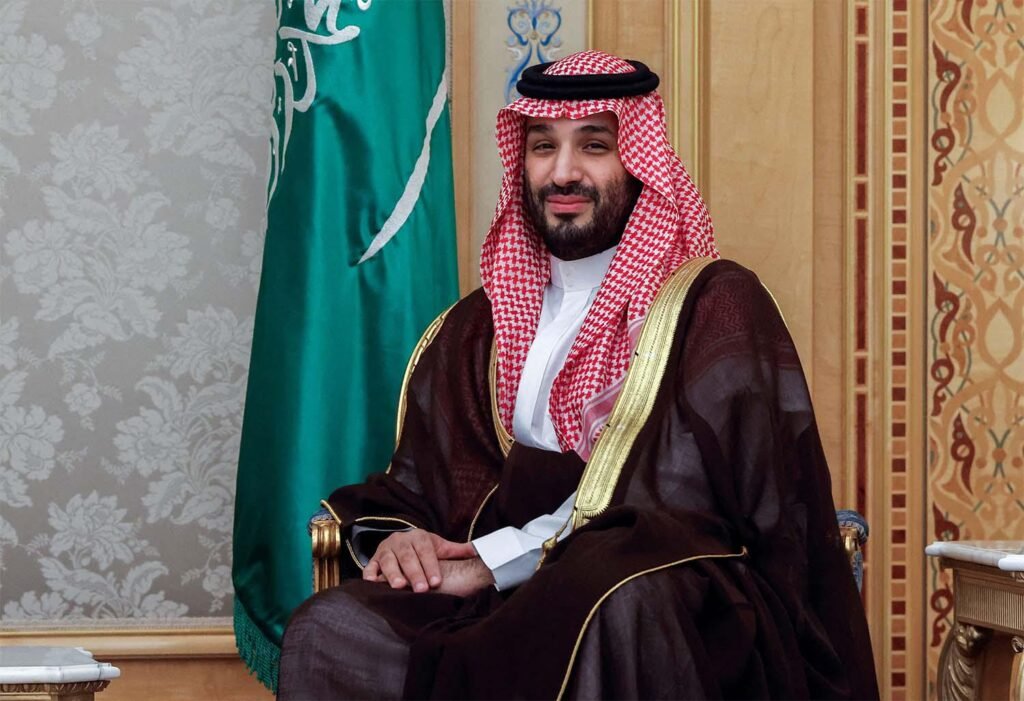
As of December 2025, Saudi Arabia has positioned itself as a pivotal neutral mediator in the Russia-Ukraine war, leveraging its “positive neutrality” to host high-stakes diplomatic talks, facilitate prisoner exchanges, and provide humanitarian aid—while maintaining close economic ties with Russia through OPEC+. Riyadh’s approach reflects Crown Prince Mohammed bin Salman’s (MBS) broader strategy to elevate Saudi Arabia’s global influence, balancing relations with the U.S., Russia, Ukraine, and the Global South amid Vision 2030 diversification efforts. This has made the kingdom a preferred venue for U.S.-led peace initiatives under President Trump, though critics question its impartiality given OPEC+ decisions that have indirectly bolstered Russia’s war funding. Below, I outline the key aspects, focusing on 2025 developments like the Riyadh and Jeddah summits that advanced ceasefire proposals.
1. Diplomatic Mediation: Hosting Key Peace Talks
Saudi Arabia has emerged as a central hub for negotiations, outshining rivals like Türkiye and China due to its perceived neutrality and ties to all parties. In early 2025, Riyadh hosted the first U.S.-Russia talks in three years, followed by U.S.-Ukraine discussions, leading to a proposed 30-day ceasefire.
- Major 2025 Events:
- February 11: Saudi Arabia facilitated U.S.-Ukraine talks in Riyadh, mending strains post-Trump-Zelenskyy Oval Office spat.
- February 18: U.S. Secretary of State Marco Rubio met Russian Foreign Minister Sergey Lavrov in Riyadh—the highest-level U.S.-Russia engagement since 2022—focusing on ceasefire frameworks and Black Sea shipping safety.
- March 10-11: Zelenskyy met MBS in Jeddah; U.S. and Ukrainian officials (including Rubio, National Security Advisor Mike Waltz, and Ukrainian counterparts) agreed to a 30-day ceasefire (extendable), with the U.S. resuming aid and intelligence sharing. Zelenskyy called it a “positive step,” urging Russia to reciprocate.
- March 23: Further U.S.-Ukraine talks in Riyadh preceded a U.S.-Russia meeting, emphasizing economic incentives like Ukraine’s minerals.
These efforts build on 2023’s Jeddah summit (40+ countries, no Russia) and align with Trump’s “America First” push for quick resolutions. Saudi Arabia’s “good offices” avoid direct mediation, focusing on facilitation in opulent venues like the Ritz-Carlton, away from media glare.
| Key 2025 Saudi-Hosted Talks | Participants | Outcomes/Agenda |
|---|---|---|
| Feb 11: U.S.-Ukraine | Rubio, Zelenskyy aides | Mended U.S.-Ukraine ties; ceasefire groundwork. |
| Feb 18: U.S.-Russia | Rubio/Lavrov; MBS/Foreign Minister Faisal bin Farhan | Framework for peace; embassy staffing restoration; economic opportunities. |
| Mar 10-11: Zelenskyy-MBS & U.S.-Ukraine | Zelenskyy, Rubio, Ukrainian FM/Defense Minister | 30-day ceasefire proposal; U.S. aid resumption; minerals deal discussions. |
| Mar 23: U.S.-Ukraine/Russia | U.S. envoys Witkoff, Ukrainian Defense Minister Umerov | Progress on concessions; Russian reciprocity emphasized. |
2. Economic Ties: OPEC+ and Oil Market Influence
Saudi Arabia’s OPEC+ partnership with Russia—producing 30% of global oil—has indirectly sustained Moscow’s war economy, though 2025 production hikes signal a pivot toward U.S. alignment. Riyadh abstained from Western sanctions, prioritizing hydrocarbon stability for its $81/barrel budget breakeven.
- Supportive Actions: In 2022-2023, Saudi-led cuts (e.g., 2M bpd in Oct 2022) boosted prices, aiding Russia’s revenues (oil/gas = 25-30% of its budget). Cooperation continued into 2025, with small increases (137k bpd in Oct) balancing Russian pressure to curb output amid U.S. sanctions.
- Shifts in 2025: Responding to Trump’s calls, Saudi Arabia ramped up production (abandoning $100/barrel target), dropping prices to ~$66/barrel—straining Russia’s budget by ~$20B (1% GDP) and pressuring Putin toward talks. Analysts warn this could force Moscow to cut war spending or inflate further.
- Broader Impact: Ties with Russia (e.g., MBS-Putin friendship since 2015) aid diversification from U.S. reliance, but U.S. sanctions create dilemmas—Riyadh faces calls to “rethink” relations.
3. Humanitarian and Practical Support
Saudi Arabia has committed ~$500M+ in aid since 2022, emphasizing neutrality:
- February 2023: $400M package ($300M oil derivatives, $100M via KSRelief).
- March 2025: $5.15M with UN Population Fund for vulnerable groups.
- Ongoing: Mediated 2022-2024 prisoner swaps (e.g., Russia-Ukraine, Bout-Griner); hosted Ukrainian refugees; owns major Ukrainian ag firms, tying economic interests to stability.
UN votes show ambivalence: Supported resolutions condemning Russia’s invasion/annexations but abstained on sanctions/reparations.
4. Strategic Motivations and Implications
Saudi Arabia’s role advances MBS’s rehabilitation post-Khashoggi, positioning Riyadh as a “global peacekeeper” alongside UAE efforts (e.g., Ethiopia-Eritrea 2018). Key drivers:
- Neutrality Leverage: Strong U.S. ties (Trump’s $600B Saudi investment pledge) + Russia friendship (OPEC+) + Ukraine engagement (Zelenskyy visits) make it “indispensable.”
- Geopolitical Gains: Counters Iran (Russia’s ally); boosts BRICS/Global South clout; eyes post-war Ukraine reconstruction ($524B market).
- Risks/Criticisms: Perceived pro-Russia tilt (e.g., oil cuts as “gift” to Putin) strains U.S. ties; Ukraine fears concessions favor Moscow. X discussions highlight competition with Türkiye and optimism for Trump’s peace push.
In essence, Saudi Arabia acts as a pragmatic enabler of dialogue, using economic clout and diplomacy to bridge divides—potentially accelerating a Trump-brokered endgame. While its neutrality is debated, Riyadh’s 2025 hosting of breakthroughs underscores its ascent as a multipolar mediator, though sustained Russian intransigence could test this role. Ongoing U.S.-Russia channels via Saudi Arabia may yield a ceasefire soon, but full peace hinges on territorial/minerals compromises.
North Korea
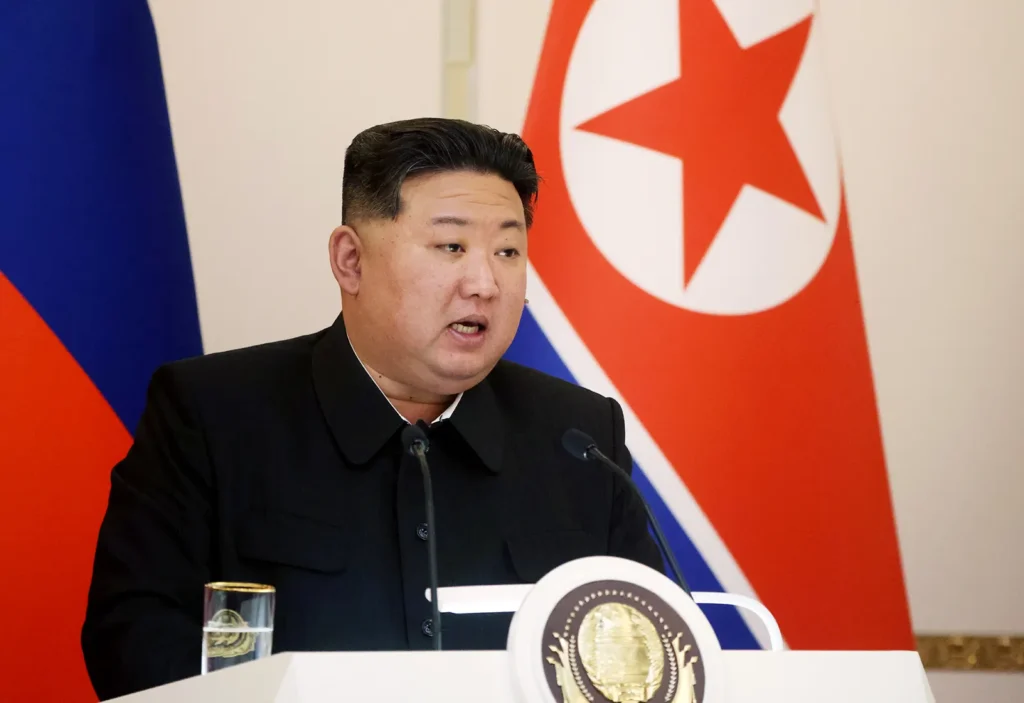
North Korea has evolved from a peripheral rhetorical supporter of Russia’s invasion to a direct military participant and key supplier in the conflict, marking one of the most significant escalations in Pyongyang’s foreign engagements since the Korean War. Officially, North Korea frames its involvement as a “militant solidarity” against “neo-Nazi occupiers,” aligning with Kremlin propaganda, but in practice, it serves as a transactional lifeline for Moscow amid sanctions and manpower shortages. This deepening partnership—sealed by a June 2024 mutual defense treaty—has drawn sharp condemnation from the U.S., EU, and Ukraine, prompting new sanctions and highlighting the war’s transformation into a proxy conflict involving the “CRINK” axis (China, Russia, Iran, North Korea). Below, I detail the multifaceted role, based on intelligence assessments, UN reports, and recent developments like the October 2025 museum honoring fallen North Korean troops.
1. Military Support: Ammunition, Missiles, and Direct Combat Troops
North Korea’s contributions began with arms shipments in late 2022 and escalated to troop deployments by October 2024, filling critical gaps in Russia’s arsenal and frontline forces. Pyongyang has supplied over 12 million artillery shells by July 2025—accounting for up to 70% of Russian artillery munitions—and more than 140 Hwasong-11 (KN-23/KN-24) short-range ballistic missiles, used in strikes on Ukrainian cities like Kyiv (e.g., an April 2025 attack killing 12). These missiles, with warheads up to one tonne, outperform some Russian equivalents and have enabled escalated airstrikes on civilian infrastructure.
Troop involvement marks a historic shift: North Korea confirmed deploying around 12,000 soldiers (including 500 officers and three generals) in April 2025, initially trained in eastern Russia and disguised in Russian uniforms to evade detection. These forces, integrated into Russian units like the 51st Combined Arms Army, played a pivotal role in reclaiming the Kursk region from Ukrainian incursions in spring 2025. By mid-2025, deployments reached 15,000, with plans for up to 30,000 more by year-end, including special forces for reconnaissance and drone operations. Ukrainian forces reported first clashes in January 2025, capturing two wounded North Korean POWs in Kursk—the first confirmed prisoners. Casualties have been heavy: South Korea estimates 2,000 killed by September 2025 (about 20% of initial deployments), leading to a partial withdrawal in January before reinforcements in March (3,000 additional troops).
Non-combat roles further extend involvement:
- Engineering and Logistics: In June 2025, Russia announced 1,000 North Korean sappers for Kursk demining and 5,000 for reconstruction; by November, 5,000 engineering troops were reported near the border, with 1,000 more clearing mines alongside Russians. Ukraine’s GUR noted 12,000 workers heading to Tatarstan’s Alabuga zone by December for Shahed drone production, via front companies like Jihyang Technology (linked to North Korea’s nuclear program).
- Training Exchanges: North Korean troops receive Russian tactics, while IRGC-style advisors train them in Crimea; this has improved Pyongyang’s drone warfare, with lessons from Ukraine applied to its arsenal.
| Category | North Korean Contributions | Impact on Russia’s War Effort | Casualties/Scale (2025) |
|---|---|---|---|
| Artillery Shells | 12M+ total (up to 70% of Russian use); multiple-launch rocket systems, long-range guns | Sustains grinding offensives (e.g., Pokrovsk); offsets sanctions | N/A; shipments via rail (disrupted by Ukrainian sabotage) |
| Ballistic Missiles | 140+ KN-23/KN-24 (Hwasong-11 series) | Escalates strikes on infrastructure; “terrorizes” cities per UN report | Parts recovered in 90% of analyzed strikes |
| Troops (Combat) | 12,000-15,000 initial; up to 30,000 planned | Frontline assaults in Kursk; recon with drones | ~2,000 killed; 6,000+ casualties (50% of original force) |
| Support Roles | 5,000+ engineers/sappers; 12,000 drone factory workers | Frees Russian troops; tech transfer for NK drones | Minimal reported; ongoing deployments |
2. Diplomatic and Rhetorical Alignment
North Korea has consistently backed Russia at the UN, voting against resolutions condemning the invasion (e.g., March 2022) and recognizing the Donetsk/Luhansk “republics” in 2022—one of only five nations to do so. In a December 2025 UN General Assembly vote (91-12 on child abductions), Pyongyang joined Russia, Belarus, and Nicaragua in opposition. The June 2024 treaty commits mutual defense, with Kim Jong Un hailing it as an “invincible alliance” in October 2025 during a Pyongyang museum opening for Kursk “liberators.” High-level visits, including Shoigu’s late-October trip to North Korea and Belarus, underscore integration into the CRINK framework.
Recent revelations add a darker layer: In December 2025, U.S. Senate hearings exposed Russia’s transfer of abducted Ukrainian children (e.g., 12-year-old Mykhailo and 16-year-old Liza) to at least 165 military camps in Russia—and now North Korea—for indoctrination and training as future fighters. Human rights groups like those represented by Kateryna Rashevska called this “turning Ukraine’s population into mindless killers” for broader European incursions.
3. Strategic Motivations and Benefits for North Korea
Pyongyang’s involvement is quid pro quo: Russia provides food, energy, and advanced tech to alleviate sanctions-induced shortages, while North Korea tests weapons in real combat and gains battlefield data (e.g., drone tactics against Western systems). In exchange for munitions and troops, Moscow has upgraded Pyongyang’s Soviet-era arsenal, including potential nuclear submarine, ICBM, and satellite tech—advancing North Korea’s threats to South Korea and the U.S. Kim’s public acknowledgment of deaths in August 2025 (first state media footage) signals commitment, viewing the war as a “new history” of anti-Western solidarity.
For Russia, North Korean aid signals desperation: Manpower shortages (e.g., high casualties in Pokrovsk) and munitions depletion make Pyongyang “indispensable,” per CFR analysis. Yet, North Korean troops’ “relative ineffectiveness” (e.g., inadequate artillery cover leading to captures) limits strategic gains.
4. International Response and Sanctions
The U.S., EU, G7, and UN have imposed escalating penalties, violating UNSC Resolution 1718 (arms embargo). November 2025 U.S. sanctions targeted 32 entities in North Korean weapons networks; the EU’s framework bans exports to Pyongyang. Ukraine’s Rustem Umerov noted integration challenges (e.g., Buryat disguises), but warned of adaptation in drone ops. Zelenskyy has called for “ruthless” countermeasures, while NATO views this as a direct threat, linking it to broader revisionism (e.g., Taiwan risks).
5. Broader Implications
North Korea’s role prolongs the war, enabling Russian advances like Kursk reclamation but exposing Moscow’s weaknesses—reliance on “cannon fodder” from abroad. For Pyongyang, it’s a high-stakes gamble: Gains in tech and alliances (e.g., with Iran/China) bolster regime survival, but heavy losses and global isolation risk backlash. As Trump-era peace talks (e.g., Jeddah) intensify, North Korean involvement could complicate ceasefires, with potential for up to 150,000 more troops if escalations continue. This “Asian dimension” of the European war underscores a multipolar shift, where Ukraine’s defense now counters threats from Pyongyang to the Pacific.
In essence, North Korea is no longer a bystander but a co-belligerent, trading lives and shells for survival tools—turning Putin’s war into Kim’s opportunistic frontier. Sustained Western pressure on supply lines (e.g., Trans-Siberian sabotage) may curb this, but the axis endures, reshaping global security.
Ukraine: The Country That Cannot Afford to Lose
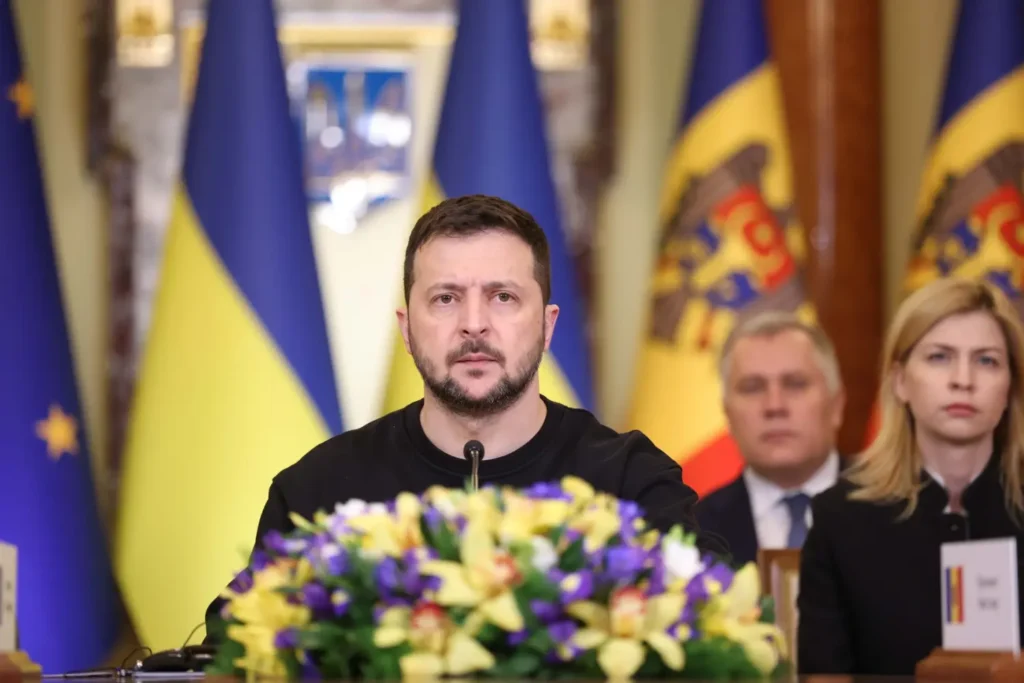
Kyiv’s 2025 budget deficit is 20–24 % of a shrinking GDP. It needs $38–41 billion in external financing every single year just to survive. Without full Western commitment, collapse is measured in months, not years. With it, Ukraine can fight indefinitely—because every dollar spent on its defense is a dollar spent in American and European factories. The cruel arithmetic: Ukraine pays with its blood so that others can pay with their taxes and still come out ahead.
The Bottom Line
War, it turns out, is good for:
- revitalizing Western defense industries,
- stress-testing Chinese and Iranian weapons,
- elevating Saudi Arabia’s global stature,
- keeping Russia a useful (if wounded) spoiler,
- and reminding everyone that great-power competition never went away—it just got outsourced.
The only people for whom this war is not good are the ones dying in it, the millions displaced, and the country being erased block by block. Everyone else—at least on the financial and strategic ledgers—is still in the black.
So maybe the old protest song was wrong. War is good for absolutely something. The question is only: good for whom, and for how much longer?
Because even the most profitable war eventually reaches a point where the returns diminish, the bodies pile too high, and someone—Russia, the West, or both—decides the cost-benefit curve has finally bent the wrong way.
That moment is closer than it was a year ago. But it is not here yet.