
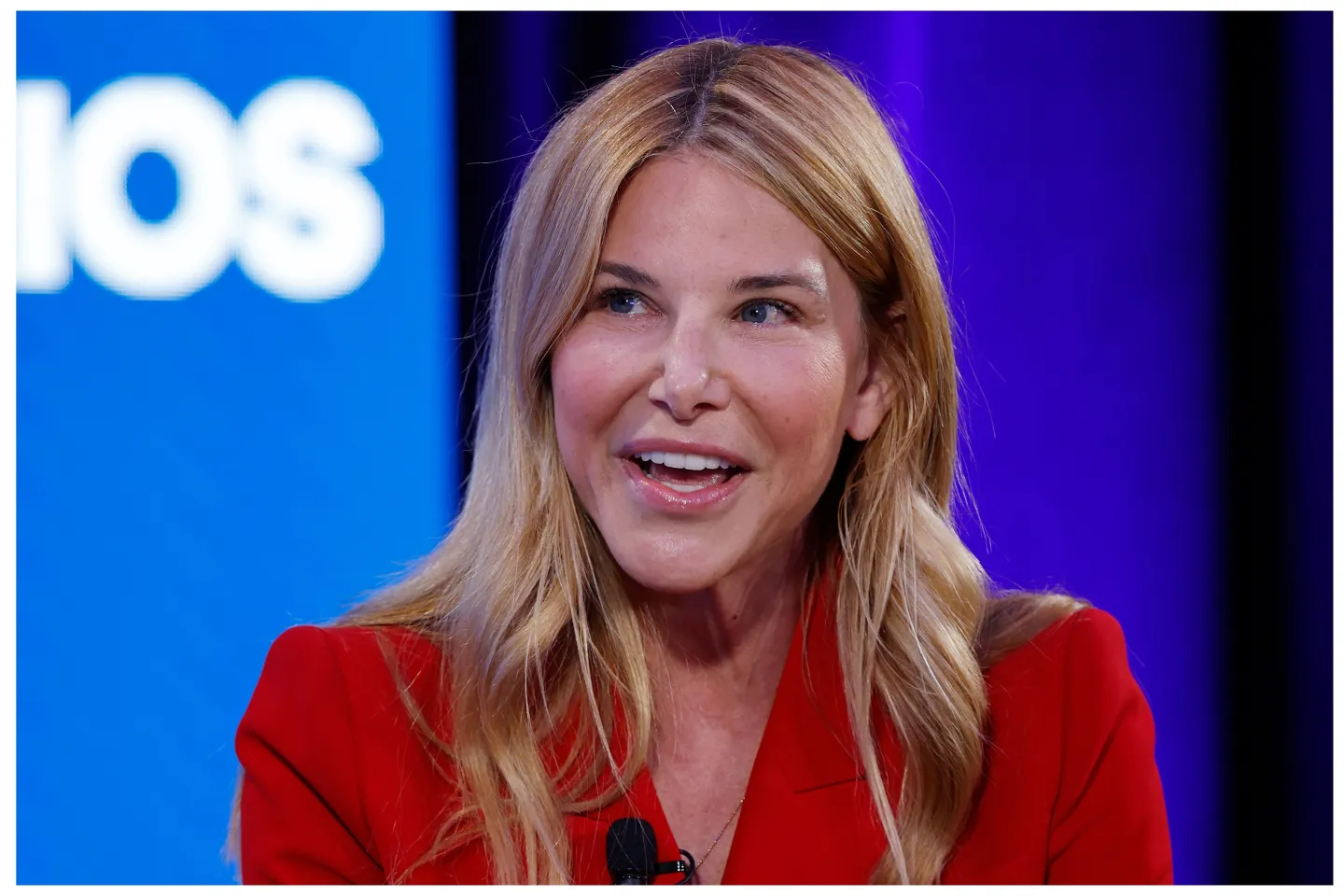
In a strategic move signaling its aggressive pivot toward enterprise dominance, OpenAI announced today the appointment of Denise Dresser as its inaugural Chief Revenue Officer (CRO). Dresser, who has served as CEO of Slack since November 2023, brings over a decade of experience in scaling enterprise software platforms, particularly through her long tenure at Salesforce. This hire comes as OpenAI seeks to capitalize on the explosive growth of its AI tools, including ChatGPT, which now boast over 1 million paying business customers worldwide.
The announcement, detailed in an official blog post on OpenAI’s website, highlights Dresser’s role in leading global revenue strategy, enterprise sales, and customer success initiatives. She will report directly to OpenAI’s Chief Operating Officer, Brad Lightcap, and is set to start next week. OpenAI executives, including Fidji Simo, emphasized Dresser’s proven track record in integrating AI into workplace tools, noting her ability to make advanced technology “useful, reliable, and accessible for businesses.”
Denise Dresser’s Professional Journey: From Sales Leader to AI Pioneer
Denise Dresser is no stranger to transforming nascent technologies into enterprise staples. A graduate of the University of Massachusetts Amherst, she began her career in sales leadership at Oracle, where she honed her skills in managing large-scale customer accounts and driving revenue growth. Her expertise caught the eye of Salesforce, where she spent more than 14 years in progressively senior roles, including President of Accelerated Industries Sales. There, she focused on go-to-market strategies for cloud solutions, serving complex global enterprises and helping integrate acquisitions seamlessly.
In 2021, following Salesforce’s $27.7 billion acquisition of Slack, Dresser played a pivotal role in the platform’s evolution. Appointed CEO in November 2023, she oversaw the integration of AI features into Slack, such as AI-generated meeting summaries, conversational search, and integrations with models from OpenAI itself, Anthropic, and Cohere. Under her leadership, Slack positioned itself as an AI-enhanced collaboration hub, emphasizing how generative AI could streamline workflows and boost productivity. For instance, she championed features that allowed users to query Slack channels for insights, automate routine tasks, and enhance customer interactions—mirroring the very capabilities OpenAI aims to scale.
Dresser’s passion for mentorship and diversity in tech is also noteworthy. She has been an advocate for women in leadership, often speaking on panels about building inclusive teams and leveraging AI ethically. Her departure from Slack marks the end of a transformative chapter, with Salesforce expected to announce her successor soon.
Why This Hire Signals a New Era for OpenAI
OpenAI’s creation of the CRO position underscores its maturation from a research-oriented nonprofit to a profit-driven powerhouse. Founded in 2015, the company has seen meteoric growth since launching ChatGPT in late 2022, but it now faces intense competition from rivals like Anthropic, Google, and Microsoft (a key investor). With reported plans for $1.4 trillion in infrastructure spending to support AI scaling, OpenAI is under pressure to monetize effectively.
Dresser’s expertise aligns perfectly with this challenge. At Slack, she drove enterprise adoption by focusing on real-world AI applications, such as reducing employee time on mundane tasks by up to 10 hours per week for heavy users. OpenAI’s tools have similarly demonstrated impact: surveys show 75% of workers report improved speed and quality in tasks, with businesses like Walmart, Morgan Stanley, and Target using ChatGPT for customer service, data analysis, and internal operations.
In her new role, Dresser will spearhead two key pillars: ChatGPT for Work, which facilitates team-wide deployment, and API integrations for deeper enterprise embedding. This could accelerate OpenAI’s shift toward becoming an indispensable platform, much like Slack became for collaboration. As Dresser stated in the announcement, “I’ve spent my career helping scale category-defining platforms… I’m looking forward to bringing that experience to OpenAI.”
Industry Reactions and Broader Implications
The news has sparked immediate buzz across tech circles. On X (formerly Twitter), executives and analysts praised the hire as a “major move” for OpenAI’s enterprise ambitions. One post from a trading analyst noted, “This is OpenAI gearing up for its next phase: turning breakthrough technology into a global enterprise platform before rivals catch up.” Another highlighted her 14 years at Salesforce, calling it a “strategic transfer” to bolster commercial growth.
Broader implications extend to the AI race. As enterprises increasingly adopt AI— with 75% of users reporting new task capabilities—OpenAI’s focus on revenue signals a maturing market. However, challenges remain, including ethical AI deployment, data privacy, and competition. Slack, meanwhile, faces a leadership transition at a time when AI integration is critical for its future.
This appointment not only strengthens OpenAI’s commercial arm but also underscores the blurring lines between collaboration tools and AI platforms. As Dresser steps into this role, the tech world watches closely to see how she will propel OpenAI toward sustained profitability and innovation.