
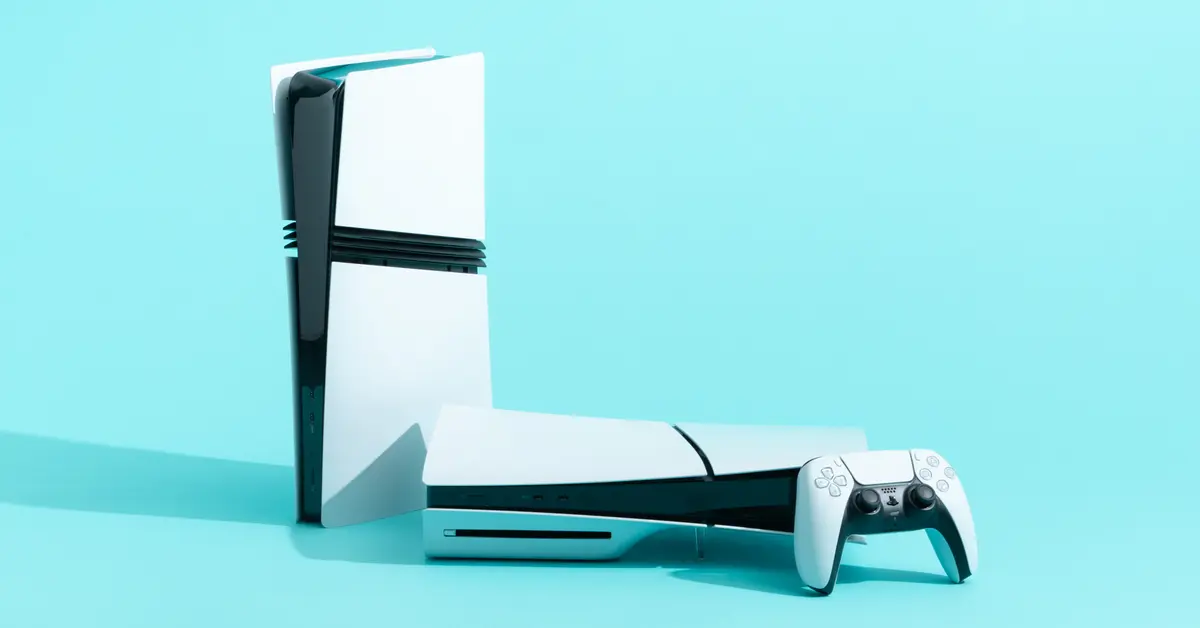
Hey gamers, if you’ve been eagerly counting down the days until the next big PlayStation console, you might want to settle in for a longer wait. Recent reports from industry insiders and major players suggest the PlayStation 6 (PS6) could slip from a expected late 2027 window all the way to 2028 or potentially 2029.
Don’t panic just yet – this isn’t an official announcement from Sony. But the signals are coming from credible sources, and they all point to one big culprit: a global shortage of memory chips fueled by the insatiable hunger of AI data centers.
Why the Potential PS6 Delay?
The story broke earlier this year when Bloomberg reported that Sony is rethinking its timeline because of skyrocketing costs and limited supply of key components like DRAM and other memory chips. AI giants are snapping up massive amounts of this tech for their data centers, driving prices up dramatically – in some cases by 75% or more in short periods.
This isn’t just speculation. In its latest annual report, gaming publisher Embracer Group echoed the concerns, noting that analysts now expect Sony might push the PS6 launch to 2028, with 2029 as a possible worst-case scenario. Higher RAM costs could also impact pricing and overall market growth.
Sony’s own leadership has been candid about the uncertainty. During recent earnings discussions, executives like President Hiroki Totoki have said they haven’t locked in a launch date or price for the next console yet. They’re closely watching the memory supply situation, which is expected to stay challenging well into the future.
For context, Sony has traditionally stuck to roughly seven-year console cycles. The PS5 launched in late 2020, so a 2027 release would have felt right on schedule. But with the PS5 (and PS5 Pro) still going strong, Sony has the luxury of being flexible.
The PS5 Is Thriving – And That’s Great News
Here’s the silver lining: the PS5 generation is one of Sony’s most successful ever. It has smashed sales records, delivered incredible exclusives, and continues to see strong software sales even years after launch. Analysts like David Gibson from MST Financial have highlighted a “high likelihood” that the PS6 will arrive after 2028 because Sony wants to maximize the current generation’s lifecycle.
In plain terms, Sony isn’t in a rush. The PS5 Pro refresh has kept hardware excitement alive, and big upcoming titles will keep players engaged. Many see this as smart business – why rush a new console if the current one is still printing money and delighting fans?
What Could This Mean for You?
More time with your PS5. Expect continued support with major first-party games, live-service updates, and backward compatibility features that make your current library even more valuable.
Potential price implications. If memory costs remain high when the PS6 finally launches, we could see a more expensive console at debut – unless Sony subsidizes it or finds ways to optimize. Historically, PlayStation has tried to keep entry prices reasonable, but the industry-wide chip crunch makes that trickier.
Industry ripple effects. Nintendo is reportedly facing similar pressures with the Switch 2, possibly leading to price adjustments there too. The whole console landscape is being shaped by AI’s massive appetite for hardware.
Of course, rumors like this can evolve quickly. Supply chains might improve faster than expected, or Sony could adjust its plans with new manufacturing partnerships. Until we hear directly from PlayStation, everything remains speculative.
Looking Ahead: The Future of PlayStation
Whenever the PS6 does arrive, expectations are sky-high. We’re likely talking massive leaps in graphics, AI-enhanced gameplay, faster load times, and deeper integration with Sony’s ecosystem (think seamless cloud features and enhanced controller tech).
But in the meantime, the extended PS5 era gives developers more time to create ambitious, next-level experiences that truly show off what the hardware can do. Games like the upcoming Grand Theft Auto VI (hitting PS5 soon) prove there’s still plenty of life left in current-gen titles.
For fans, this delay isn’t necessarily bad news. It means more polished exclusives, potentially better value on PS5 hardware and games right now, and a next-gen leap that feels truly worth the upgrade when it finally lands.